



Opinion: Everyone's talking about ... Talent
In an era of skills shortages, the challenge of attracting and retaining talent is greater than ever before, as Vicky Kiernander reports



Recent CIMSPA research in the UK shows the most common skills lacking in candidates in the last 12 months, such as interpersonal skills, communication, customer service and leadership, are precisely the ones operators say they need most to futureproof their businesses and these findings seem to resonate globally.
It’s no surprise then, that some operators cite the qualifications and skillsets of applicants as the biggest challenge when it comes to recruiting. This is followed by salary expectations and internal budget restraints.
When it comes to retaining talent, operators say career progression, salary and working patterns/flexibility are the most significant barriers when it comes to holding onto employees.
So, what steps are operators taking to attract and retain the talent they need? How are they upskilling employees and what are they doing to enable staff to feel happy, valued and motivated to stay? We asked the experts…
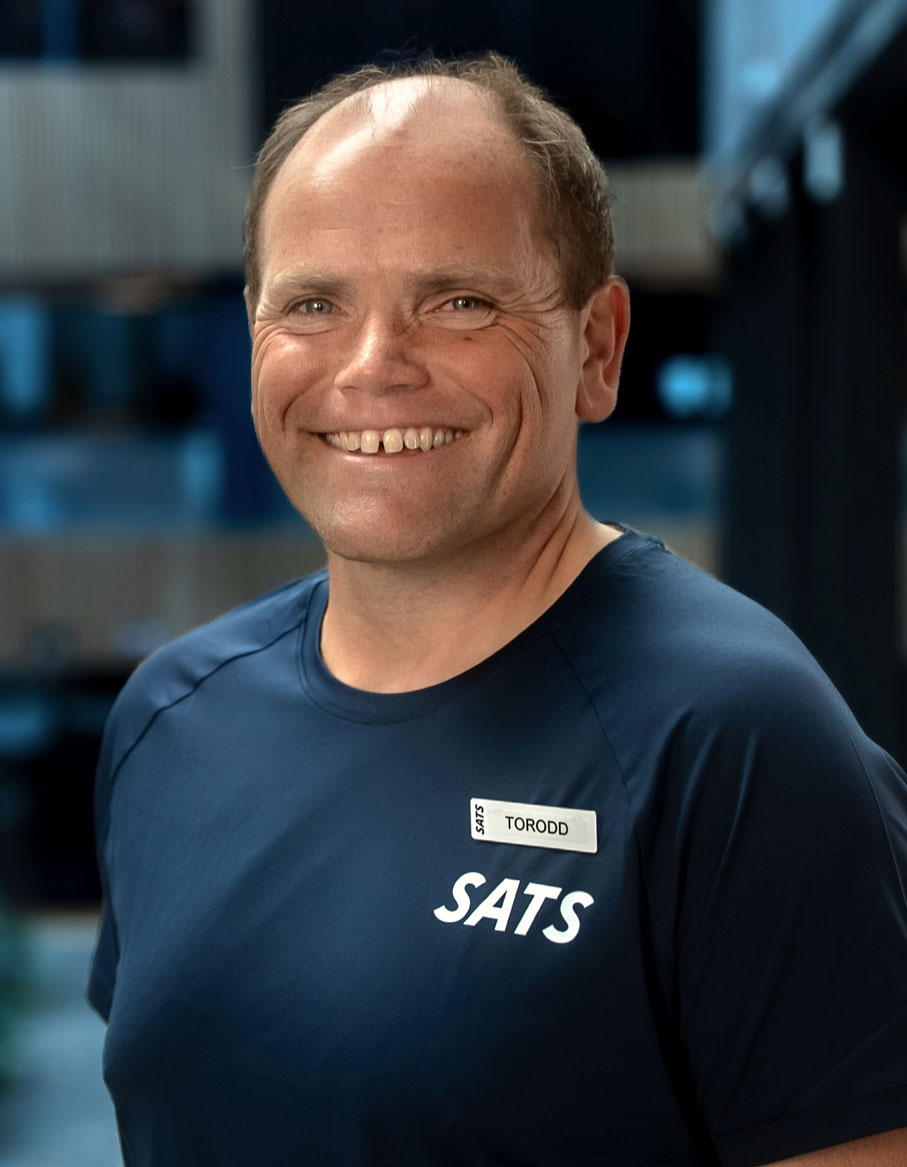
As the largest fitness player in the Nordics, our success is driven by our employees. Our team of 10,079 dedicated staff work every day to enable people to be healthier and happier.
It’s our ambition to be the fitness industry’s preferred employer and we’ve created an environment where our employees can thrive and build sustainable careers. Most of our leaders have developed their careers within the business, which is testament to the opportunities we provide. We also collaborate with fitness education institutions, offer internships and provide placements to attract new talent. With a high volume of applicants for our roles, we select only those candidates with passion and ambition to grow with us.
We believe investing in employees is essential for delivering outstanding member experiences, ensuring high standards of quality and fostering a great workplace culture. The SATS Academy (formerly known as SATS School) has been running for 30 years and is something we’re truly proud of. It has expanded and professionalised over the years and today offers more than 110 courses and programmes, including one of the Nordic region’s most comprehensive training programmes for instructors. All of our courses are free for employees.
In addition to investing in training, we have established career pathways from instructor to management positions and encourage internal mobility across departments and countries. This is what makes it possible to build a long-term career with SATS. We offer a wide range of careers both operationally in our clubs and in our service office, so whether someone is looking to work in finance, as a data engineer or a physiotherapist, we have opportunities. Of all the roles we offer, personal trainers remain the highest in demand and are one of the most sought-after roles across the Nordics.
In an industry that is often criticised for its poor pay and perks, we’re proud to offer our employees competitive salaries and pension contributions, as well as free membership at all our clubs across the Nordics.
But attracting and retaining talent goes beyond this. We work hard to build a positive workplace culture and a strong sense of community with substantial investment in regular team activities and employee programmes. For example, we invite all employees in all four countries to the SATS Festival, which is a fantastic event featuring fitness, inspiration, supplier fairs, professional development and social activities.
As we celebrate 30 years of success with record results, we recognise that – like fitness itself – people and workplace culture require constant development.
Improving public health is one of the greatest challenges of our time. The fitness industry has a vital role to play, but only if we can attract the best hearts and minds; skilled professionals with a genuine passion for making a difference. With our ongoing growth and expansion, we’re always looking for new talent to join us on this mission.


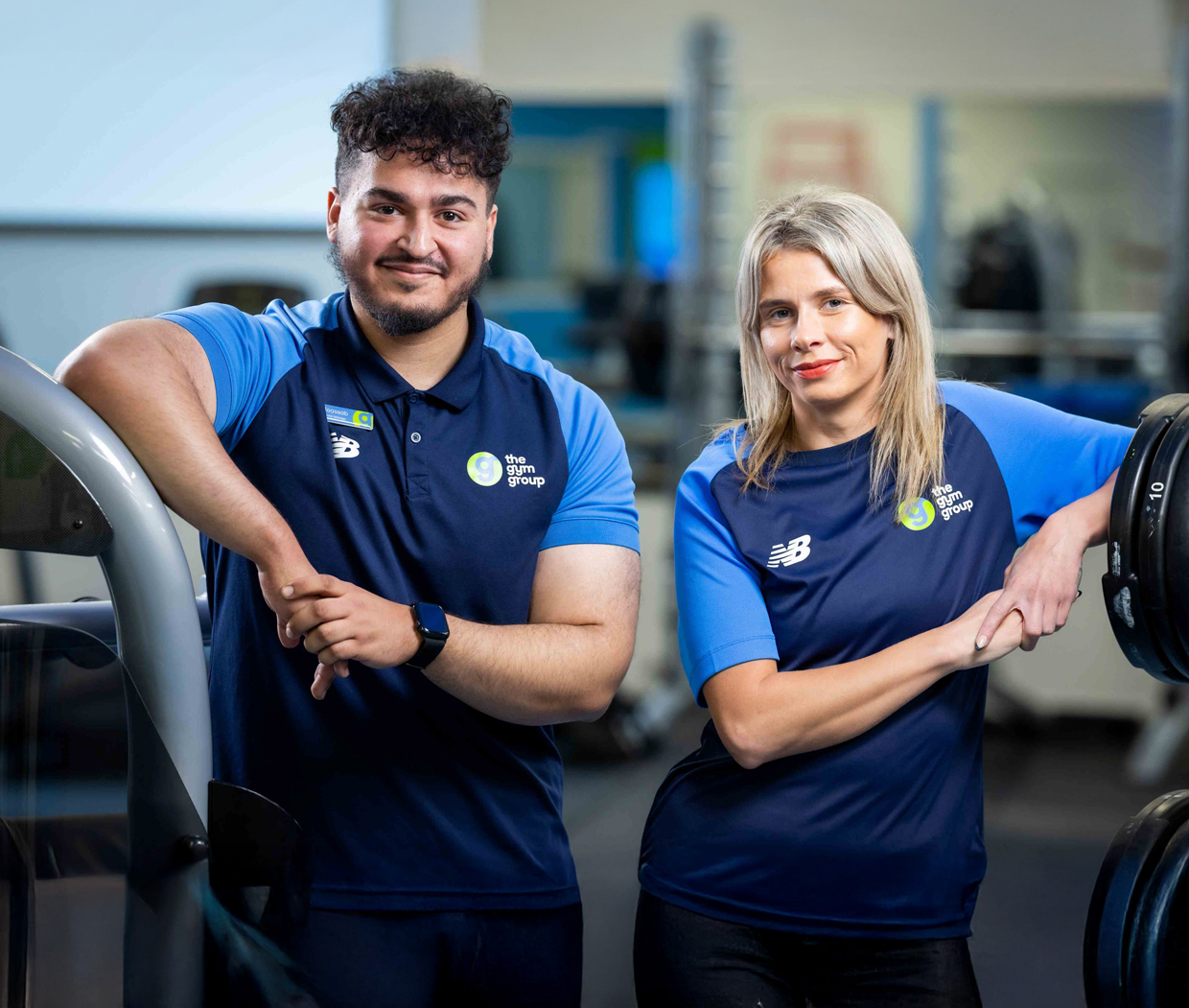
Our mission is to break down barriers to fitness with affordable, flexible, 24/7 gym memberships, and we apply this same approach to breaking down barriers to careers in fitness. We’ve launched two recruitment schemes in recent years to bring more people into the sector, as we expand nationwide.
The Gym Group Academy launched in 2024 to create more expert talent in the industry, offering flexible courses with CIMSPA endorsed training providers that can fit alongside family life or full-time work.
With self-paced learning, the programme can be completed in as little as eight weeks and has attracted a range of applicants, from those wanting to make their passion for fitness a career, to those wanting more flexibility from their work.
The Gym Group Academy’s PT Mentor scheme gives candidates access to one-on-one support from an experienced PT who can help with the practical aspects of the course at their local gym, giving them the opportunity to ask questions and setting them up for success.
We’re currently the only personal training course to adopt this approach and have received great feedback.
After course completion, we support people with employment opportunities and applying for vacancies within The Gym Group, so we’re not just helping people to qualify, we’re supporting people to kickstart a career.
The Gym Group Academy has been incredibly well-received, with nearly 4,000 enquiries and over 250 members already committed to undertaking their Level 2 or Level 3 qualification. We’re aiming to support 500 people to become PT Level 3-qualified by 2027. To date, 45 people from the programme have been recruited as personal trainers to work in our gyms.
The second recruitment programme is Accelerate PT, which launched in May 2023, in partnership with the UK government’s Department for Work and Pensions.
Accelerate PT is a fully-funded initiative aimed at applicants who are unemployed or seeking a career change. We work with Job Centres around the UK offering a pathway to becoming a qualified Active IQ Level 3 Personal Trainer.
Recognised as one of the first schemes of its kind to unlock access to previously untapped talent in the fitness sector, 230 people have completed the programme with 80 per cent qualifying to a Level 3 standard and 60 per cent converting to permanent fitness trainer roles in our gyms.
In 2024 we were proud to be selected as one of The Sunday Times’ Best Places to Work, scoring highly on diversity and inclusion, wellbeing and job satisfaction. This recognises the great work of our teams and demonstrates how valued and engaged they feel. As a people-focused business, we invest in personal development, welcoming work environments, career pathways and benefits programmes.
Everything we do is aimed at ensuring that The Gym Group is a great place to work and we’re committed to driving retention and performance of our teams. It’s really important for organisations to raise the profile of the great careers available in our industry; the personal trainers of today could be the leaders of the future.


We’re all experiencing how recruitment pressures are intensifying across the sector. Fewer candidates in the market, rising expectations around flexibility and pay and those persistent skills shortages. The challenge is building a team that’s not only resilient, but also ready for the next asks from customers, policymakers and beyond.
Instead of constantly chasing external talent, I think it’s imperative that we focus our energy where it can make the biggest impact and that’s on the people we already have.
Developing your existing team through meaningful career progression and specialist skills development isn’t just good practice, it’s strategically necessary. Whether it’s enabling instructors to support specialist populations, helping coaches move into leadership roles, or building operational expertise in programme design and delivery, career progression offers a sustainable route to meeting not only current, but also future workforce needs.
The cost difference is stark. While replacing a team member can set an organisation back thousands in recruitment costs and lost productivity, investing in a recognised and accredited training and qualifications typically costs a few hundred pounds – a fraction of the cost. For that investment, you don’t just gain skills, you build confidence, motivation and long-term loyalty. Plus you get to retain high-value knowledge of your business and your customers.
Supporting people to gain and grow their professional status sends a powerful message. It demonstrates the value of skills and professional standards. It tells customers that the professional they are working with meets verified benchmarks. And it tells prospective recruits into the sector that they are taking on more than just a job, they have a future here.
Career progression also boosts culture. Teams feel more invested in when they know their employer cares about where they’re heading. The result? Greater engagement, lower turnover and improved performance.
When we invest in career development and create progression pathways, we don’t just fill a vacancy. We strengthen our brand as a professional sector to work in giving us a long-term advantage in a tight labour market. This isn’t about spending more on training, it’s about spending smarter to build a stronger, more sustainable workforce for the future of our sector.
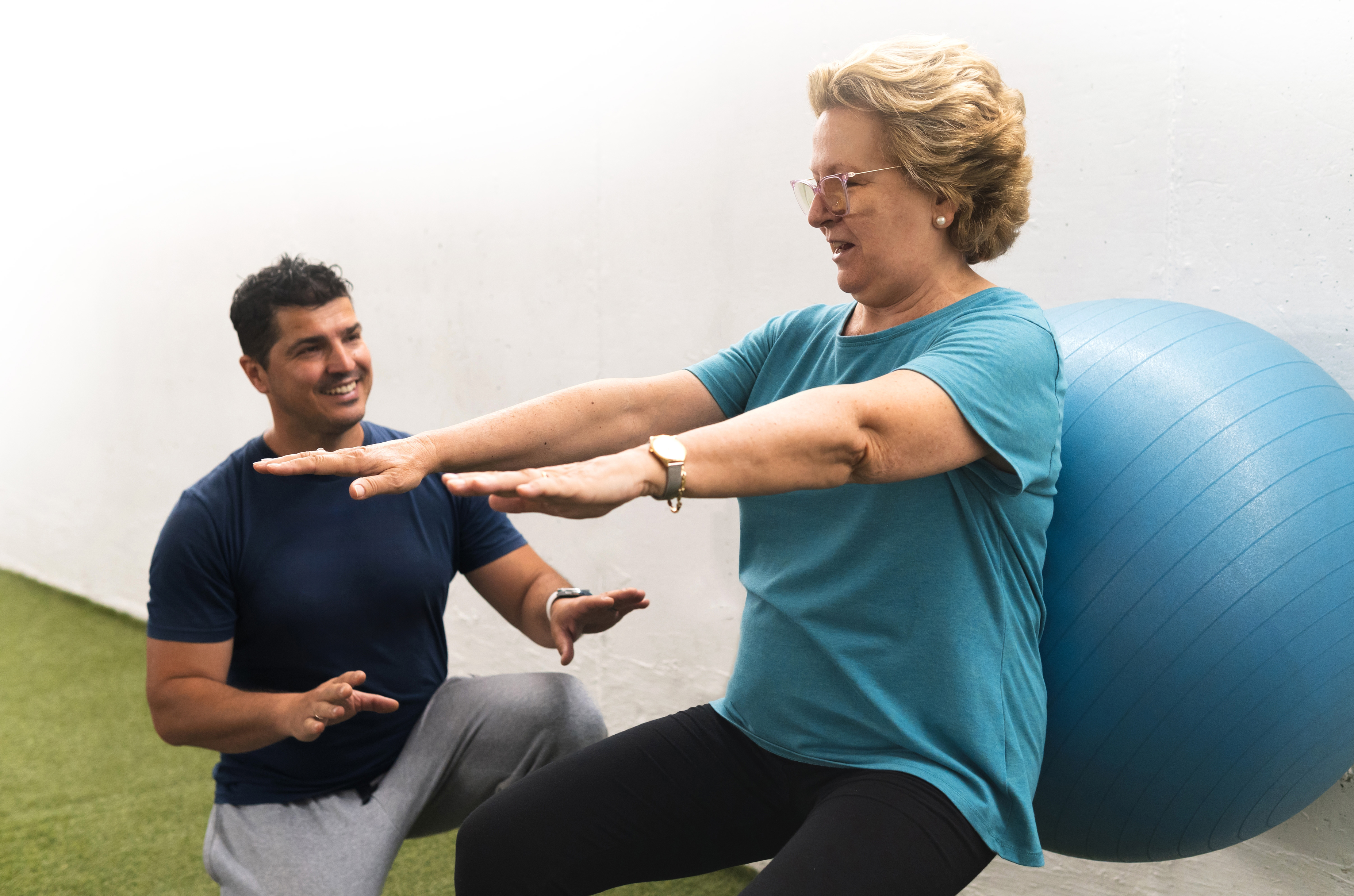
Progression shouldn’t be seen as linear. It’s not only about stepping up, it’s about deepening expertise. By supporting staff to specialise, to become experts in areas such as health referral programmes, inclusive delivery, youth engagement, etc, you develop capability that’s harder to find in the open market and more valuable to an organisation over time.
This is what’s at the heart of the UK sector’s new Careers Hub which offers professionals and employers a one-stop-shop to understanding career development pathways and how those skills gaps can be filled.
Find out more: https://careers.cimspa.co.uk
Soon, the sector in the UK will also have a new tool to support this journey – professional status.
This recognition framework, launching soon, will enable professionals to have their experience and skills formally verifiable for customers, employers and deployers. For employers, it means being able to identify and build professional capacity with greater clarity. For professionals, it offers a clear, credible pathway to career development, from entry-level roles to advanced specialisms and leadership positions.
Find out more: www.hcmmag.com/prostatus

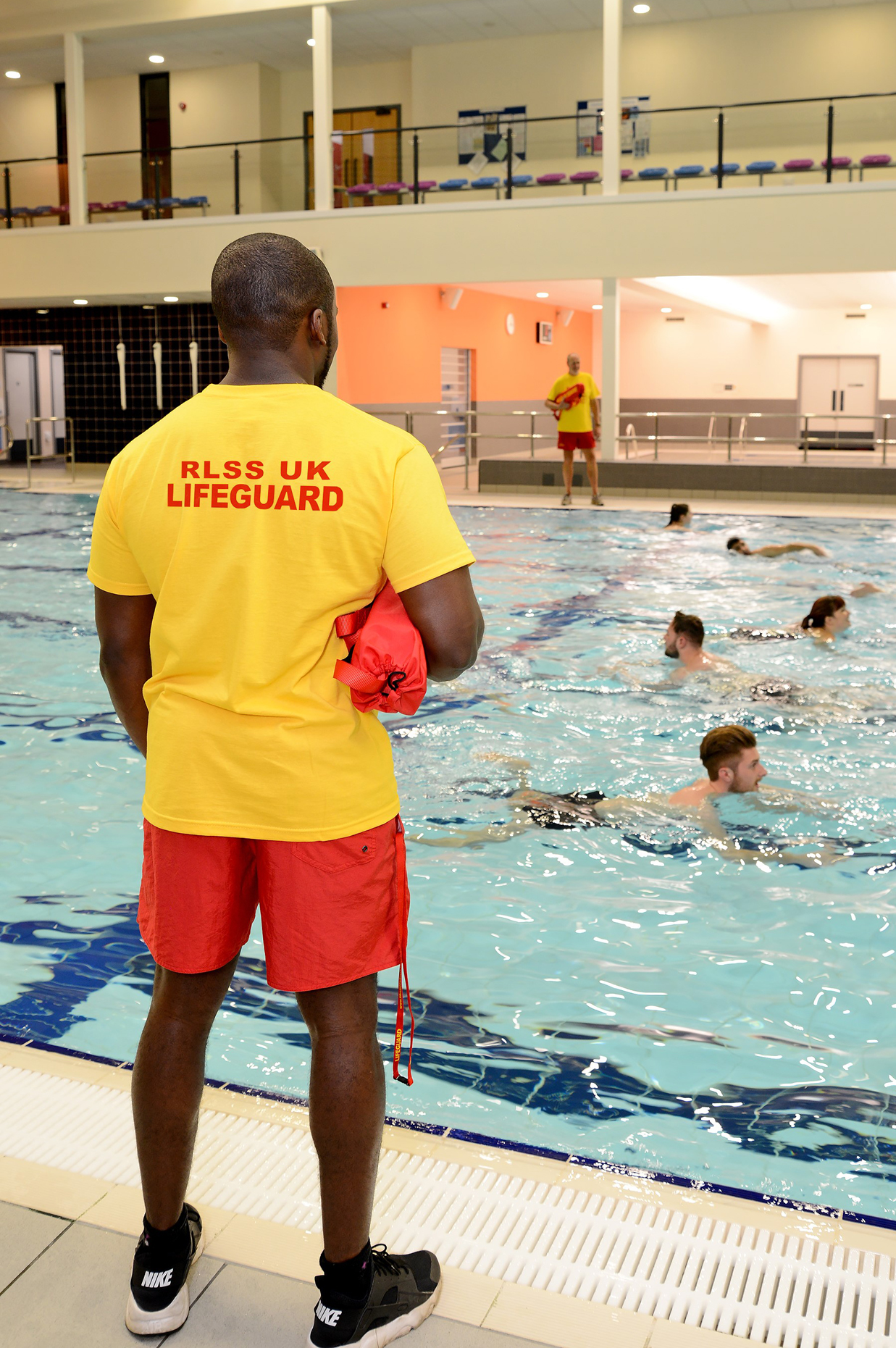
High staff turnover remains one of the industry’s most pressing challenges. The problem is particularly acute for lifeguards, who typically stay in their role for two to three years, creating a continual recruitment and training cycle. This takes up significant time and resources and increases costs, placing added pressure on operators and the wider sector.
To support the industry, we’ve partnered with Future Fit, a training provider for health, fitness, and wellbeing professionals in the UK, to improve workforce retention. Together, we aim to create clear career development opportunities that encourage lifeguards to stay in the industry and progress to other roles, rather than leaving the sector to seek opportunities elsewhere.
Many young people take up lifeguarding as a part-time job while studying at school, college or university and then leave when their education has finished. RLSS UK qualifies more than 40,000 lifeguards a year, but many only keep the qualification for up to four years, indicating that they move out of the role and in many cases, out of the sector.
We believe too many lifeguards are leaving because they don’t realise the variety of long-term roles available beyond lifeguarding, such as in fitness, wellbeing and management. Yet, many of today’s industry managers and leaders started out as lifeguards and have gone on to build long and successful careers in leisure. (check out #IStarted AsALifeguard and www.rlss.org.uk/istartedasalifeguard).
From fitness and aquatics to customer service or sales, our sector offers an incredible range of career pathways. Through our partnership with Future Fit, we aim to help lifeguards gain new qualifications, develop valuable skills and take their next steps in the sector.
Any RLSS UK qualified lifeguard can access discounts on Future Fit training courses, giving them an opportunity to gain qualifications that could lead to roles as fitness instructors or personal trainers. This could be the difference between a lifeguard leaving the sector, remaining employed, and carving a meaningful, multi-disciplinary career.
This initiative will open the doors to wider opportunities for lifeguards, encouraging them to build long-term careers in the industry.

Membership Advisor
Customer Service Advisor
GP Exercise Referral Instructor
Swim Manager
Food and Beverage Manager
Activity and Wellbeing Coordinator
Team Leader
Duty Manager
Membership Advisor


Swim Teacher
Food & Beverage Assistant




Company profile
Directory
Featured Supplier
Property & Tenders
Company: Lee Valley Regional Park Authority
Company: Newmark
Company: EiA Real Estate
Company: Savills
Company: University of Oxford