

Girls allowed
Disengagement from sport and exercise is much higher among girls than boys. The key dropout points are starting and then leaving secondary school. What more can the industry do to keep females active or encourage them to start participating?


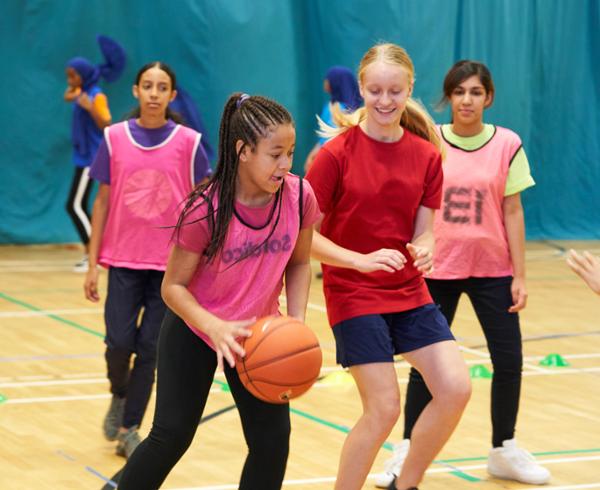
According to research by the Women’s Sport Foundation, this generation of teenage girls is experiencing worrying mental health issues and report lacking confidence about their appearance. Girls are far less likely to take part in team sport than boys and are more prone to losing their love of exercise. The pandemic has amplified these issues, leading to adolescent girls giving up exercise in droves.
Reframing Sport for Teenage Girls questioned 4,000 adolescents aged between 11 and 18. It identified a participation dip post-primary and then again at 17/18, once school sport is no longer compulsory.
Thirty five per cent of girls say they are very regularly active, compared with 54 per cent of boys, while 16 per cent avoid exercise, compared with 9 per cent of boys.
Although 93 per cent of girls understand the benefits of exercise, they experience a disconnect between desire and enjoyment. Only 47 per cent find it easy to motivate themselves and just 27 per cent enjoy it, compared with 44 per cent of boys.
There are numerous complex barriers which influence girls’ participation and enjoyment, including body image and the fear of being judged. The 43 per cent who used to consider themselves sporty could potentially be re-engaged, but understanding the barriers is key to providing more targeted and effective solutions.
Participation barriers
Common reasons for drop out include feeling self-conscious about being watched, feeling judged and not feeling good enough. Some said they don’t like getting hot and sweaty, that there is nothing they want to do, they don’t belong, don’t have the right body shape, or are too busy with schoolwork.
Puberty has a major impact on girls, with even the sporty ones needing more support. It can affect self-belief, capability and body image concerns. Seventy per cent said they avoid being active when menstruating because of pain, fear of leakage, tiredness or self-consciousness.
The research also showed father figures could play a powerful role in getting their daughters active. Evidence shows boys get more support from their dads: 50 per cent, compared with 31 per cent for girls.
The report says options to take part at the right level are important: “Girls lack the opportunities to play sport unless they are really good and therefore feel a sense of failure in a competitive environment where they will never thrive. It loses the fun factor.”
Girls will engage in competition in the right context, but mostly they want a wider variety of fun, exciting and accessible opportunities.
How to support them
Telling girls to be active is not going to change behaviour – they already know exercise is good for them – they need to be inspired with innovative offers to get active with friends and family.
There needs to be a wider range of positive experiences, in and out of school, which are free from judgment, which focus on fun, enjoyment and building confidence in them and their abilities.
It is also important to identify and target girls with interventions before they reach their teens and around the key dropout times of starting and leaving secondary school. Key influencers, including their dads, should be leveraged from an early age, to encourage and support them.
Some girls reported that sport and exercise became too rigid and less enjoyable, so the opportunities need to grow with them and there should be opportunities to participate, even if they’re not good enough to make a team.
There also needs to be more practical and emotional support to help them stay active during puberty and to reinforce body confidence, as well as sustain their interest through progression and new skills.
Women in Sport has developed eight principles to minimise barriers to participation, to take the pressure off performance and put the onus on playing. Make activity exciting by creating a sense of adventure. Reframe achievements to be about moments of pride, rather than winning, so each session gives an emotional reward. Redefine sport as more than school sport. Tap into existing behaviours in other spheres. Give the girls a voice and choice. Champion what’s in it for them and create relatable and inspiring role models.
The 51 per cent
UK Active has worked in partnership with Sport England’s This Girl Can to create a guide to give health clubs, gyms and leisure centres in the UK insights into how to attract more women and girls and to encourage them to get physically active.
How to improve your services for women and girls, as told by the 51% has been designed to provide tangible solutions to bring down the barriers experienced by many females.
It highlights the importance of increasing awareness of the overall health benefits of being active for a female audience and offers advice on robust policies to tackle personal safety fears.
The guide includes case studies from both public and private operators outlining successful strategies to improve services for women and girls, including staff training, flexible programming and the introduction of specialist equipment.
Cost and safety
The guide also highlights the biggest concerns which prevent women and girls from visiting health clubs and leisure centres. These include fear of judgement, the cost, worries about personal safety, knowledge about using equipment and images of women used in marketing materials which are unrelatable and make women feel negative about themselves.
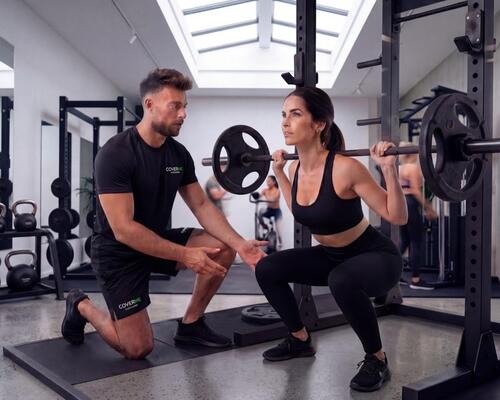
Forty five per cent of women say a member of staff showing them how to perform exercises/activities and use equipment would encourage them to participate in more activity within fitness and leisure centres.
Cost is most often identified as a barrier to participation: 32 per cent of respondents who have attended a fitness and leisure centre in the past three years say it is too expensive.
Thirteen per cent of women say they worry about the risk or threat of sexual harassment, intimidation or embarrassment at health clubs.
Huw Edwards, CEO of UK Active, says there’s a huge opportunity for the sector to engage many more females: “Reducing the barriers to female participation is a fundamental challenge for our sector, with our research showing clear demand from more women and girls to be able to enjoy these facilities,” he says. “We believe this practical guide will be a crucial tool to help improve services for women and girls.”
Rebecca Passmore, MD of Pure Gym, says it’s really important for women to feel safe, empowered and a sense of belonging at gyms: “Through the work done by UK Active and Sport England we now have a clearer picture of women’s concerns about exercising at the gym, which is vital in our ability to start breaking down the barriers.
“At Pure Gym we are already working hard to address these challenges, but seeing as these are industry-wide issues, we need an industry-wide response to make a real difference.
“The launch of this guide will aid our collective efforts to make facilities more inclusive and welcoming environments, and to empower women to start their health and fitness journeys.”
32% lacked motivation
27% too busy with schoolwork
25% no longer found it important
24% found it got too competitive
23% lacked opportunities to take part
48% would take part if their friends did
47% would take part if it was more fun/exciting/adventurous
36% if it was less serious/competitive
27% if they saw more who look like them
23% if they could fit it more easily into their lives
21% if it was easier to find options nearby
19% if there were more opportunities outside of school