

Leekyung Han
The culture of public bathing runs deep in South Korea’s DNA


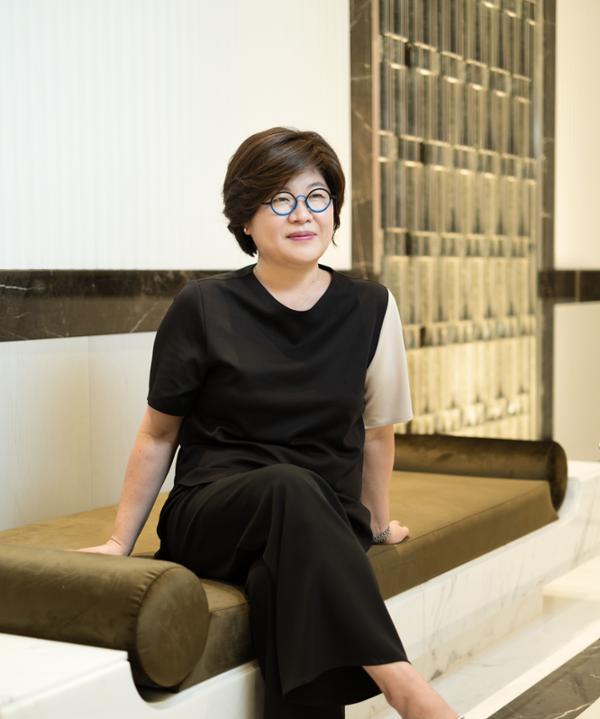
Although K-Pop and K-Beauty have hit the mainstream, much of Korean culture is still under-represented, including Korean wellness, says native Leekyung Han who specialises in hospitality real estate and development projects.
As founder and managing director of Seoul-based Polaris Advisor, she’s worked across the globe and was instrumental in realising China’s iconic wellness community Sangha by Octave Living. Han also has a bachelor’s and two master’s degrees in architecture and real estate development from the US.
Having been born and raised in South Korea, she passionately believes the peninsula is the next up-and-coming destination for wellness investors and operators.
She spoke with Spa Business to shed light on the market and why her home country has so much potential to take off as an exciting new destination for spas.
Untapped potential
“Wellness has existed in Korea for more than 5,000 years,” Han explains. “With a strong influence from shamanism, it’s typically known as traditional Korean medicine (TKM) and is similar to traditional Chinese medicine.”
She believes South Korea is ready for wellness development and investment because of its distinctive natural attributes and traditions that lend themselves to the creation of innovative wellness customer journeys.
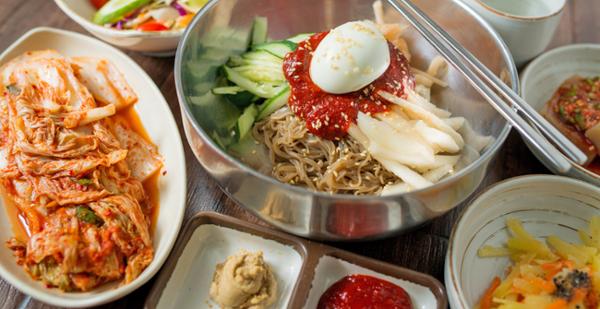
In addition to TKM, significant draws include an abundance of natural hot springs, salt farms, a history of healthy cuisine and a high concentration of sacred sites claimed to possess natural healing powers and a strong presence of chi energy.
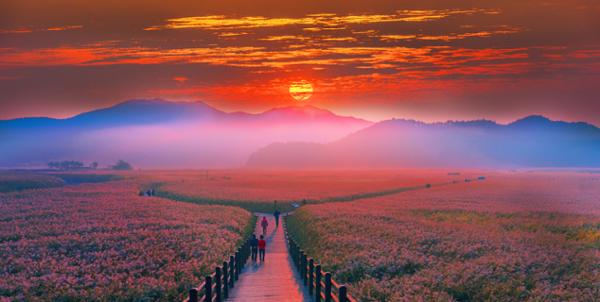
“South Korea has many beautiful myths associated with the landscape and is known as a country with great chi. This lays an excellent foundation for brand storytelling which can be translated into every detail of a retreat.
“Creating a sense of place can lead to a much more impactful experience because it’s clear guests are being immersed in a healing landscape as soon as they arrive,” she says.
Social soaking
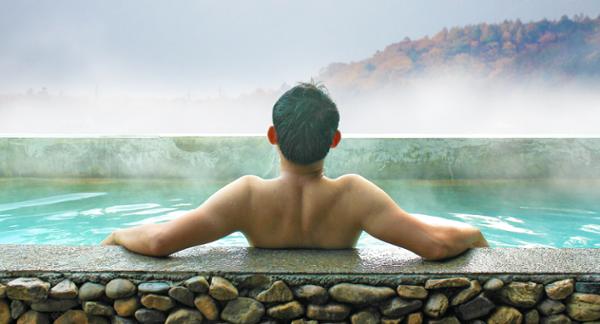
The country’s culture of public bathing already runs deep in its DNA.
In the mid-20th century, bathhouses were extremely popular and could be found in most neighbourhoods, used as a social space for people to relax together.
“In the early 90s, this public bath concept was transformed into a new form called jjimjilbang,” says Han. “This introduced a range of saunas with varying temperatures, as well as sleeping areas and F&B outlets. Part of the facilities also became segregated by sex.”
A well-known modern-day example is Spa Land Centum City in Busan located in a department store. Here, guests have access to an impressive 18 thermal and wet experiences including hot springs, saunas, an outdoor foot spa, a host of relaxation rooms, food outlets and more. Each of Spa Land’s pools is fed by two hot springs found 100m underground.
On that note, Han labels hot springs centres as another major wellness activity loved by South Koreans. These facilities typically also offer spacious communal areas for people to sleep and rest on a heated floor after bathing.
Who and what?
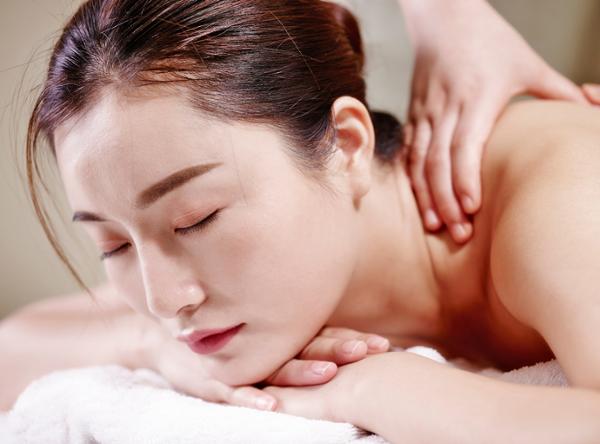
In terms of demographics, there’s a healthy spread of interest in wellness across South Korean age groups, she explains. When jjimjilbangs first launched, seniors formed the majority of the customer base but young people are now flocking to facilities and are particularly fond of the western spa model which mainly offers massages. Han says that in Seoul, getting a massage in a good spa requires booking at least a couple of weeks in advance as demand is so high.
Han adds that on top of this “South Koreans tend to gravitate towards wellness offerings backed by medicine, whether this is TKM or western medicine. However, acupuncture, cupping and boyak (a customised herb medicine to balance energy) are also very popular activities.” Clinics providing these services are easily found in urban areas so workers can get treatments during work breaks.
Sound healing, yoga, IV therapy, ayurveda and immunity-focused experiences, in particular involving crystals, are also favourites.
Investor interest
Most wellness investment is funded by domestic companies to create more jjimjilbangs and hotel spas in urban areas, but Han feels there’s a growing demand for rural retreats as people look to de-stress further afield from their busy daily lives.
“If investors branch into more rural areas, the development costs will be lower in comparison to city space and ROI could be just as good.
“The most important thing for the South Korean wellness market to take off is a change in mindset,” she says. “Developers need to break away from their comfort zone and look at the country’s natural assets to harness its full potential as a wellness destination.
“Furthermore, if the country can blend its beautiful traditional healing rituals with its natural healing assets, it will attract both domestic and international tourists by offering distinctively Korean wellness experiences that can only be felt authentically in the country.”
South Korea’s international tourist base is mainly made up of visitors from China, followed by Japan and the USA, she says.
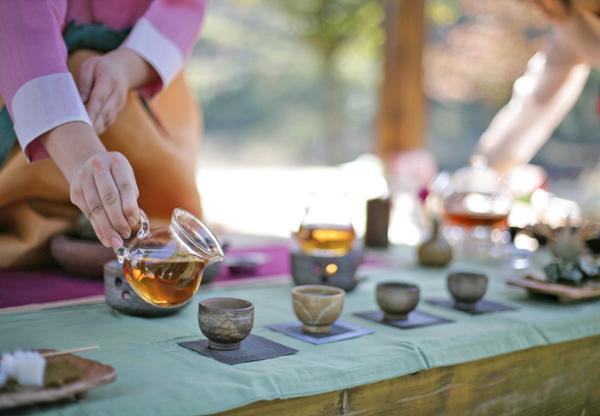
“Investors should focus on creating a destination wellness offering which offers the usual aspects of wellness programming but also provides something that can only be found or experienced in South Korea. For example, a full-moon meditation and halotherapy ritual on a salt farm, body scrub rituals at jjimjilbangs, a customised TKM tea ceremony or a culinary experience of Korean Buddhist food.
“These unique offerings will attract adventurous travellers who are curious about Korean wellness. If there’s a buzz from domestic consumers, this will then catch the attention of the international market too.”


Sports Coach
Sports Coach
Swim Teacher
Party Leader
Group Exercise Instructor - Aqua
Membership Advisor
Swim Teacher
Customer Service Advisor
Swim Teacher


Activity and Wellbeing Instructor
Operations Manager - Brentwood School Enterprises
Fitness Manager
Swim Teacher
GP Exercise Referral Instructor
Duty Manager
Duty Manager
Community Activator Coach Apprentice

Catalogue Gallery


Company profile

Directory
Featured Supplier

Property & Tenders
Company: Lee Valley Regional Park Authority
Company: Newmark
Company: EiA Real Estate
Company: Savills
Company: University of Oxford