


Longevity vs wellness in hospitality
Longevity is everywhere, but how do we know if it’s really meaningful or viable for businesses? Jeremy McCarthy gives his view



In the last few years, ‘longevity’ has become one of the biggest buzzwords in our sector and it now seems everyone is trying to bring more of it into their offerings.
In some ways, this isn’t hard, as anyone in the wellness industry is, by definition, already trying to improve the length and quality of people’s lives. So, this sudden influx of new longevity programming is confusing. It’s difficult to know if it’s merely a change of semantics or if something more meaningful is being proposed.
Modern longevity treatments, programmes and concepts are categorised by a few primary principles:
1. They’re based on measurement and diagnostics
They begin with assessments to establish a baseline of health, age and wellness metrics to be addressed through further treatments.
2. They’re scientific
Brands are shifting their language from holistic (and perhaps fluffy) concepts to those based on ‘longevity’ which implies that there’s some medical oversight or, at a minimum, some scientific validation for the services being offered.
3. They’re forward-thinking
Longevity programming isn’t just about feeling good in the moment or improving current health. It’s about making changes now that will have a lasting effect on our health and quality of life across our lifespan.
Longevity clinics and programmes are popping up everywhere, not only in medicine but also in fitness, nutrition, beauty, spas and hospitality. Although the media is very excited about this trend, it’s unclear how many of these new concepts are viable. I suspect many businesses will fail in their longevity ventures, while a few models will succeed.
I’m reluctant to push too much longevity into hospitality. It’s so popular because consumers don’t want to wait until they’re sick to apply scientific approaches to improve their health and quality of life. They want their healthcare to become less about disease management and more about wellness. They want it to be more holistic, proactive and service-oriented. In other words, longevity is gaining so much traction because consumers want their healthcare to feel more like hospitality, NOT because they want their hospitality to feel more like healthcare.
Based on this, longevity is more likely to be a disruptor of healthcare than hospitality. Patients may be influenced by longevity offerings when choosing clinics, physicians or hospitals – who they wish to partner with for their long-term health. But when it comes to choosing hotels, brands and destinations for travel, guests will be more influenced by wellness.
In contrast to the principles of longevity, wellness in hospitality is based on different core beliefs:
1. It gets us more of what we need now
Providing services and offerings that help guests to be and feel at their best, including physical movement, healthy nourishment, deepening relationships, positive emotional experiences and improved sleep, rest and recovery.
2. It offsets the modern pressures on wellbeing caused by travel and technology
Helping guests to maintain their wellness lifestyles, even when routines are disrupted.
3. It inspires us
Guests are introduced to healthy and enjoyable practices that inspire positive lifestyle changes.
Hospitality customers are looking for offerings that enrich their experience and immediately impact their wellbeing. They aren’t usually thinking about long-term health goals.
Hospitality brands which are developing their wellness offerings should consider this difference in the temporal focus. Longevity is more about how you will feel later in life. Wellness is more about how you feel now. The media has fallen in love with longevity. But our guests are still looking for good, old-fashioned wellness, not to help them age better, but to help them be at their best right now.
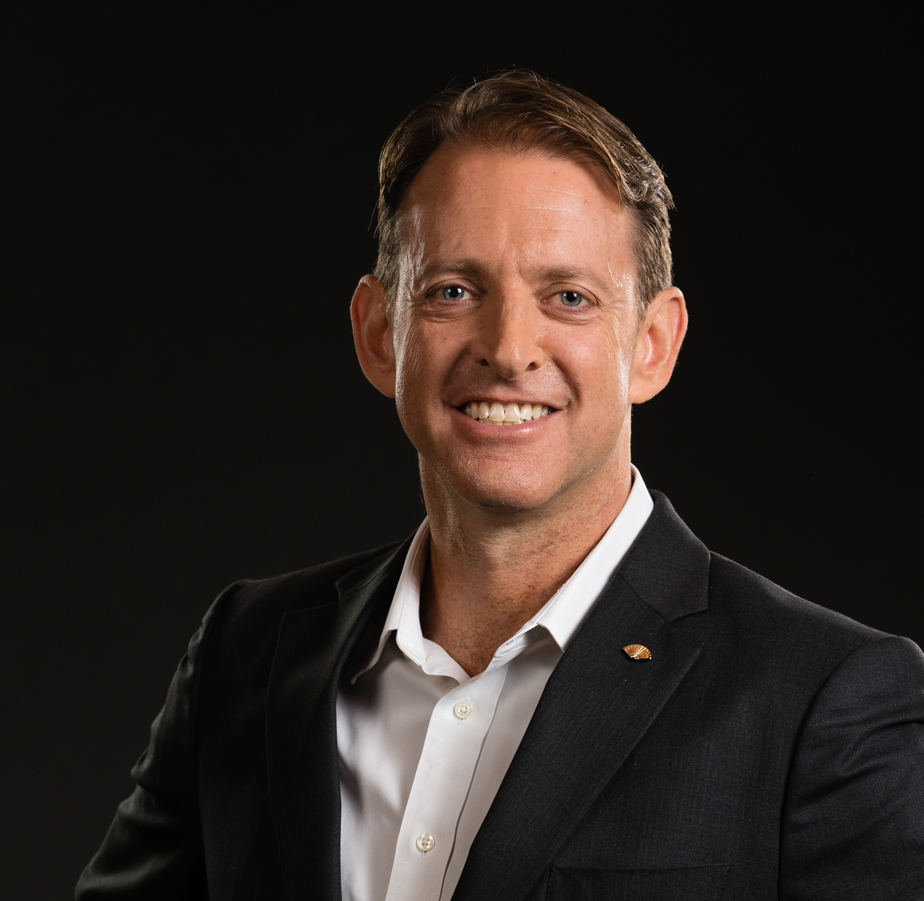
Jeremy McCarthy has worked in the wellness industry for over 30 years. As group director of leisure, spa and wellness for Mandarin Oriental, he oversees facilities at 40 luxury hotels globally. Contact him with your views on Twitter @jeremymcc

Swim Teacher
Swim Teacher
Fitness Manager
Operations Manager
Contract Sales Manager
Membership Advisor
Recreation Assistant/Lifeguard (NPLQ required)
Team Leader
General Manager


General Manager
Swim Manager
Sports Coach
Sports Coach
Swim Teacher
Group Exercise Instructor - Aqua
Swim Teacher
Swim Teacher
Activity and Wellbeing Instructor
Swim Teacher

Catalogue Gallery

Company profile
Directory
Featured Supplier
Property & Tenders
Company: Lee Valley Regional Park Authority
Company: Newmark
Company: EiA Real Estate
Company: Savills
Company: University of Oxford