


Reckoning with history
The Horniman Museum and Gardens has become the first publicly-funded UK museum to return artefacts stolen from The Kingdom of Benin. Meanwhile, a ground-breaking project is digitally uniting globally dispersed Benin treasures


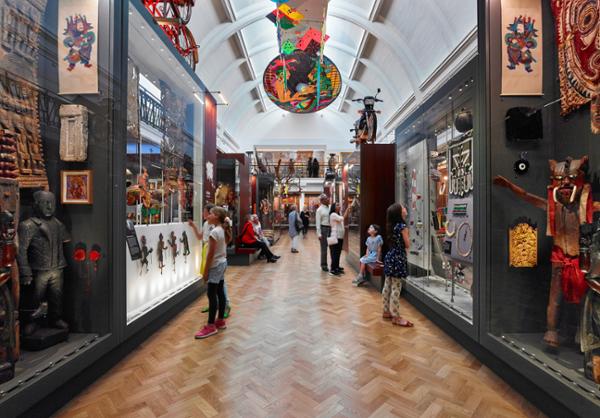
In November 2022, the Digital Benin project was launched in Berlin, providing an online platform that brings together more than 5,200 artefacts looted by British forces during the 1897 raid on Benin City. More than 131 museums from 20 countries have worked together to create the digital platform, which allows the public to view objects, historical photographs and documentation material from collections worldwide.
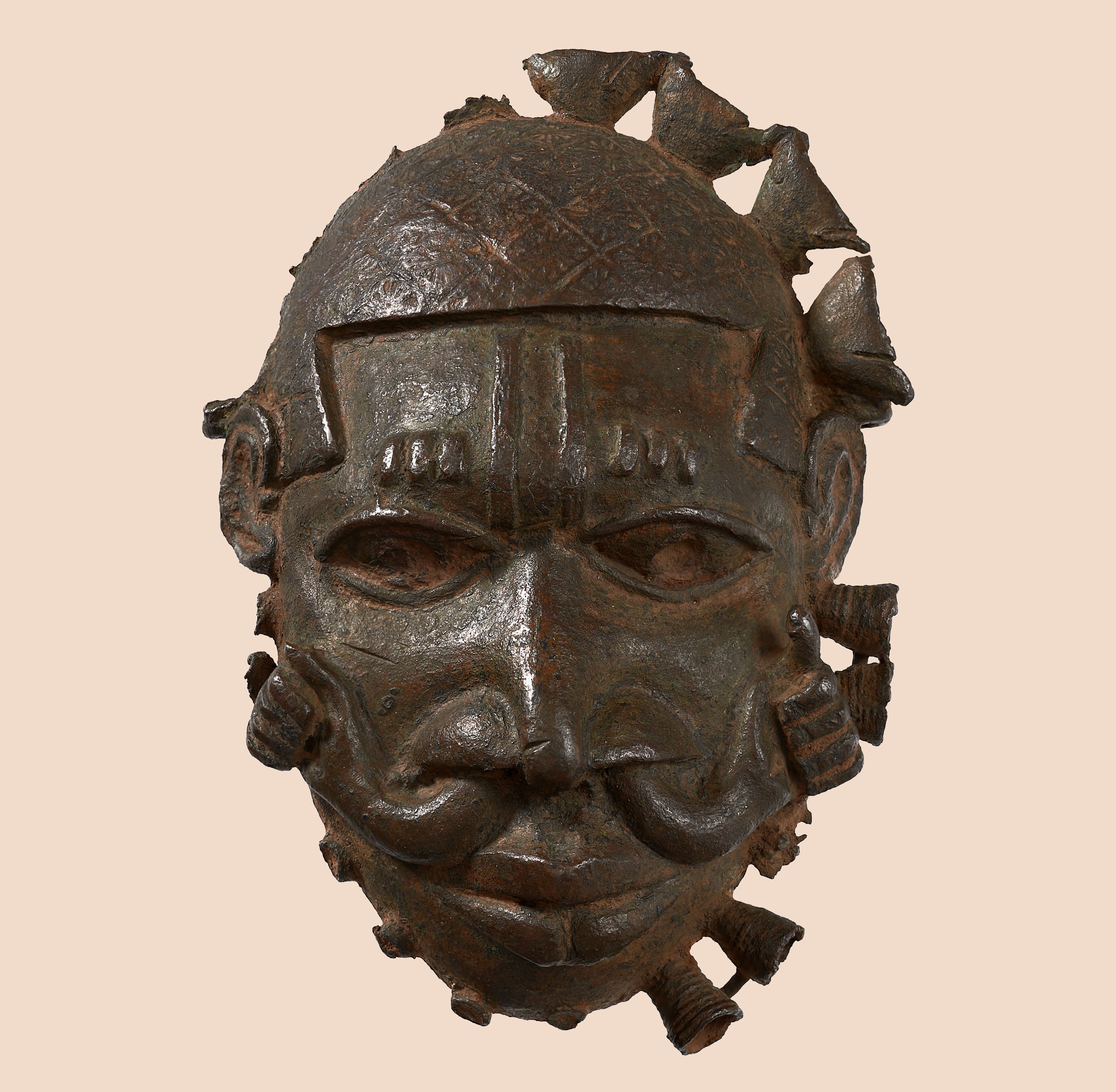
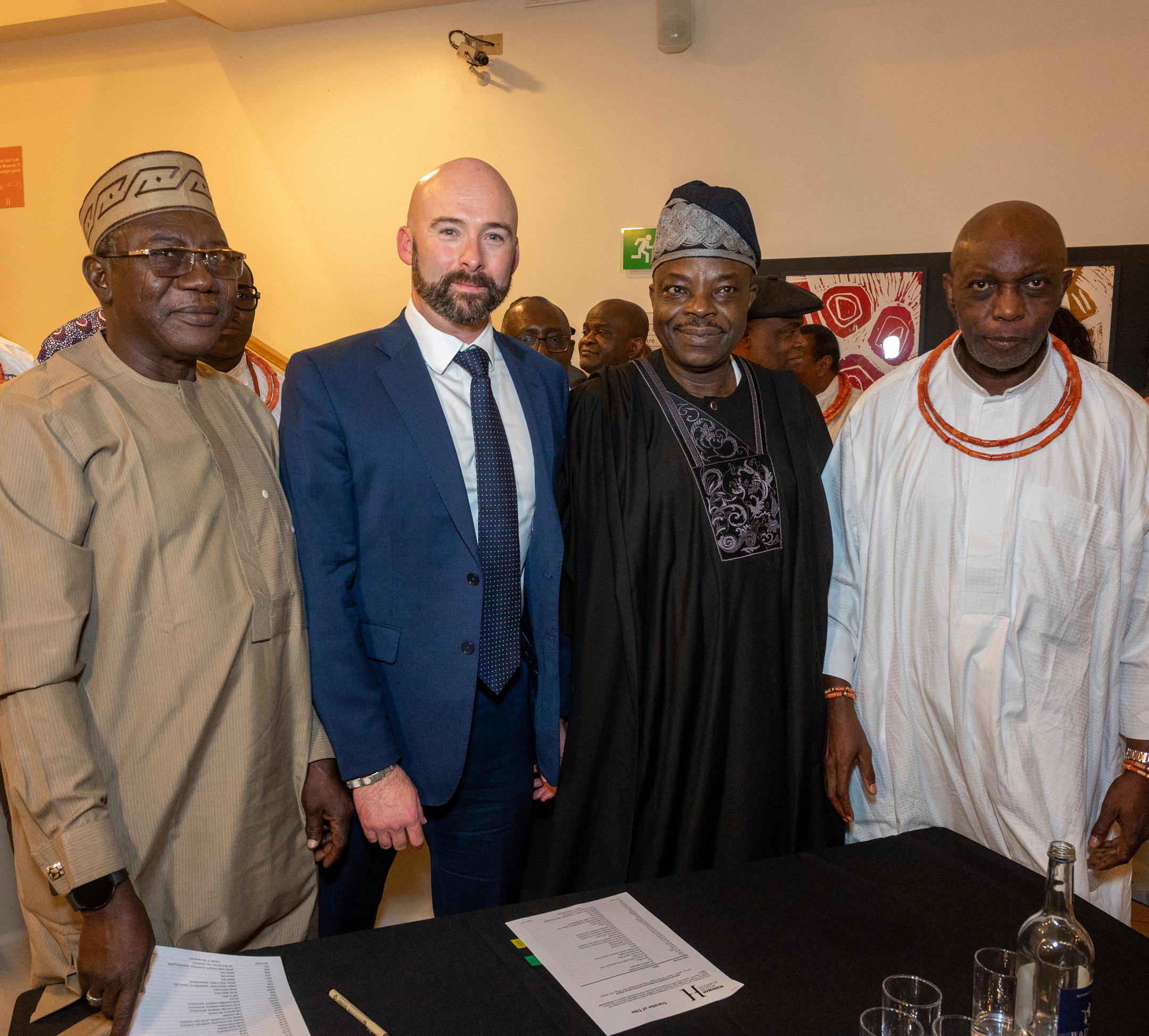
A week later, the Horniman Museum and Gardens in London gave the Nigerian authorities back six looted artefacts – the first of 72 pieces set to be repatriated after the Horniman’s trustees agreed that the transfer of ownership was the ‘moral and appropriate’ response to a request from Nigeria’s National Commission for Museums and Monuments (NCMM).
Other institutions, including the Smithsonian’s National Museum of African Art in Washington DC, recently returned stolen Benin treasures, but the Horniman Museum is the first publicly-funded UK museum to do so.
A TIPPING POINT
The repatriation was marked as a “significant moment in time for the museum sector in the UK,” by director of the Museums Association Sharon Heal.
“As the Horniman’s director Nick Merriman said, we are at a tipping point in terms of restitution and our work to understand and interpret the connection between our institutions and collections and the British empire,” Heal said.
Here Attractions Management talks to Osaisonor Godfrey Ekhator-Obogie, project research lead at Digital Benin, and Horniman Museum CEO Nick Merriman about the future for the treasures stolen from Benin, as well as the wider issues around the repatriation of cultural artefacts stolen from their countries of origin as part of colonisation and war.
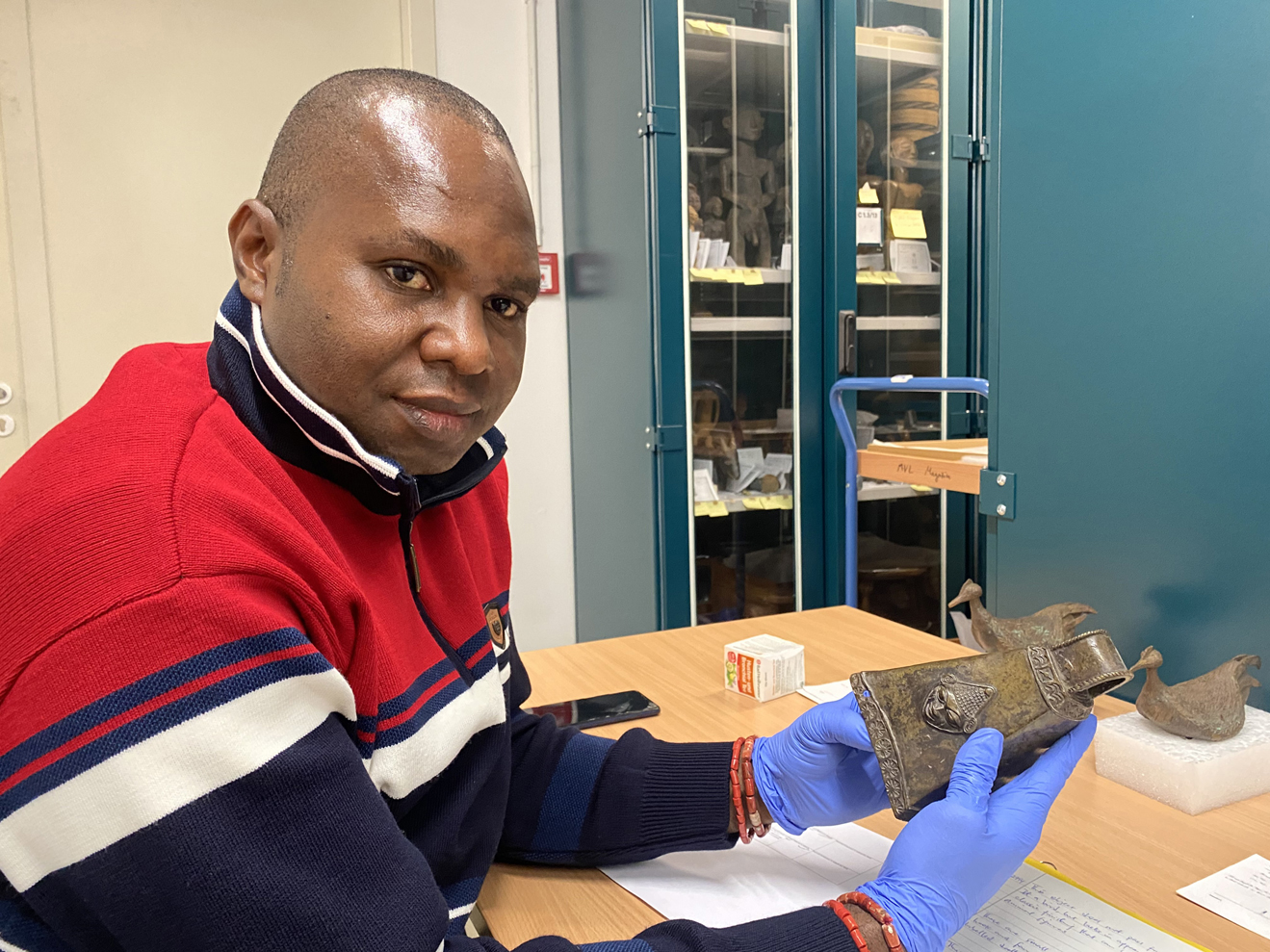
The aim of the project is to create a catalogue that’s able to show in one place the displaced Benin Bronzes that were looted in 1897 and globally distributed between 1897 and 1930. The majority of these cultural objects are now in European and American museums.
By the close of the 20th century it was very difficult to say categorically where these objects were, and how many of them were in museums across the world. Digital Benin aims to help provide an answer to this long-standing question.
As a Benin man, I grew up learning about the invasion of The Kingdom of Benin and the looting of these cultural treasures, but I’d never had the opportunity to interact with them.
This platform has given me the opportunity to really appreciate these treasures – to learn from them and use them as a resource for education and research.
Before Digital Benin, I didn’t realise how far beyond Britain the circulation of these objects had gone – to 20 countries across the world.
These treasures are veritable sources of history about our civilisation and our development over time before colonisation. While studying them, I begin to appreciate the fact that of all the pre-colonial sources of history about the Benin Kingdom, these artefacts are the most reliable. Every bronze plaque is a page in the history of Benin. That was an amazing lesson for me.
The ownership of all the looted objects obtained in questionable circumstances should be given to Benin and to Nigeria from where they were stolen. Once they’ve been returned to their rightful owners, Western museums and institutions can enter into professional collaborations so that they can exhibit some of them on loan.
These treasures are ambassadors for Benin – it’s important for us, the Benin people, that ownership is returned to their rightful owners, but some of them should remain in museums as representatives of Benin.
If you continue to keep these objects in Western museums, and those museums continue to tell their story, you’re telling a Western story. People should tell their own stories and the stories of their objects.
This was a late 20th century argument from European and American museum professionals. Now scholars have come to realise that before these objects were looted, they were very safe. Also, these objects were not produced as museum objects, the were created as functional objects within a living culture. They can’t be better preserved in Western museums – in a society where they have no cultural value – than in a society where they are meaningful and significant.
Digital Benin has helped bring a sense of transparency to the museum world; it has shown that there’s a tendency among museum professionals to approach this debate with openness.
If we follow this approach, it will be a win-win for both the countries of origin and for Western museums.
The result of a two year, €1.5m international research project funded by the Ernst von Siemens Art Foundation, Digital Benin brings together objects, historical photographs and documentation material from collections worldwide to provide a comprehensive database of the royal artefacts looted from The Kingdom of Benin (now Edo State, Nigeria) in 1897 and distributed around the world.
Connecting digital documentation about the looted objects to oral histories, object research, historical context, a foundational Edo language catalogue, provenance names, a map of the Kingdom of Benin and museum collections worldwide. Digital Benin connects data from 5,246 objects across 131 institutions in 20 countries.
More: digitalbenin.org
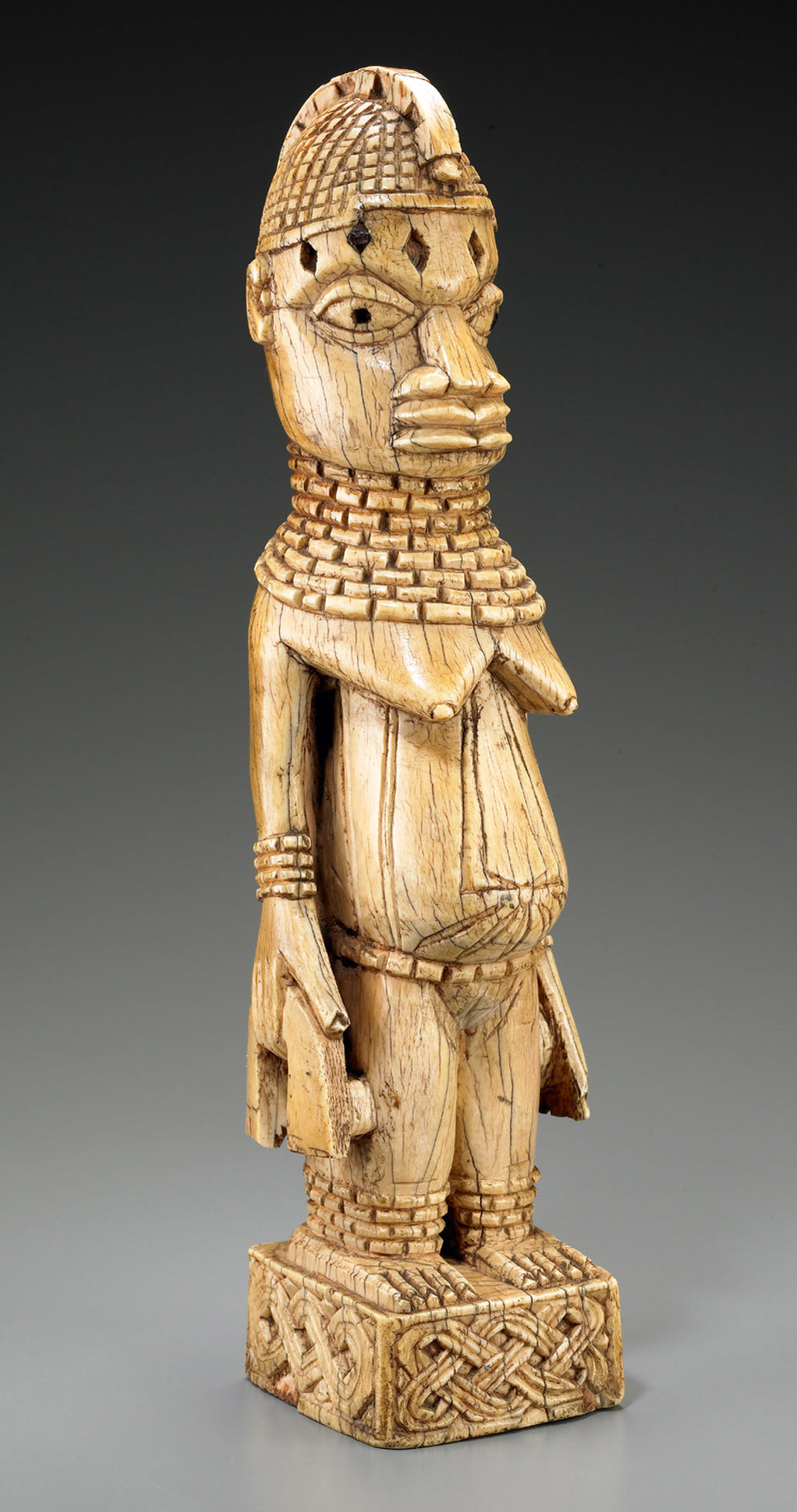
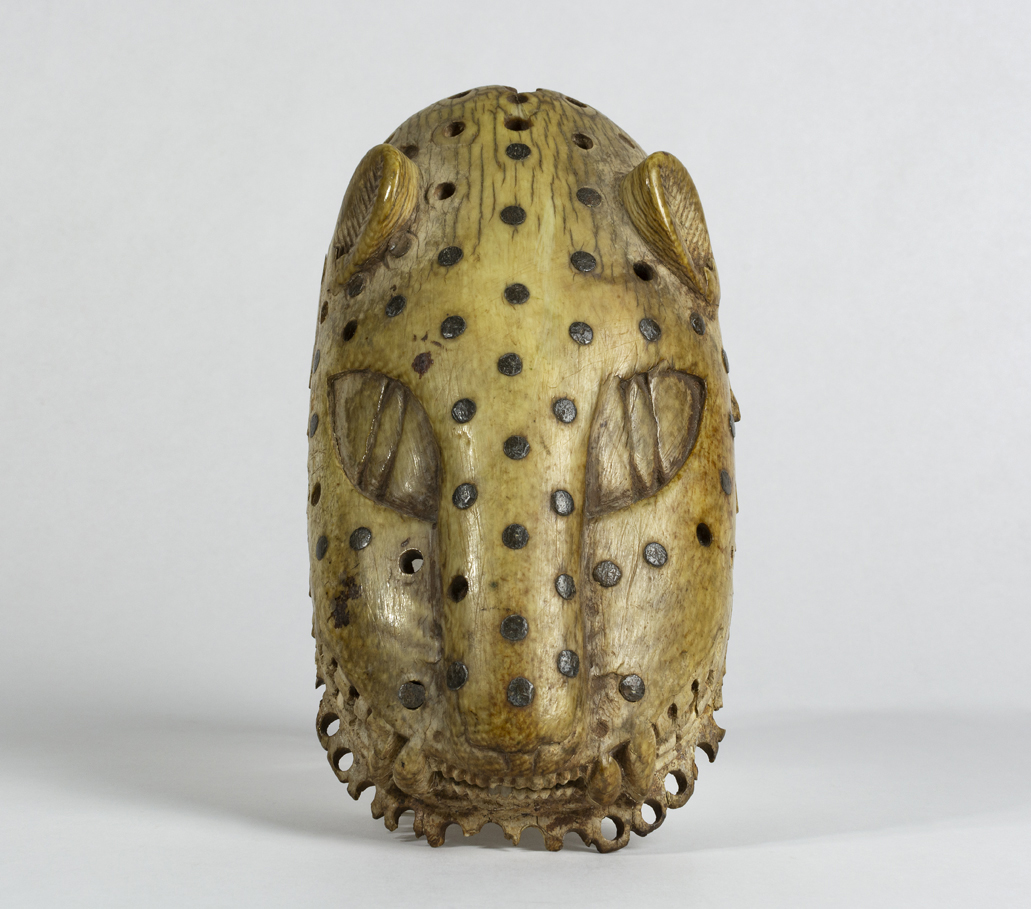
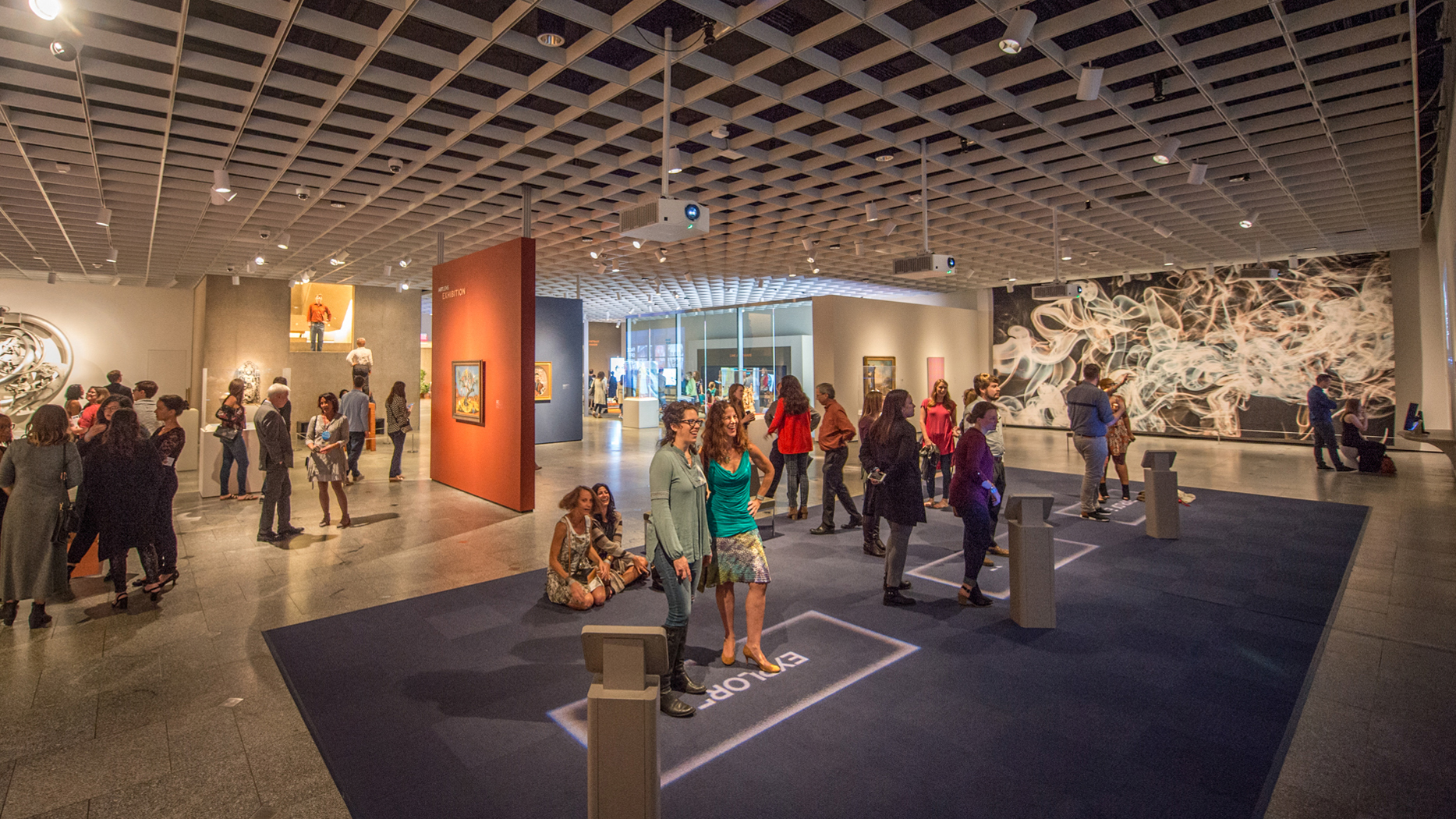
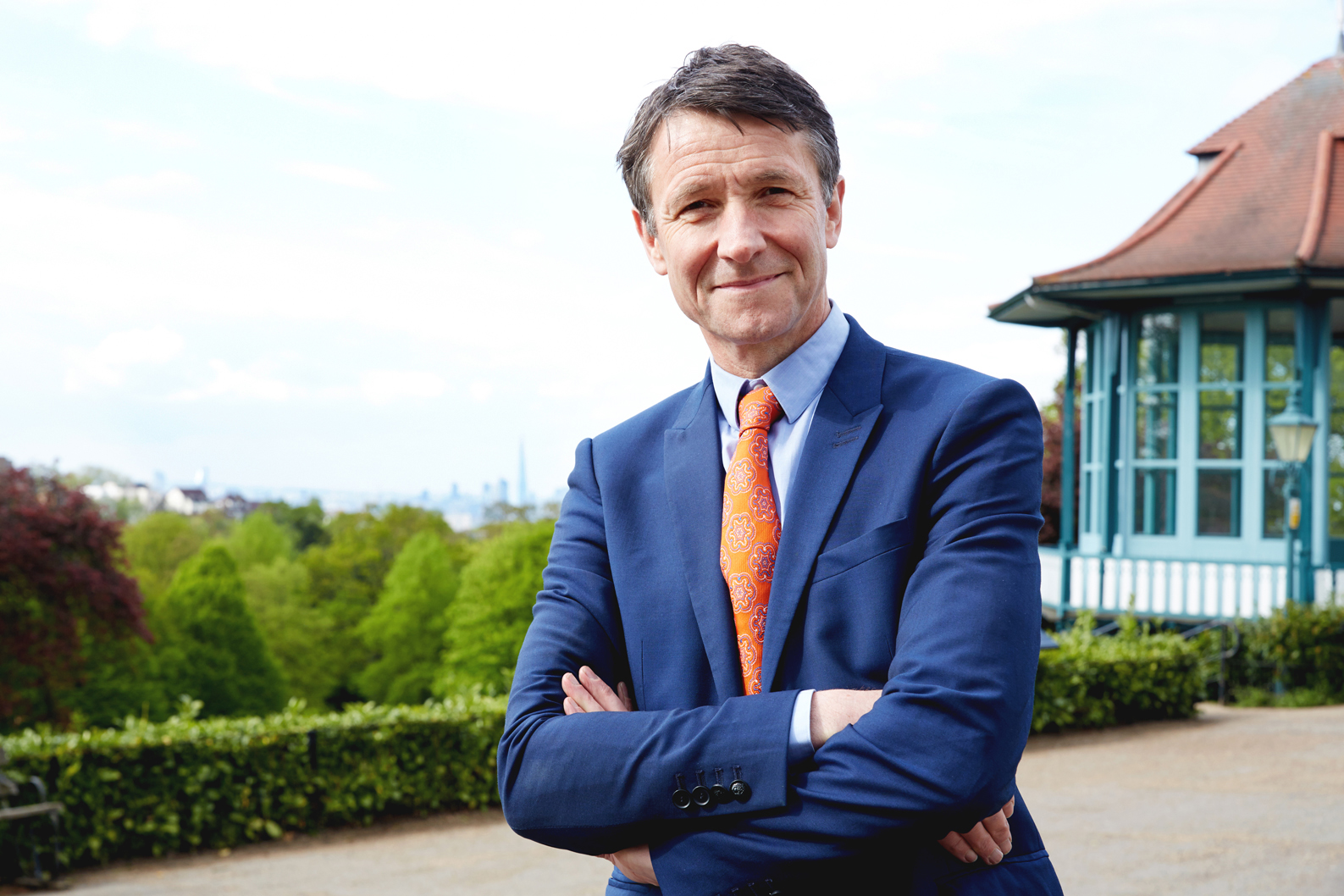
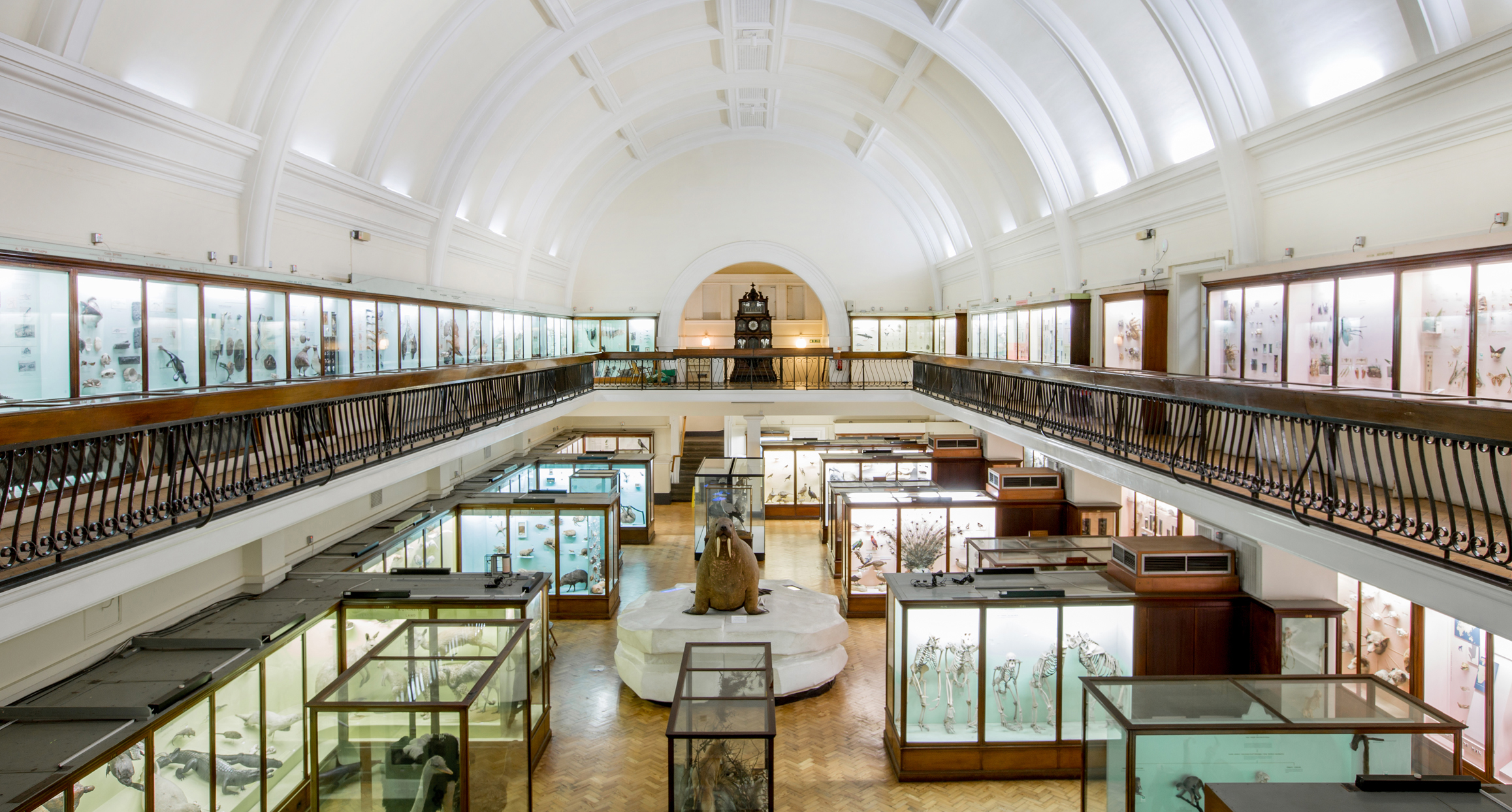
The National Commission for Museums and Monuments in Nigeria wrote to the Horniman in January 2022 to request the return of the objects that had been looted from Benin City by British forces in February 1897. After detailed research and widespread consultation, the trustees agreed to the request in July 2022. In many ways it was a straightforward decision in that our Restitution and Repatriation Policy determines that objects may be returned if they were taken by force, and these clearly were. What took the time was to hear a wide range of views from different stakeholders, and pinning down exactly which objects were in scope. Our research eventually showed that 72 of the Horniman’s objects came from the looting.
The material taken from Benin City in 1897 was clearly looted and the Horniman trustees (endorsed by the Charity Commission) felt there was a moral case for return. However, each museum is differently constituted and has different governance. Some of the national museums have primary legislation; others are governed as part of a university or a local authority; and there’s different legislation in different countries of the UK.
The Horniman, although government-funded, is constituted as a charity and its regulator is the Charity Commission. So, each museum has a different set of circumstances in which it has to work. Some university museums have already repatriated objects or have announced that they will, as have Glasgow Museums.
It’s difficult to generalise about repatriation as a whole, as every situation is different, both in terms of the context of the museum, and the circumstances of the particular object or objects in question. That is why all the professional guidance is to proceed on a case-by-case basis.
The largest diaspora group local to the Horniman is people of Nigerian origin. We wanted to ask whether they felt we should keep the objects where they are so that they could bring their children to learn about the great Kingdom of Benin. They unanimously said that, as they were stolen, they should be returned. They felt we could then ask for some objects to come back on loan for display.
We also consulted people who have membership of the Horniman. Although there was a minority feeling that ‘you can’t change history’ and they should remain, again the consensus was that they should go back on moral grounds, with a subsequent request to borrow some items back.
Before we made the decision to return the bronzes, we did get instances of visitors being upset about the display of looted objects. Research amongst non-visitors also showed that some were disinclined to visit the Horniman because of its associations with empire. We trained our visitor hosts to listen and respond by talking about our plans.
I’m uncomfortable with these arguments. If somebody steals your car, imagine if they said they would only give it back if you could show you’re a good driver. We need to work in partnership with colleagues in non-Western museums to build capacity in skills and infrastructure.
There’s absolutely no evidence to support this. Those few returns that have already been made have not been followed up by large numbers of further requests. The Horniman has over 300,000 objects, and we are returning 72.
We already have some replica pieces that we use in schools handling sessions, but we hope that in due course Nigerian colleagues will agree to lend us back a proportion of the objects for display in a new permanent exhibition.
The biggest challenges for museums are to determine what material could or should be open to repatriation. The Benin Bronzes were actually quite easy in that no-one disputes that they were looted. In many other cases it’s not so clear-cut. The biggest opportunities are around building long-term partnership relationships with colleagues and institutions in other countries.

Contract Sales Manager
Membership Advisor
Recreation Assistant/Lifeguard (NPLQ required)
Team Leader
General Manager
General Manager
Swim Manager
Sports Coach
Sports Coach


Swim Teacher
Party Leader
Group Exercise Instructor - Aqua
Swim Teacher
Swim Teacher
Activity and Wellbeing Instructor
Operations Manager - Brentwood School Enterprises
Swim Teacher
GP Exercise Referral Instructor
Duty Manager




Company profile
Directory
Featured Supplier
Property & Tenders
Company: Lee Valley Regional Park Authority
Company: Newmark
Company: EiA Real Estate
Company: Savills
Company: University of Oxford