




SAPCA update: Delivering a successful project - Part 3 Design
Sports Management is running a series of articles, in partnership with SAPCA, to outline the steps you need to take to ensure a successful facility project. In this, the third article, we look at the design phase


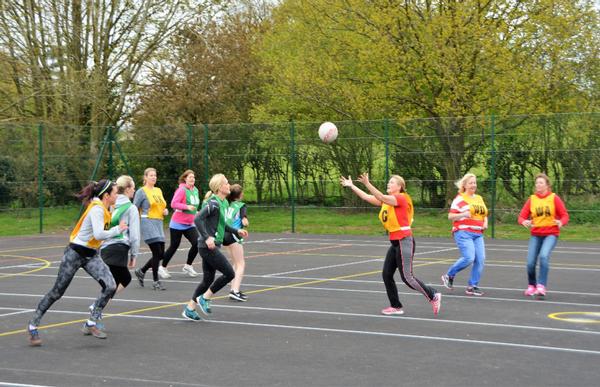
So, your initial idea for a facility project has been finalised and you have the financial support in place to deliver it. You now need to come up with a detailed design – and there is much more to designing a sports facility than you might first think.
GET HELP
As you now have a clear picture of what you want from the facility, the beginning of the design phase is a good time to define any additional technical support you will need.
For many projects, bringing in a specialist consultant will be essential. This is because you will need a step-by-step plan to take the project from initial concept to the construction phase – a considerable undertaking. For this, you might want to reach out to a member of SAPCA’s Professional Services Group, who are all independent consultants. The SAPCA website has a useful search facility, which will assist you in finding a member with the technical knowledge you require.
COME UP WITH A PLAN
A crucial part of the design phase is the securing of planning approval. For this, there are a number of steps to consider.
First, there are a number of surveys to be completed so a detailed design and itemised budget can be devised. These include a topographical survey – which assesses the level and profile of the site – and geotechnical surveys, which assess the ground conditions. Other surveys may also be required for traffic, drainage and trees – or even specific wildlife issues, such as bats.
The surveys will also be essential in order to make the relevant planning application to the local authority. As the surveys will need to be completed by specialists, this is something SAPCA members will be able to help you with.
During the detailed design phase, it is a good idea to consider case studies of similar projects. This will give you an idea of best practice and also aid the project team to understand the steps it needs to take in delivering the project successfully.
There are plenty of case studies available from SAPCA and a wide range of studies can also be obtained from Sport England and national governing bodies (NGB) for sport. NGB websites can also be useful for sourcing sports-specific facility development information.
Another thing to consider is playtesting, an often vital element in successful facility projects. This is because, for any type of surface, there are a wide range of products available that offer various characteristics in performance. For a facility to become a valuable asset, you need to ensure the chosen surface is suitable for the needs of the end users – and playtesting will help with this.
The final stage of the detailed design process is to submit your planning application to the local authority. This will include the submission of all the relevant surveys. If everything goes smoothly, you will successfully secure approval for the project.
PROCUREMENT
The design phase doesn’t end there, however. The next stage will be to create a tendering document to allow the procurement stage to commence.
The procurement route will often depend on the size and type of the project, the potential value of the work and/or the method of tendering. In any case, you will need to create a specification which may include a “scope of works” (general description of the work) – or a bill of quantities, which outlines the cost of materials, parts and labour. These will form the basis of the tender document.
You will also need to produce scheme drawings, a tender pack and liaise with the procurement team to ensure compliance with OJUE (if you’re in the public sector and have a big project) and any other relevant contract regulations. To help with the tendering, you should also produce a ‘best value’ tender scoring matrix, which outlines costs and other value indicators – such as quality, environmental impact and the timescale of the project. Once you have selected the successful tenderer, you award them the contract and begin formulating delivery timescales with them.
When all that is done, you will be ready to move to the next stage – the construction phase. For that, look out for the next issue of Sports Management magazine.

For more information on SAPCA, its Technical Programme or safety at sports facilities in general, contact us at: [email protected] or 024 7641 6316 www.sapca.org.uk

Membership Advisor
Customer Service Advisor
GP Exercise Referral Instructor
Swim Manager
Food and Beverage Manager
Activity and Wellbeing Coordinator
Team Leader
Duty Manager
Membership Advisor


Swim Teacher
Food & Beverage Assistant





Company profile

Directory
Featured Supplier

Property & Tenders
Company: Lee Valley Regional Park Authority
Company: Newmark
Company: EiA Real Estate
Company: Savills
Company: University of Oxford