

Saudi luxury
Saudi Arabia is poised to become a leader in wellness in the coming years. Alex Hawkins of The Future Laboratory outlines a shift in KSA consumers, who are increasingly recognising the connection between luxury and wellness


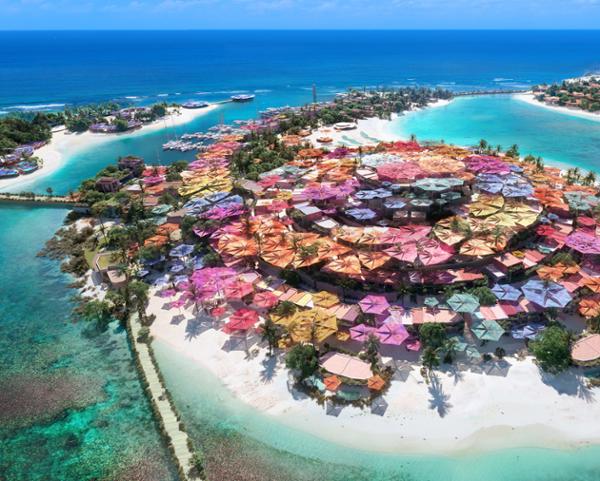
Although still nascent, a notable shift toward health and wellbeing is quietly altering the concept of luxury in The Kingdom of Saudi Arabia (KSA). KSA’s commitment to fostering a health renaissance aligns with global trends that prioritise wellbeing, with high-end retreats and holistic beauty brands all on the rise. Thanks to increased connectivity, inspirational marketing campaigns and simplified visa processes, Saudi Arabia’s wellness tourism industry is blossoming.
FuturePoll reveals that as many as 60 per cent of KSA nationals believe that wellness is a form of luxury and an essential aspect of a high-quality lifestyle, while just 2 per cent believe that wellness and luxury are unrelated concepts. Moving forward, brands, hotels and spas will be key in spearheading this convergence.
A-Beauty ascending
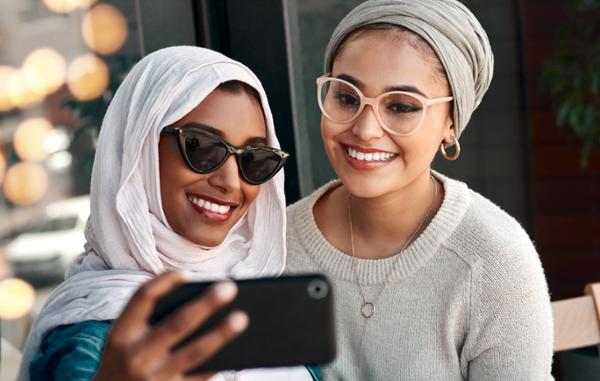
In KSA, the concept of beauty is in flux, fuelled by a generation of home-grown brands and the dawn of A-Beauty (Arab Beauty). Seen as more than mere physical appearance, beauty and grooming are intertwined with overall wellbeing and self-care sentiments. It therefore makes sense that, when considering a luxury purchase, 89 per cent of KSA nationals say they give at least a moderate amount of emphasis to products or services that promote health benefits or overall wellbeing, according to FuturePoll. This is giving rise to new brands with a more holistic and cultural focus.
Consumers are also pushing back against European beauty ideals, with one in two (49 per cent) of young individuals in the Middle East and North Africa (MENA) using beauty and grooming products to celebrate their heritage, according to data from Vice Media. In tandem with this empowered sense of self, Saudis are seeking brands that align with their values – such as halal beauty – as well as sustainable, clean and cruelty-free products. This extends to products rooted in traditional practices and ingredients, albeit updated for modern needs, including those suited to the climate. Local pioneers like Asteri Beauty are taking the lead by formulating ‘desert-proof’ products designed to withstand the environmental conditions of the region. MZN Bodycare, another Saudi brand, focuses on natural bodycare products to address common skin issues. Notably, the products are heavily inspired by the plants of Saudi Arabia, including date seed oil, prickly pear oil and pomegranate extract.
As Saudi Arabia incubates its own beauty brands in greater numbers, the A-Beauty trend hints at a promising future. The fusion of relevance, performance and wellness will position local brands as innovators with a global appeal, carving a distinct niche in the competitive international landscape of luxury beauty.
Eco-luxury oases
Saudi Arabia’s move away from an oil-dependent economy is cultivating regenerative infrastructure and slowly sowing the seeds of eco-luxury through more sustainable values. Although this is new, residents of the Kingdom are gradually joining the dots between these ideas.
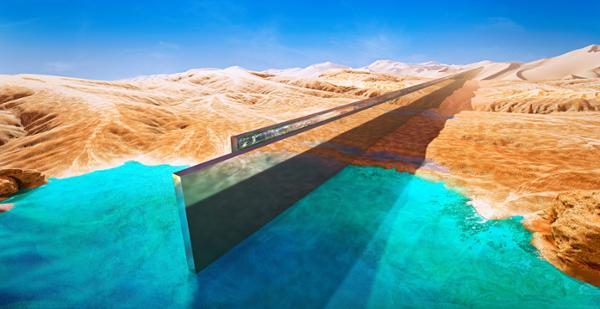
Embracing the outdoors is part of this trend, with 88 per cent of Saudis saying it is important to engage in outdoor activities for their health and wellbeing, according to the FuturePoll survey, which also reveals that 87 per cent of respondents consider it important to engage with luxury brands that prioritise sustainability and ethical practices. Saudi Arabia’s ambitious plans include the construction of the Oxagon Floating City in Neom, which will partly float on the Red Sea – a colossal endeavour 33 times larger than New York. Beyond being a tourist destination, it aspires to be a centre for clean energy, vertical farming, robotics and smart technology, standing as a testament to the country’s commitment to move away from fossil fuels.
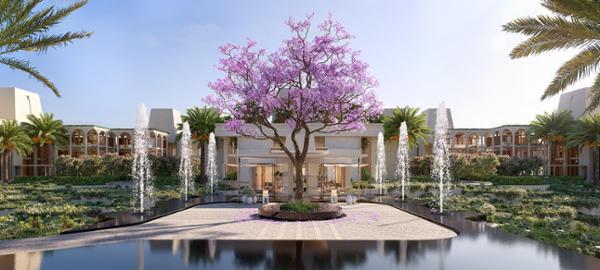
Beyond city limits, the emergence of eco-luxury can be found in the Azulik AlUla Resort, which seamlessly blends with AlUla’s Nabatean Horizon District. Developed by the Royal Commission for AlUla (RCU), the resort integrates ancient rock art inscriptions, utilises natural waterways for irrigation and prioritises eco-friendly mobility, creating a luxury experience that is in harmony with its natural surroundings.
The Red Sea destination is another jewel in Saudi Arabia’s crown – one that will redefine luxury eco-tourism. As a desirable destination for nature enthusiasts and adventure-seekers, it is spread across an archipelago of islands, miles of sweeping desert and dramatic volcanic landscapes. With every aspect of the guest journey and activity supported by teams of environmentalists, this premier coastal haven will soon transform luxury experiences in the Kingdom, while preserving and spotlighting natural beauty.
Optimisation destinations
Embracing the emerging paradigm of ‘health as the new wealth’, Saudi Arabia is the next top destination for wellness tourism. The rising tide of holistic hospitality is a savvy strategy – one the Saudi private sector is leveraging through its competitive advantage in hospitality, infrastructure and technology. From government health initiatives to new hotels, fitness-first luxury concepts, health optimisation and cutting-edge longevity research are all bringing something new to the region.
In the GCC, the robust expansion of the health and wellness market – which IMARC Group forecasts will reach US$94.7 billion by 2028 (€87.1 billion, £74.2 billion), up from $63.4 billion (€58.3 billion, £49.7 billion) in 2022 – is being fuelled by a wider health awakening and the consequent dawn of a new age of self- improvement.
KSA has announced it will spend 2.5 per cent of the country’s GDP, or US$16 billion (€14.7 billion, £12.5 billion), in 2040 on R&D primarily focusing on ageing and chronic diseases. It has also launched the Hevolution Foundation, a US$20 billion (€18.3 billion, £15.7 billion) initiative to extend human life.
The opportunity for wellness tourism is clear. With international wellness tourists spending, on average, 35 per cent more than traditional leisure tourists, the global sector will reach a value of US$1.3 trillion (€1.2 trillion, £1 trillion) by 2025, according to the Global Wellness Institute. But there is also an opportunity here for domestic tourism.
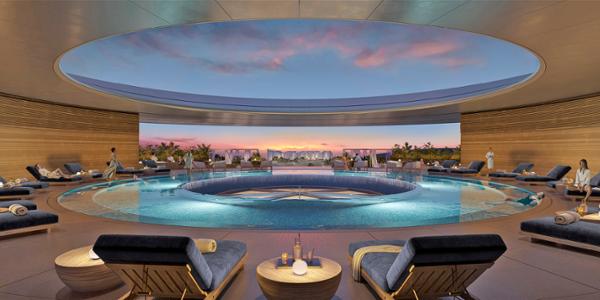
In collaboration with Red Sea Global, Swiss spa clinic Clinique La Prairie is creating a high-end resort focused on health and longevity. The concept includes a Longevity Plaza and emphasises medical care, nutrition, movement and wellbeing, offering a range of services and anti-aging treatments, from cryo-chambers and hyperbaric suites to IV infusions.
Equinox Resort Amaala, designed by Foster + Partners, is another project focusing on high-performance living. Boasting an exceptional wellbeing offering inspired by the Red Sea, it provides a holistic experience that spans wellness, art, adventure, sport, yachting and lifestyle – all aligned with the DNA of the Equinox brand. This venture caters for individuals seeking an immersive and active lifestyle, including programming and amenities around movement, nutrition and regeneration.
In the next decade, the integration of health optimisation and longevity services into the fabric of hospitality will not only enhance the Kingdom’s appeal for luxury travellers, but also establish the country as a leader in the global wellness economy.
FuturePoll is The Future Laboratory’s quantitative division, which offers a blend of consumer database insights, bespoke ethnographic and polling research, trend and market sizing services and much more. For this report, primary research was conducted online from 1–18 September 2023 among 500 adults aged 18+ in Saudi Arabia with a household income of SAR500,000 (US$133,333) or more.
About the author: Alex Hawkins is strategic foresight editor at The Future Laboratory, a futures consultancy that offers a blend of trend forecasting, consumer insight, foresight and brand strategy.
This article is excerpted from ‘New Codes of Luxury in Saudi Arabia’, a wider report from The Future Laboratory commissioned by Together Group. The report documents via quantitative and qualitative data who the Saudi luxury consumer of the future is, and can be viewed in its entirety at: http://lei.sr/b0c2t


Membership Advisor
Sports Coach
Sports Coach
Swim Teacher
Party Leader
Group Exercise Instructor - Aqua
Membership Advisor
Swim Teacher
Swim Teacher


Activity and Wellbeing Instructor
Operations Manager - Brentwood School Enterprises
Swim Teacher
GP Exercise Referral Instructor
Duty Manager

Catalogue Gallery

Company profile
Directory
Featured Supplier

Property & Tenders
Company: Lee Valley Regional Park Authority
Company: Newmark
Company: EiA Real Estate
Company: Savills
Company: University of Oxford