


Societal shift
Emlyn Brown provides insights into the transformative trends set to define the hospitality sector in the coming years



In the global hospitality industry, it is widely acknowledged that a fundamental societal shift has taken place over the past few years. What was once called the ‘wellness trend’ has taken root as consumers and travellers worldwide are making long-term commitments toward their health and wellbeing, prioritising self-care and making the necessary investments of time, energy, and money in strengthening and safeguarding their physical and mental wellness.
In this era of heightened wellbeing consciousness, travellers are seeking more than just a comfortable stay — they yearn for experiences that nurture their physical, mental and emotional health.
Social wellbeing takes centre stage
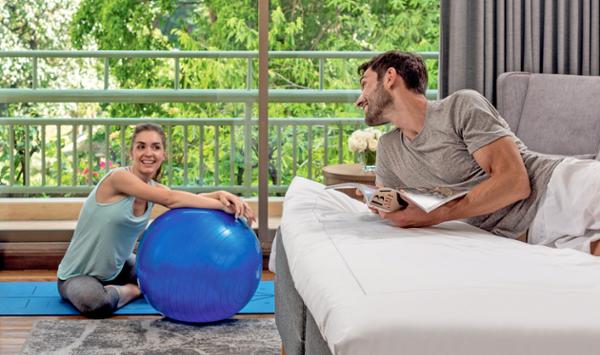
In 2024, the hospitality industry will see a significant shift towards social wellbeing. Travellers are seeking more activities that foster connections and promote collective wellness. The concept of ‘we over me’ is at the forefront. Younger demographics, especially, are seeking out opportunities for communal bathing experiences and water-based therapies. Hotels are embracing this trend to offer guests a sense of community and shared wellness.
Active nutrition
Hotels are also prioritising and focusing more on providing outstanding nutritional cuisine. This shift is driven by growing awareness among guests of the importance of food sensitivities and maintaining balanced blood sugar levels in a mindful manner. The worldwide market for healthy food and drink is projected to hit US$586 billion (€539 billion, £459 billion) by 2030.
Nutrition is the cornerstone of wellness, and diet-diverse menus are good for both our guests and for the planet.
Optimising sleep for wellbeing
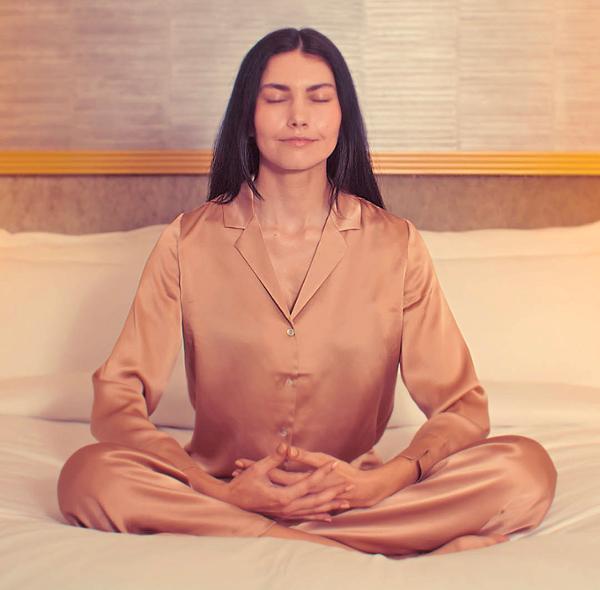
Quality sleep is the cornerstone of wellness, and hotels are redesigning rooms to enhance guests’ ability to rest. The worldwide sleep tech market is projected to reach US$36 billion (€33 billion, £28 billion) by 2027. Guest rooms are evolving to address common sleep disruptors such as electromagnetic waves, inconducive bedding and noise, creating environments optimised for rest and rejuvenation.
Sleep is the biggest opportunity for us as a hotel company. At Accor, we want to own sleep and be the best at creating sleep environments – from the iconic Sofitel MyBed to Raffles Rituals, it’s all about creating an entire wellbeing experience that will contribute to a solid night’s rest.
Ageing well
With the global market for wellness tourism expected to reach US$1.2 trillion (€1.1 trillion, £940 billion) by 2027, hotels are increasingly playing a role in helping guests age gracefully by fusing technology with traditional wellness practices. Services such as infrared saunas, IV therapy and technologically advanced treatments for face and body care are expected to become mainstream, along with nonsurgical aesthetic procedures, such as micro needling, lasers and oxygen jets.
The interface of technology and spa is very exciting, creating more effective, personalised results that truly move the dial on people’s health and wellness. The advances in medi-tech are incredible. I truly believe wellness technology will help people live better for longer – a wonderful goal to work towards.
Athlete-inspired wellness
Hotels and spa facilities are responding to the growing demand for comprehensive sports recovery experiences. Today’s guests are no longer content with merely indulging in traditional spa treatments; they seek to emulate the regimens of professional athletes by incorporating cutting-edge practices such as cupping, cryotherapy, sports massage and more into their wellness routines.
This trend represents a fusion of sports science and holistic wellness, allowing guests to not only elevate their physical performance but also optimise their recovery processes. In line with this evolving landscape, the global cryotherapy market is currently valued at US$7.45 billion (€6.8 billion, £5.8 billion), with a revenue forecast of US$12 billion (€11 billion, £9.4 billion) by 2030.
It’s quite common for luxury guests to arrive equipped like professional athletes, with sophisticated gear and loaded with their own health data on wearable tech devices. They want to train, eat, nourish, hydrate, recover and rest. We are exploring innovative ways to sync and connect with these guests to create bespoke wellness experiences that integrate spa, nutrition, fitness and sleep experiences. Our rest, recovery and rejuvenation treatments must be on par with our guests’ highest levels of performance.
Mindfulness enhanced by technology
The global market for mindfulness meditation apps is expected to reach US$4.2 billion (€3.9 billion, £3.3 billion) by 2027. If we can teach our guests to breathe well, we’re going to make a significant impact in their lives. The power of breath is a concept that our hotels are eager to explore. According to research from Booking.com, meditation and mindfulness trips are popular among 44 per cent of global travellers, while 42 per cent “are keen to go on a health hiatus that focuses on mental health, transformative health or that helps with life milestones such as menopause or pregnancy.” We expect this trend to continue, as the hotel environment is ideal for supporting mental wellbeing – providing relaxation and time to oneself.

About the author: Emlyn Brown is global SVP of wellbeing for Accor, a leading hospitality group consisting of 5,300 properties throughout 110 countries.

Membership Advisor
Sports Coach
Sports Coach
Swim Teacher
Party Leader
Group Exercise Instructor - Aqua
Membership Advisor
Swim Teacher
Swim Teacher


Activity and Wellbeing Instructor
Operations Manager - Brentwood School Enterprises
Swim Teacher
GP Exercise Referral Instructor
Duty Manager

Catalogue Gallery


Company profile
Directory
Featured Supplier
Property & Tenders
Company: Lee Valley Regional Park Authority
Company: Newmark
Company: EiA Real Estate
Company: Savills
Company: University of Oxford