


Teen wellness
As studies show a doubling of mental health problems among children and adolescents, should spas be doing more to offer services for the teen and family demographic? Julie Cramer asks the industry


Mental health has been a particularly dominant topic since people emerged from COVID-19 lockdowns seeking more meaningful help.
While no one would expect spas to replace specialist mental health services, they still offer numerous programmes and treatments that have a positive impact on the mind in a safe, professional and relaxed setting.
There’s also a growing conversation around how spas could open up to a demographic that’s especially known to encounter struggles with mental wellbeing: teenagers. Coping with hormonal changes and peer pressures might well be considered a rite of passage for this age group, but in today’s society, the problems are much greater than that.
Statistics published by WHO in 2021 show that one in seven 10 to 19-year-olds experience a mental disorder globally. Furthermore, a meta-analysis of 29 studies published between 2020-2021 found that 20 per cent of young people were suffering from elevated levels of anxiety and depression – double that of pre-pandemic levels.
With an adults-only policy in most spas, is it time to review the age limit and accept younger people? Leading US resorts such as Miraval and Canyon Ranch are paving the way with their dedicated children’s or family weeks. Is the time ripe for more operators to step into this arena and, if so, what are the legal and ethical considerations of targeting a younger market?
Could the demand become large enough to consider permanently lowering the age limit, or would this alienate existing clientele? Even if the business opportunity is currently small, is it smart to start marketing to the next generation of customers and play an influential part in helping them establish lifelong wellness habits, while at the same time cultivating brand loyalty? We ask the experts.

There’s a huge need for safe spaces where young people can go to learn new techniques from teachers outside of the systematic curriculum, who can inspire them to feel better about themselves.
In my travels, I met young people all over the world who spoke to me like an agony aunt or big sister about the weight they carry, problems at school and within themselves. So, I created the Rewire Retreat to empower teenagers.
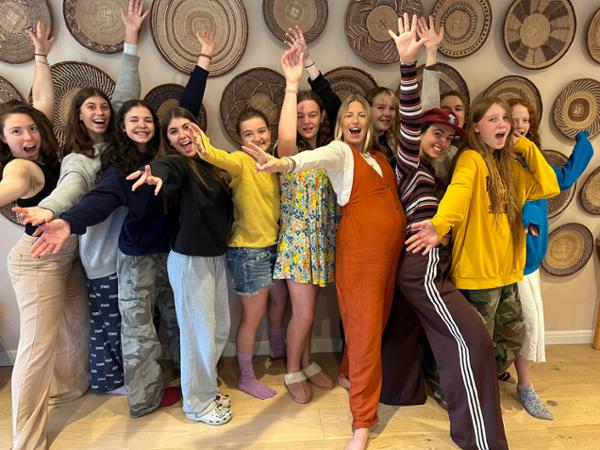
Our retreats include up to 14 girls aged from 13 to 16. We focus on three core principles: teaching them to work with their own biology, connect with the outside world and master their emotions.
I’d advise any facility considering delivering a teenager-focused programme to think about what pre- and aftercare they’ll offer.
We’ve embedded a care system that looks after the girls before, during and after the retreat. The pre-care includes a detailed screening form to fill out and a one-to-one Zoom call. The aftercare includes a WhatsApp group and Unplugged monthly mentor membership they can join to keep connected and continue to learn and support each other.
There’s a good business case for spas to offer services for teenagers, especially in the area of mental health and anxiety. Operators should evolve their offering – not only with short-term physical treatments like massages but also long-term future-proofing services like trauma release therapies, somatic workshops and pop-up programmes.
Like any business, if you don’t respond to the changing needs of the audience, you’ll become extinct.
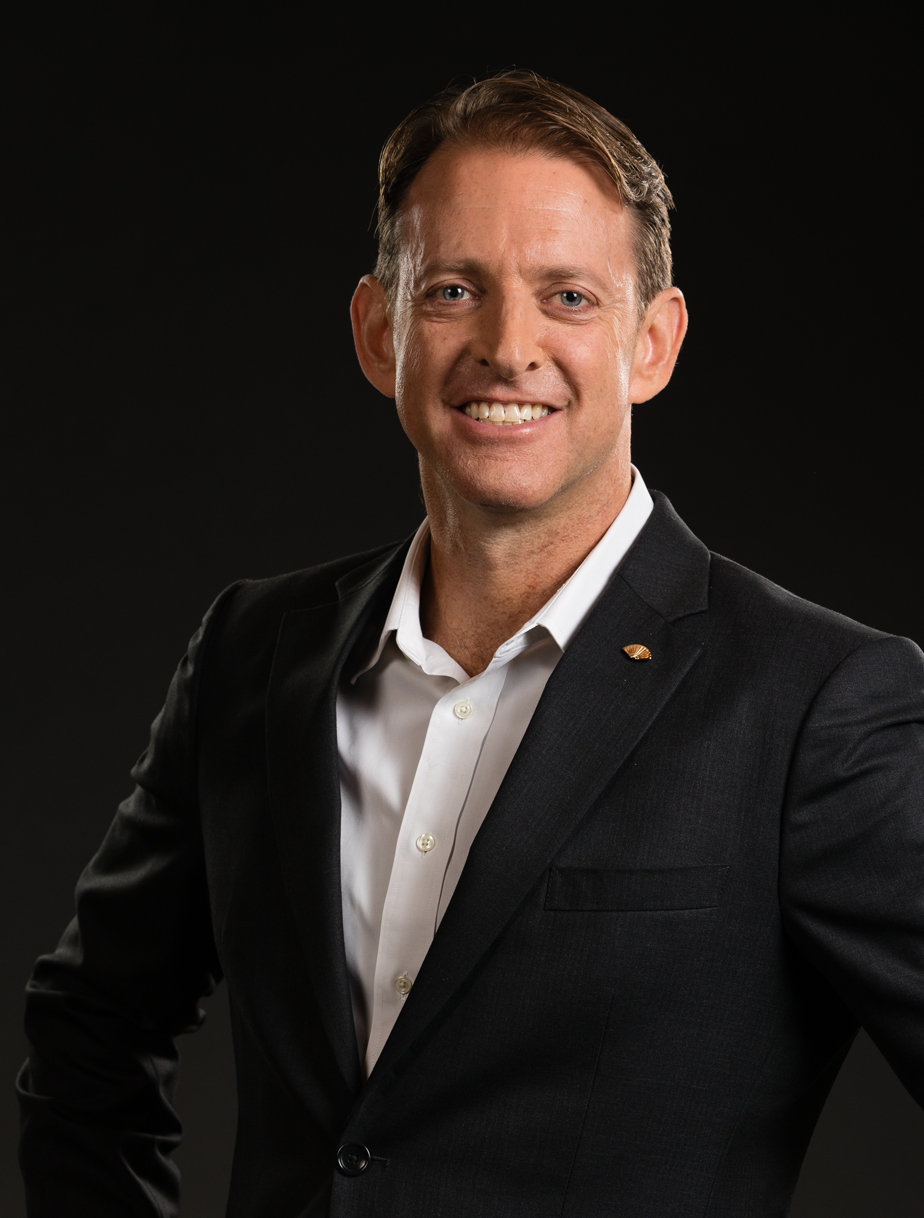
Spas naturally offer experiences to aid mental health, including silent time, separation from technology and nurturing touch. Teenagers could also benefit from spending time in this environment to help establish a self-care mindset from a young age.
However, I don’t see this as a huge untapped market. Most teens may not have the money for spa services or prioritise them. At Mandarin Oriental spas, teen and family wellness is only a very small percentage of our revenue and not something we track closely.
That said, there are certainly many parents who want to expose their children to wellbeing experiences, so it would be beneficial for spas to find safe and appropriate ways to deliver these experiences to a younger clientele.
Before establishing a policy for younger guests, spas must fully understand their local legal requirements and insurance policy limitations and take advice from their legal counsel on the appropriate parental waivers and procedures for safe and appropriate treatment of teen guests.
One way to reduce liability is to encourage parents to be involved in their kids’ treatments by sharing an experience together in a couple’s treatment room, for example.
The fact that there are societal pressures on teens surrounding their appearance and self-esteem means that spas could help them learn new strategies to manage their own skincare, as well as their own mental and physical wellbeing.
At the same time, consideration also needs to be given to the ethical considerations of marketing beauty treatments to teens. Spa experiences that are purely aesthetic may be inappropriate.

Zulal, the first Chiva-Som destination outside of Thailand, offers adults-only wellness (Zulal Serenity) and family-focused approaches (Zulal Discovery) in the same setting. The idea is to develop familial bonds while also supporting individual wellness goals.
We offer a range of retreats and activities, such as Discovery Reconnect, which balances active family time with space for individuals, while Zulal Young Adults is ideal for guests aged 13 to 17 who want to learn to balance mind, body and spirit.
We draw from a curated list of over 400 activities, from gardening, kayaking and adventure walks to floating meditation, beach walks and dance. Alongside this, our Discovery Oasis offers age-appropriate spaces for four specific groups: 0 to three years, four to eight years, nine to 12 years and 13 to 17 years.
The school holidays are a key time for family stays and we’ve recently added a range of summer camps around topics such as happiness, mindfulness and emotional intelligence.
Families say they’ve seen significant improvements in the quality of time they spend together and say it’s also encouraged them to continue new habits when they go home, such as focusing on family walks, breathing exercises and cooking together.
With the right programme, activities and expertise, spas can offer an ideal environment for teenagers to focus on themselves and their families as they temporarily disconnect from the outside world.
To support a child or teenager, it’s important to build trust to ensure they engage with both individual and family activities, which is why we offer consultations with children and parents separately, as well as the entire family.


Teens today face unprecedented levels of stress due to academic and social media pressures. Normalising mental health support and encouraging teens to seek early intervention will prevent more severe issues down the line.
We believe there’s a significant market for families travelling with teens, so facilities should consider lowering the age limit to include this demographic.
Many spa services offered to adults could easily be adapted for adolescents with minimal adjustments. We’d recommend focusing on self-care, relaxation and mindfulness experiences – coping mechanisms teens are already actively seeking – rather than appearance and beauty.
Liability issues must be carefully considered, as the traditional spa environment of being one-on-one with a therapist would not be suitable for those under 18. Obtaining parental consent and having a well-crafted waiver in place can help mitigate potential risks.
But with touchless wellness treatments now available, there’s an opportunity to have 13-year-olds and upwards be dressed and in a more public environment. This significantly reduces the risk of liability while presenting beneficial hands-free therapies such as red light, infrared, percussion instruments and acoustic vibrational experiences.
In this context, we’d encourage all operators to lower the age requirements and welcome a younger clientele. We believe that the time is right.

General Manager
General Manager
Swim Manager
Membership Advisor
Sports Coach
Sports Coach
Swim Teacher
Party Leader
Group Exercise Instructor - Aqua


Membership Advisor
Swim Teacher
Swim Teacher
Activity and Wellbeing Instructor
Operations Manager - Brentwood School Enterprises
Swim Teacher
GP Exercise Referral Instructor
Duty Manager




Company profile
Directory
Featured Supplier

Property & Tenders
Company: Lee Valley Regional Park Authority
Company: Newmark
Company: EiA Real Estate
Company: Savills
Company: University of Oxford