

TrendsWatch: Building the future
The latest edition of TrendsWatch from the American Alliance of Museums, examines the forces shaping the museum sector and helps museum professionals plan ahead. We take a look



Following the profoundly disruptive events caused by COVID-19, the museums sector is taking stock.
The American Alliance of Museums (AAM) has published its 2023 TrendsWatch report, highlighting the forces shaping the museum sector in the context of broader changes in society, helping to inform planning and identify opportunities.
As AAM VP Elizabeth Merritt says in her introduction, “Museums face a long road to recovery, but they can learn from each other the best ways to rebuild attendance, stabilise finances, and attend to the damage staff and volunteers experienced. These good practices can help museums prosper in the post-pandemic future.”
The report identified four key trends affecting museums right now:
1. The Future Workplace
As the world shut down in 2020, unemployment in the US soared to its highest rate since the government started keeping records in 1948.
The pandemic labour exodus struck the non-profit sector particularly hard, and as the world reopened for business, the shortage only got worse. In AAM’s 2021 National Snapshot of COVID-19 Impact on US Museums, directors anticipated that one of the biggest disruptions of 2022 would be labour and skills shortages.
This labour shortage stems in part from the terrible toll the pandemic has taken on staff. In the past three years museum workers experienced stress and burnout paralleling that of their non-profit and for-profit colleagues. Over 40 per cent lost income, and nearly half experienced increased workload – with the heaviest burden falling on BIPOC staff and women. Stress and burnout may have been exacerbated by the pressure museums felt to innovate their way out of the pandemic.
These pressures are leading many museums to think about how they can create better, more supportive and more equitable workplaces.
Museums might...
• Evaluate how they can improve pay and benefits.
• Consider how compensation practices reflect an organisation’s values, particularly regarding equity, fairness and transparency. A growing number of museums are explicitly setting a cap on the pay ratio between the highest and lowest paid positions.
• Follow the lead of organisations in the non-profit sector that are offering flexible and hybrid work schedules or full-time remote work.
• Improve workplace culture – communications, mechanisms for meaningful input, sharing responsibility and power and reducing unfair treatment at work (one of the biggest contributors to burnout).
• Create pathways to advancement and provide leadership training in order to keep people in the field.
• Revisit assumptions about degree requirements.
2. A Digital (R)evolution
Sometimes a disruptive event can transform the world by magnifying the importance of what already exists. Over the past 20 years, digital technologies reshaped the world with bewildering speed, transforming how people engage with entertainment, shopping, education, work and socialising. The pandemic has turbocharged that pace of change.
The museum sector has always been cautious about adopting new practices and technologies, preferring, on the whole, to let others go first and see what works. But during the financial disruptions of COVID-19, digital practices were often essential to museum’s survival.
The past three years turned into a vast, unplanned experiment in testing audience appetite for engaging with museums via digital pathways.
Museums might...
• Create a digital strategy that establishes a vision and goals for how digital in a broad sense can contribute to the work of the museum.
• Invest in content creation in tandem with developing digital channels.
• Audit current digital assets and assess whether and how they contribute to the museum’s operations and strategy.
• Evaluate the preferences and appetite of current and potential audiences for online participation, the potential for the museum to reach a broader segment of the public locally and internationally, and the business plan for serving these audiences.
• Identify how digital can contribute materially to financial stability through direct income for products and services, by optimising operations or by enhancing staff productivity.
• Create a staff development plan for digital literacy.
3. The Partisan Divide
Museums, as prominent symbols of civic life, can all too easily become pawns in partisan quarrels. Unfortunately, museums and allied sectors are beginning to get caught up in a new wave of politically-funded culture wars.
In addition to uproars over specific exhibits, books or statements, a broader risk arises when a sector is perceived as inherently partisan. The museum field skews significantly to the left, with 69 per cent of people working in the museum sector identifying as somewhat or very liberal compared to one quarter of the public. These political differences may become relevant as museums come under pressure to take positions on issues – whether directly related to their mission or of importance to society generally.
Currently, going to museums is a nonpartisan activity, and museums are trusted across the political spectrum. As such, museums can play an important role in bridging the partisan divide, using their existing superpower of trust to help build bridges and foster tolerance and inclusive attitudes.
Museums might...
• Engage in actions likely to strengthen democratic attitudes, building on research about successful interventions.
• Explicitly encompass political diversity in their commitment to DEAI (diversity, equity, accessibility and inclusion – www.attractionsmanagement.com/DEAI), ensuring that staff with diverse political values feel able to express that identity at work.
• Provide free access to information that is being censored in other spheres.
• Encourage voter participation.
4. Repatriations, Restitutions and Reparations
Collections lie at the heart of museums, and values regarding the ownership and control of collections are central to museum ethics. As we look towards the future of the sector, it’s vital to acknowledge that the field is at a tipping point where these values are radically shifting.
Epic shifts in standards and practices are being validated by global, national and institutional examples. The landmark report The Restitution of African Cultural Heritage in 2018, commissioned by French President Emmanuel Macron, prompted museums around the globe to reconsider their positions on the repatriation of material looted from Benin in the 19th century. In 2022 the Canadian Museums Association (CMA) released a report sparked by the 2007 United Nations Declaration on the Rights of Indigenous Peoples, advocating a proactive approach to the return of cultural property.
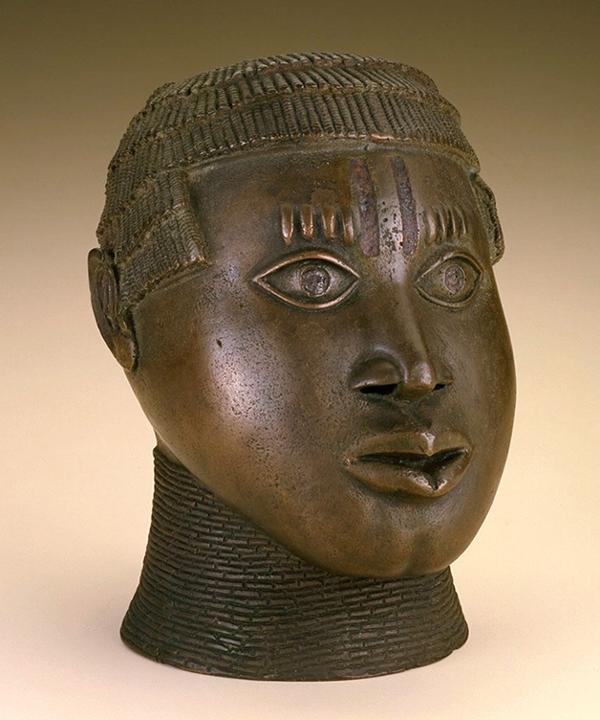
In the US, the Smithsonian Institution is leading the way, revising its policies to allow shared ownership and the return of objects for ethical rather than legal reasons. In October 2022, the Smithsonian’s National Museum of African Art transferred ownership of 22 Benin Bronzes to the National Commission for Museums and Monuments in Nigeria.
Museums might...
• Start by ensuring the museum is in compliance with all current local, national and international law. Review collections and establish a process for flagging any objects with unclear provenance or that might be subject to legal claims for repatriation.
• Engage the board and staff in discussing the following questions:
1. Where does the organisation currently lie on a spectrum of action that encompasses legal compliance, voluntary repatriation of collections, and repatriations for damage inflicted by the museum or by society?
2. How might the museum work productively with communities and individuals who self-identify as having a moral, cultural or legal claim to collections?
3. Where is there agreement, or disagreement, on the values that should guide the museum’s decisions regarding ownership and control of cultural heritage?


Operations Manager
Contract Sales Manager
Membership Advisor
Recreation Assistant/Lifeguard (NPLQ required)
Team Leader
General Manager
General Manager
Swim Manager
Sports Coach


Sports Coach
Swim Teacher
Party Leader
Group Exercise Instructor - Aqua
Swim Teacher
Swim Teacher
Activity and Wellbeing Instructor
Operations Manager - Brentwood School Enterprises
Swim Teacher
GP Exercise Referral Instructor
Duty Manager

Catalogue Gallery



Company profile

Directory
Featured Supplier
Property & Tenders
Company: Lee Valley Regional Park Authority
Company: Newmark
Company: EiA Real Estate
Company: Savills
Company: University of Oxford