




Ultra Marathons: Taking the sport to extremes
Marathons were once the pinnacle of endurance, but now it’s all about the ultramarathon. Kath Hudson talks to Kris King of Beyond the Ultimate


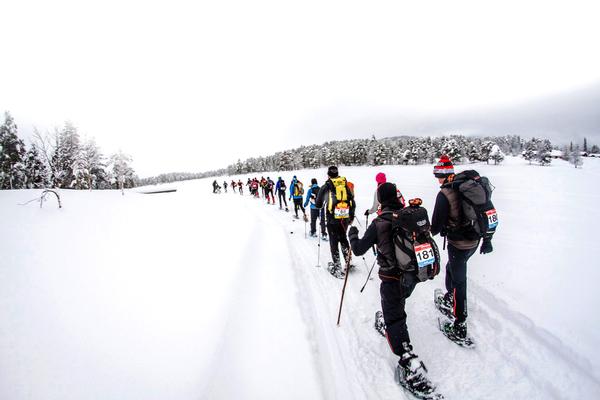
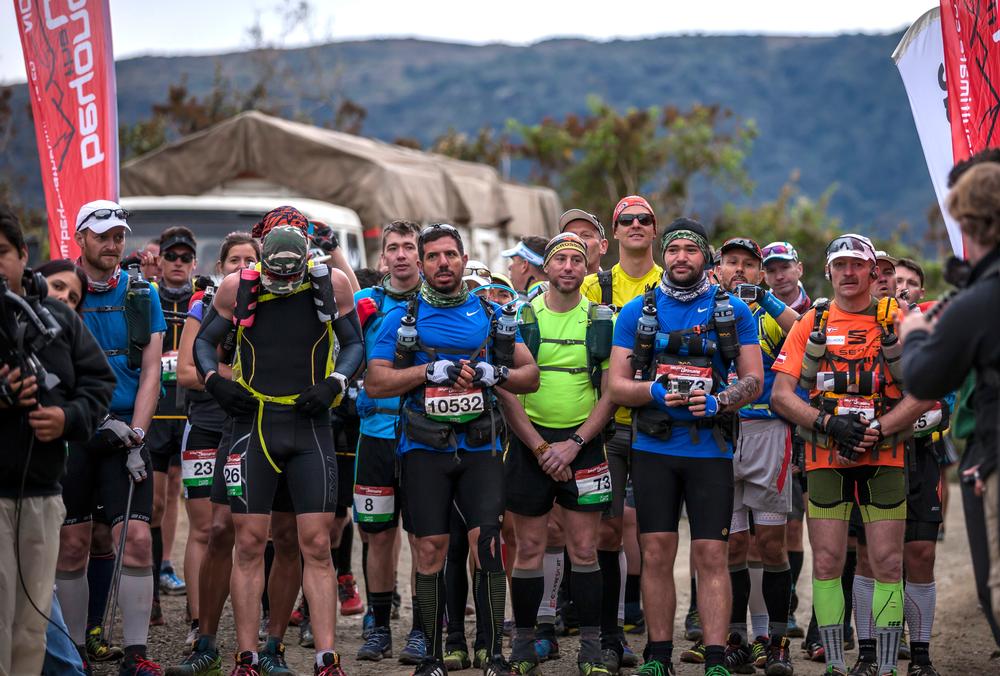
People are moving on from marathons and looking for the next challenge. Ultramarathons are a growing market: there are 700 in the UK alone each year,” says Kris King, co-founder of events company, Beyond the Ultimate, which really does push participants to their very limits.
Beyond the Ultimate’s annual four-race series comprises multi-stage, self-supported ultramarathons in some of the world’s most beautiful, but harsh and inaccessible, environments.
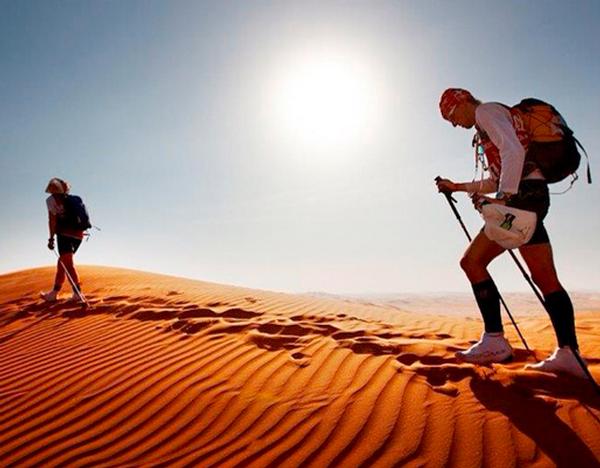
The Antarctic race promises a cold “so raw and real it will burn your skin and freeze your eyes.” While the baking sun in the Namibian desert will “mock your short staggered steps.” The jungle run in Peru is completed in temperatures of 40 degrees, with 100 per cent humidity, while the race in Nepal covers a 38,000sq ft elevation: “your lungs will feel they’re going to explode every step of the way.”
However, one runner’s torture is another runner’s challenge and ultramarathon runners have a grit and determination which means when other recreational runners give up, they dig deep and carry on.
“We set out to provide experiences which challenge people mentally and physically, while showing them a part of the world they wouldn’t normally see,” says King, who has himself run up Mount Kilimanjaro in Tanzania in 11 hours.
An ultramarathon is defined as any race longer than the 26.2 mile marathon. However, this genre is currently broad and takes in anything from a 30 mile race, completed in a day, to multi-stage events, which comprise a marathon-length race for around five days in a row. Self-supported events require the participants to carry packs weighing up to 18k, with all their supplies, including food. Some races require the participants to navigate themselves. As the market matures, it is likely the sub-categories will increasingly be used to describe races.
Despite their toughness and the £2,000 entry fee, King says demand for their events is doubling year on year. So what’s fuelling this appetite for people to be taken so far out of their comfort zone?
“Demand is growing because boundaries are constantly being pushed. Marathons are no longer seen as enough of a challenge: people want races which are tougher,” says King. “There’s kudos in doing an ultra. Ultramarathon runners like to gain respect from other runners, and to tick off events.”
The stress runners put on their bodies, combined with the dangerous environments mean these are difficult events to organise and wouldn’t be possible without the support of locally-based teams.
“What other organisers take for granted becomes a logistical challenge for us: taking water to rainforest checkpoints involves negotiating rope bridges, river crossings and a 6k walk,” says King. “On all checkpoints we need a medic and emergency gear.”
There are rigorous health and safety requirements and all participants have to have insurance, an assessment from their GP and sign a document to say they’ve understood the briefing. But King says they don’t vet people: “You can’t tell who will be capable of it. We had a couple of women complete the jungle ultra who’d never done more than a half marathon, but they paced themselves and walked a lot of it.”
Fatigue, exhaustion, dehydration or hypothermia are often issues in ultra marathons, but these events presents other dangers: meeting a jaguar, snake bites, falling through ice in the Antarctic....
“People die in the gym on treadmills,” says King, “so there’s a possibility the worst might happen, but my fear is more that there would be a death because of us missing something or not reacting in time.”
King reckons it takes about 12 months training to get ready for one of their events, so Beyond the Ultimate has just launched a coaching service, via Skype: “Ultra training is a niche thing,” he says. “Generally people do this sport because they want to be outside, but there might be other things they can do, like taking saunas to get used to the heat.”
The ultramarathon bucket list
Ranked by the Discovery Channel as the toughest footrace on earth, the Marathon des Sables (MDS) is seen as the trailblazer of ultramarathons. Started by Patrick Bauer in 1968, it’s a multi-stage, self-supported 251k (154 miles) race through the Sahara.
Other ultramarathons given bucket-list status by the media are the Badwater Ultramarathon: running from the lowest part of the continental US to its highest point in one uninterrupted 135 mile stint (during July) and Spartathlon, which challenges participants to run the 153 miles between Athens and Sparta in Greece in less than 36 hours.

Membership Advisor
Customer Service Advisor
GP Exercise Referral Instructor
Swim Manager
Food and Beverage Manager
Activity and Wellbeing Coordinator
Team Leader
Duty Manager
Membership Advisor


Swim Teacher
Food & Beverage Assistant





Company profile

Directory
Featured Supplier

Property & Tenders
Company: Lee Valley Regional Park Authority
Company: Newmark
Company: EiA Real Estate
Company: Savills
Company: University of Oxford