




















Exercise stops cancer growth



Exercise has been highlighted as a crucial weapon in cancer patients’ battle against the disease.
Research from Edith Cowan University (ECU) in Perth, Australia, has found that myokines – proteins that are secreted into the blood during exercise – can suppress the growth of cancer cells and trigger mechanisms that destroy them.
A clinical trial saw obese prostate cancer patients undergo regular exercise training for 12 weeks, giving blood samples before and after the exercise programme.
Researchers then took the samples and applied them directly onto living prostate cancer cells.
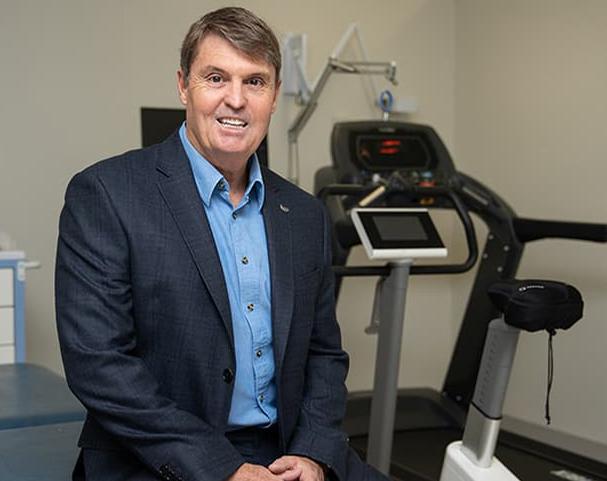
Professor Robert Newton, who supervised the research, said the results help explain why cancer progresses more slowly in patients who exercise.
“The patients’ levels of anti-cancer myokines increased in the three months of the study,” he said.
“When we took their pre-exercise blood and their post-exercise blood and placed it over living prostate cancer cells, we saw significant suppression of the growth of those cells from the post-training blood.
“That’s a substantial finding, indicating that regular exercise creates a cancer suppressive environment in the body.”
While myokines signal cancer cells to grow more slowly – or stop growing completely – they were unable to kill the cells by themselves.
However, myokines can team up with other cells in the blood to actively fight cancer.
Research lead, Jin-Soo Kim, said: “Myokines in and of themselves don’t signal the cells to die, but they do signal to our immune cells – T-cells – to attack and kill the cancer cells.”
The study focused on prostate cancer due to it being the most common non-skin cancer among men and the high number of patient fatalities.
Professor Newton, however, said the findings could have a wider impact.
“We believe this mechanism applies to all cancers,” he said.
The findings of the study were published in a report – called Myokine expression and tumour-suppressive effect of serum following 12 weeks of exercise in prostate cancer patients on ADT – which published in Medicine and Science in Sports and Exercise. To read the full report, click here.




Sports Coach
Sports Coach
Swim Teacher
Party Leader
Group Exercise Instructor - Aqua
Membership Advisor
Swim Teacher
Customer Service Advisor
Swim Teacher


Activity and Wellbeing Instructor
Operations Manager - Brentwood School Enterprises
Fitness Manager
Swim Teacher
GP Exercise Referral Instructor
Duty Manager
Community Activator Coach Apprentice

Catalogue Gallery



Company profile

Directory
Featured Supplier

Property & Tenders
Company: Lee Valley Regional Park Authority
Company: Newmark
Company: EiA Real Estate
Company: Savills
Company: University of Oxford