







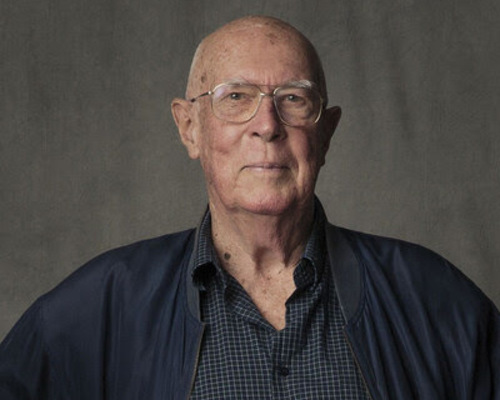














James Mollison, founding director of The National Gallery Australia, dies, aged 88


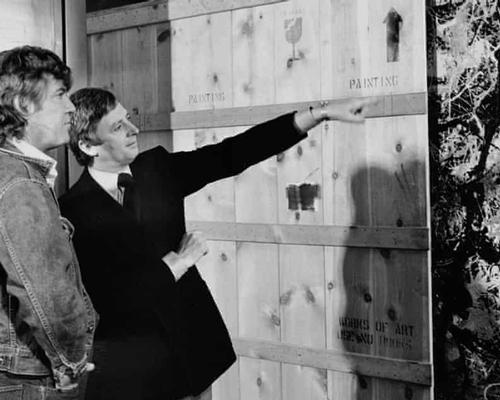
James Mollison, the founding director of The National Gallery of Australia, has died aged 88.
Mollison, who served as director of The NGA from 1977 until 1989, died of a heart attack on 19 January 2020.
He was best known for coordinating the then-controversial acquisition of Jackson Pollock's abstract expressionist painting Blue Poles for AUS$1.3m (US$889,000), a sum that needed to be approved by then prime minister Gough Whitlam, in 1973. The painting is now worth AUS$350m (US$239.3m).
"During 20 years at the helm, he showed us how bold risk-taking could build an unrivalled world-class art collection," the NGA said in a statement.
"In bringing together so many influential and extraordinary works, he wanted visitors to experience art history and leave knowing much more about art than when they first arrived."
Nick Mitzevich, The NGA's current director, paid tribute to Mollison with an instagram post calling Mollison "one of Australia's greatest museum directors", and describing his contribution to the Australian art world as 'monumental'.
"James was part of an era in Australia when big minds asked to think about culture in a new way. He was informed by the past but never limited by it," Mitzevich told the Guardian Australia.
"It's quite a unique job to build a national collection from scratch, and do it without a building. He had 10 years to build the foundations of the collection before the gallery opened in 1982. It's a very unique situation, totally unprecedented in Australia and very rare even around the world," Mitzevich added.

Sports Coach
Sports Coach
Swim Teacher
Party Leader
Group Exercise Instructor - Aqua
Membership Advisor
Swim Teacher
Customer Service Advisor
Swim Teacher


Activity and Wellbeing Instructor
Operations Manager - Brentwood School Enterprises
Fitness Manager
Swim Teacher
GP Exercise Referral Instructor
Duty Manager
Community Activator Coach Apprentice

Catalogue Gallery



Company profile

Directory
Featured Supplier

Property & Tenders
Company: Lee Valley Regional Park Authority
Company: Newmark
Company: EiA Real Estate
Company: Savills
Company: University of Oxford