






















Neolithic find by Stonehenge researchers could prove major tourist attraction


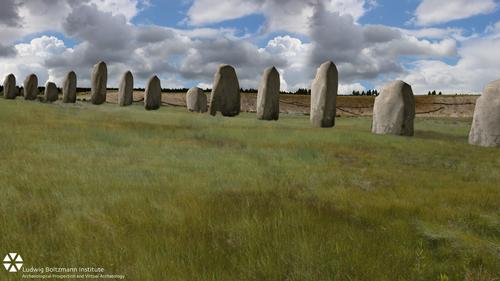
Archaeologists mapping the earth beneath Stonehenge have discovered what has been dubbed “superhenge”, a collection of nearly 100 stone monoliths dating back around 4,500 years.
The stones, which measure up to 15ft (4.5m) in length, are about three feet (10 feet) under the surface at Durrington Walls near Stonehenge. The Stonehenge Hidden Landscapes team which made the discovery have been creating an underground map of the area in a five-year project, with the most recent find being described as “unique” and “on an extraordinary scale”.
Although the stones have not been excavated it is understood they have been fashioned from sarsen blocks and are built around a source for the River Avon.
With the potential to create further tourism opportunities for the area, concerns have been raised about possible site damage from plans to build a road tunnel to cut traffic-flow problems around Stonehenge. The site – which is five times larger than its ‘little brother’ – will become a part of the exhibition at the Stonehenge visitor centre, while plans for unearthing the stones and turning superhenge into a visitor attraction in its own right are currently being considered by the local authority.


Membership Advisor
Sports Coach
Sports Coach
Swim Teacher
Party Leader
Group Exercise Instructor - Aqua
Membership Advisor
Swim Teacher
Customer Service Advisor


Swim Teacher
Activity and Wellbeing Instructor
Operations Manager - Brentwood School Enterprises
Swim Teacher
GP Exercise Referral Instructor
Duty Manager

Catalogue Gallery



Company profile

Directory
Featured Supplier

Property & Tenders
Company: Lee Valley Regional Park Authority
Company: Newmark
Company: EiA Real Estate
Company: Savills
Company: University of Oxford