
















New research shows exercise could help people survive COVID-19


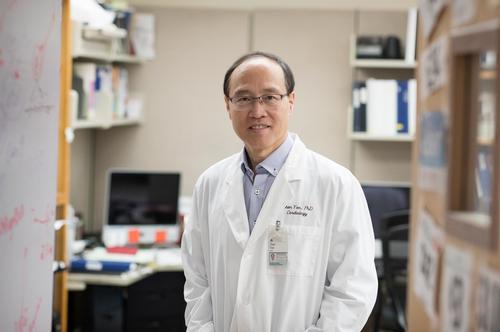
Approximately 80 per cent of confirmed COVID-19 patients have mild symptoms and do not need respiratory support. Professor Zhen Yan at the University of Virginia set out to find out why.
Yan found regular exercise may reduce the risk of complications in people with COVID-19, as well as offering the potential for alternative treatment approaches.
He studied an antioxidant called extracellular superoxide dismutase (EcSOD) that's released in the body during exercise.
His work "strongly supports” the possibility that higher levels of EcSOD in the body can prevent or at least reduce the severity of acute respiratory distress syndrome (ARDS) – one of the worst outcomes of COVID-19.
EcSOD does this by hunting down free radicals, binding to organs and protecting tissue.
“Our findings strongly support that enhanced EcSOD expression from skeletal muscle…which can be redistributed to lung tissue, could be a viable preventative and therapeutic measure in reducing the risk and severity of ARDS," he said.
Research suggests that even a single session of exercise increases the production of the antioxidant, prompting Yan to urge people to find ways to exercise, even while maintaining social distancing.
Cardiovascular exercise is thought to drive the highest immediate levels of EcSOD production, however, strength training increases muscle mass, also playing a part in the equation.
Between three and 17 per cent of people with COVID-19 patients will develop ARDS – this percentage goes up once people are hospitalised to between 20 and 42 percent.
“We often say that exercise is medicine. EcSOD set a perfect example that we can learn from the biological process of exercise to advance medicine,” Yan said. “While we strive to learn more about the mysteries of the superb benefits of regular exercise, we don’t have to wait until we know everything before starting to take advantage of this benefit.”
Low levels of EcSOD are also seen in other diseases, including heart disease, kidney failure and osteoarthritis.
The antioxidant is also being proposed as a potential therapy for diabetic retinopathy, a complication of diabetes that can lead to blindness.
EcSOD also may prove beneficial against multi-organ dysfunction syndrome – in which multiple organs begin to fail.


Sports Coach
Sports Coach
Swim Teacher
Party Leader
Group Exercise Instructor - Aqua
Membership Advisor
Swim Teacher
Customer Service Advisor
Swim Teacher


Activity and Wellbeing Instructor
Operations Manager - Brentwood School Enterprises
Fitness Manager
Swim Teacher
GP Exercise Referral Instructor
Duty Manager
Duty Manager
Community Activator Coach Apprentice


Company profile

Directory
Featured Supplier

Property & Tenders
Company: Lee Valley Regional Park Authority
Company: Newmark
Company: EiA Real Estate
Company: Savills
Company: University of Oxford