















Opening School Facilities programme is a resounding success, but funding is not continued



The three-year Opening School Facilities initiative smashed all targets according to a report into its impact, which is being fed back to the UK government.
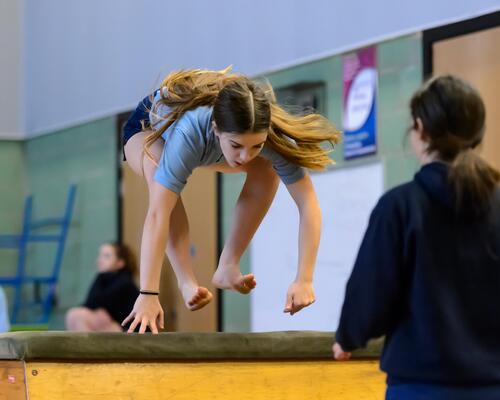
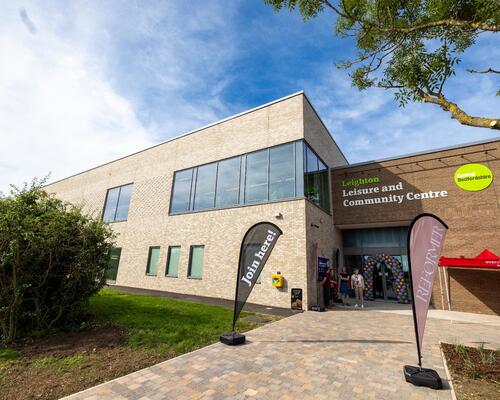
Funded by £57 million from the Department for Education, the programme allowed schools to open facilities outside of the school day for pupils and members of the local community to take part in movement, physical activity and sport sessions.
Running from January 2023 until March 2025, the initiative was implemented by a consortium of partners, including the Active Partnerships National Organisation (APNO), Street Games, UK Active and Youth Sport Trust. They worked alongside 42 local Active Partnerships who used their local knowledge to approach schools who would benefit most from the funding.
The main – but not exclusive – targets were women and girls; those living in low-income areas; ethnically diverse communities, and projects supporting people with special educational needs, disabilities or long-term health conditions.
The report shows that 251,543 pupils and 93,264 members of the local community took part in 189,071 activity sessions at 1,580 schools.
The programme also made a vital contribution to the physical development in Early Years children, especially those who had missed out on key experiences during the pandemic.
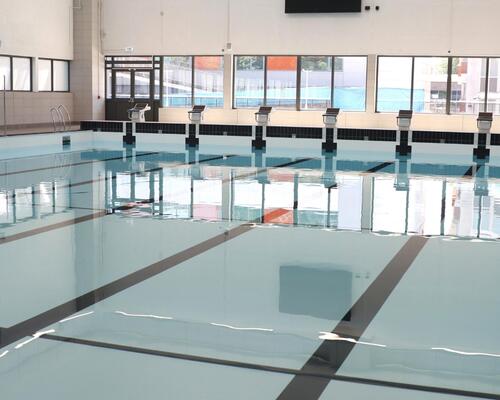
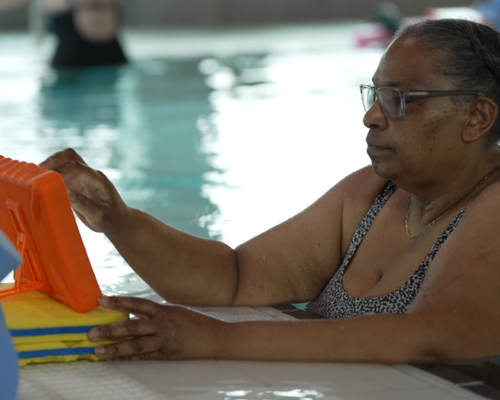
Swimming was also a focus with 568 swimming projects funded, including opening pools to the community and even local care home residents.
The funding allowed a wider range of activities to be offered, including yoga, archery, climbing, roller sports, fencing and handball.
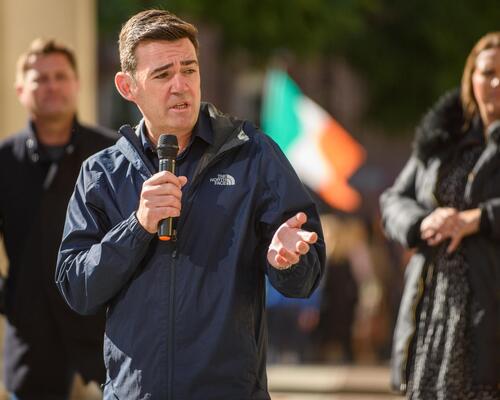
Despite the success of the project, the government has not renewed the funding, although some of the projects have managed to continue. UK Active CEO, Huw Edwards, says this is disappointing: “The Opening School Facilities programme was a great success and helped get hundreds of thousands of children active. Despite this, the programme has not been extended by the government, which is frustrating for the physical activity sector.
“The decision to not continue programmes like this means young children have more limited access and opportunities to get active and experience the physical, mental and social benefits of physical activity.
“The government needs to take advantage of the leisure and sport facilities which are available and ready to support programmes like OSF. In light of this decision, the government must continue working with the sector to find new ways to support young people and get them more active.”
The government recently unveiled a new approach to school sport with the ambition that girls should be given the same opportunities as boys and those with special needs and disabilities would also have equal access.
Yesterday (6 August) the government announced a £88 million funding package for schools and youth clubs aimed at getting children away from their phones to interact in spaces where they can learn life skills.
Only £22.5 million is new money and will be used to fund extracurricular activities in up to 400 schools over the next three years. The remaining £65.5 million was announced in the June spending review and will be spent on improving youth club infrastructure, targeted at areas with high levels of child poverty and high rates of antisocial behaviour.
The report is available to download here

Swim Teacher
Swim Teacher
Fitness Manager
Operations Manager
Contract Sales Manager
Membership Advisor
Recreation Assistant/Lifeguard (NPLQ required)
Team Leader
General Manager


General Manager
Swim Manager
Sports Coach
Sports Coach
Swim Teacher
Group Exercise Instructor - Aqua
Swim Teacher
Swim Teacher
Activity and Wellbeing Instructor
Swim Teacher
GP Exercise Referral Instructor
Duty Manager




Company profile

Directory
Featured Supplier

Property & Tenders
Company: Lee Valley Regional Park Authority
Company: Newmark
Company: EiA Real Estate
Company: Savills
Company: University of Oxford