

















'Night owls' find it harder to exercise: study



‘Night owls’ – people who go to bed and wake up later – are likely to be more sedentary and struggle to maintain an exercise schedule than those who get an early night’s sleep, according to a new study.
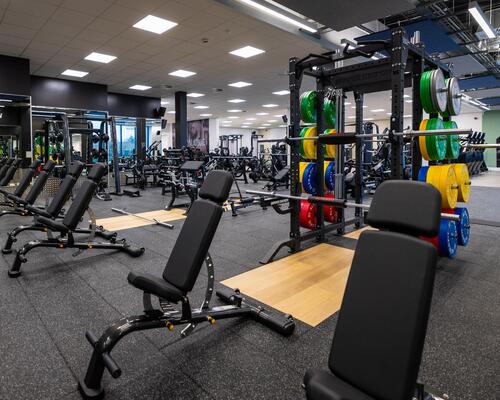
Despite the growth in popularity of 24-hour gyms in recent years, it seems that late nights are more of a hindrance than a help when it comes to staying in shape.
Researchers at Northwestern University in Chicago, Illinois, found that night owls reported spending more time and perceive more barriers to exercise, including not having enough time for exercise and being unable to stick to an exercise schedule regardless of what time they actually went to bed or woke up.
“We found that even among healthy, active individuals, sleep timing and circadian preference are related to activity patterns and attitudes toward physical activity,” said principal investigator Kelly Glazer Baron, PhD, associate professor of neurology and director of the Behavioral Sleep Medicine Program at the Feinberg School of Medicine at Northwestern University.
“This was a highly active sample averaging 83 minutes of vigorous activity per week. “Even among those who were able to exercise, waking up late and being an evening person meant exercise was perceived as more difficult.”
The study group comprised 123 healthy adults with a self-reported sleep duration of at least 6.5 hours. Sleep variables were measured by seven days of wrist actigraphy along with sleep diaries. Self-reported physical activity and attitudes toward exercise were evaluated by questionnaires including the International Physical Activity Questionnaire.
According to Baron, the study suggests that circadian factors should be taken into consideration as part of exercise recommendations and interventions, especially for less active adults.
“Sleep timing should be taken into account when discussing exercise participation,” she added. “We could expect that sleep timing would play even a larger role in a population that had more difficulty exercising.”
The research abstract was published recently in an online supplement of the journal Sleep.


Community Activator Coach Apprentice
Membership Advisor
Customer Service Advisor
GP Exercise Referral Instructor
Swim Manager
Food and Beverage Manager
Activity and Wellbeing Coordinator
Membership Advisor
Food & Beverage Assistant



Catalogue Gallery



Company profile

Directory
Featured Supplier

Property & Tenders
Company: Lee Valley Regional Park Authority
Company: Newmark
Company: EiA Real Estate
Company: Savills
Company: University of Oxford