






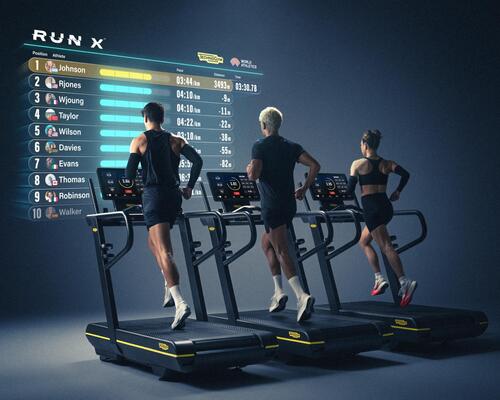





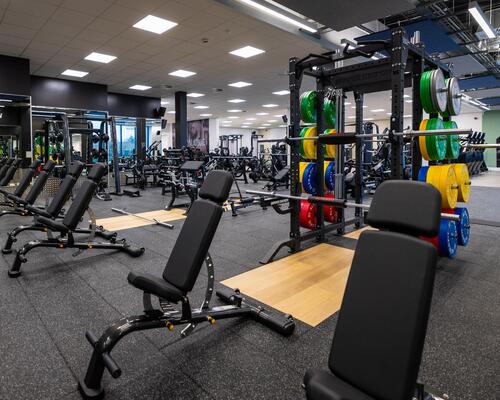



Have scientists cracked the brain's code for exercise motivation?



Scientists may have discovered the part of the brain responsible for exercise motivation, according to a study in the Journal of Neuroscience.
The research, conducted by scientists at both the Seattle Children’s Research Institute’s Centre for Integrative Brain Research and the University of Washington, has concluded that the dorsal medial habenula section of the brain controls the desire to exercise in mice.
The findings could prove particularly pertinent given that the structure of the habenula is similar in humans and rodents, potentially meaning that basic functions in mood regulation and motivation are likely to be the same across the two species.
As part of the research, the scientists genetically engineered a group of mice that had their signals blocked from the dorsal medial habenula.
The findings then showed that the group of mice became lethargic and ran far less than typical mice, while they also lost their preference for drinking sugary water.
In another group of mice, scientists were able to activate the dorsal medial habenula using optogenetics, with the specimens being given the choice to activate the habenula region by turning one of two wheels with their paws.
As the researchers observed the mice, it was shown that the specimens preferred to turn the wheel that stimulated the dorsal medial habenula, creating a link between rewards for specific behaviours and actions.
In the long run, if a link is found in the human brain too, gym-goers could potentially unlock the key to more motivation in the gym, helping to aid physical fitness, as well as the businesses providing health and fitness services.
In the short term, some scientists believe that the research could help to strengthen the development of more efficiently targeted treatments for depression.
Other pieces of research have also explored how people can improve their own levels of motivation when exercising, with one study suggesting that recalling former glories could help to inspire more positive workouts.
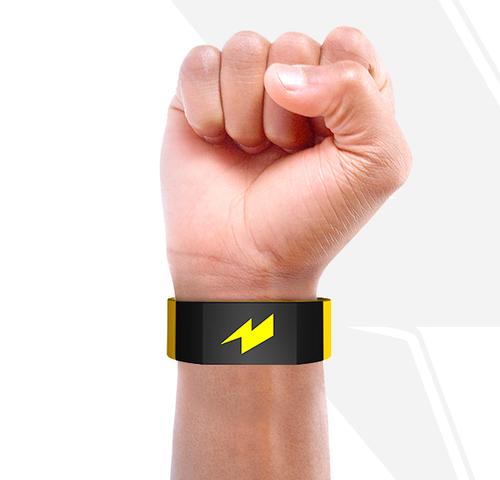
Some companies have looked to cash in on a public desire to improve motivation and kick bad behaviours. For example, the Pavlok tracking wristband has been designed to give away your money, shame you on social media, or even deliver a 340v static shot if you slip back into bad habits.



Community Activator Coach Apprentice
Membership Advisor
Customer Service Advisor
GP Exercise Referral Instructor
Swim Manager
Activity and Wellbeing Coordinator
Membership Advisor
Food & Beverage Assistant




Company profile
Directory
Featured Supplier
Property & Tenders
Company: Lee Valley Regional Park Authority
Company: Newmark
Company: EiA Real Estate
Company: Savills
Company: University of Oxford