


















Rio's waters put Olympic athletes at 'high risk' of violent illness


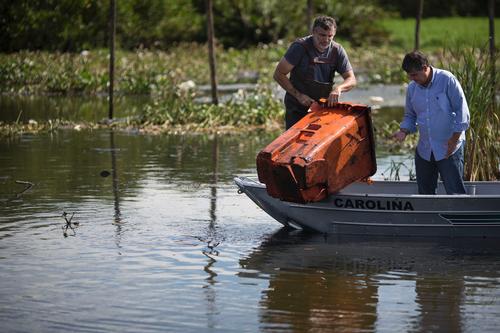
The Rio de Janeiro water which athletes will be swimming and sailing in for the 2016 Olympic Games contains so much human faeces that competitors will be at high risk of becoming violently ill, according to an investigation by the Associated Press.
The AP analysis of Rio’s waters at Olympic and Paralympic venues showed dangerously high levels of viruses and bacteria found in human waste as thirty-seven samples were checked for adenovirus, rotavirus, enterovirus and faecal coliforms.
Some competitors training in Rio in preparation for next year’s games have already fallen ill with fever, vomiting and diarrhoea, but Brazilian officials have given assurances that the water will be safe in time for the Games.
The waters tested by the AP found that contact with disease-causing viruses were measured at up to 1.7 million times the level of what would be considered hazardous on a Southern California public beach.
Most of Brazil’s major and medium-sized cities are struggling with increasing water pollution. Coastal cities – Rio de Janeiro, São Paulo and Recife in particularly – suffer effects of upstream residential and industrial sewage contaminating feeder rivers, lakes and the ocean. Much of the problems have been attributed not only heavy pollution from sewage, but also leaking landfills, and industrial waste dumpage.
Efforts have been made in the past to reduce pollution levels in the waters of Brazil’s metropolises, most notably in São Paulo where there was a US$400m (€366.2m, £257.7m) cleanup effort. The Tietê River cleanup proved fruitless, however the level of dissolved oxygen has returned to the critical level of 1990 at 0 mg per litre due to increased levels of unregulated sewerage, phosphorus, and ammonia nitrogen discharged into the river. Sabesp, the state water company, has said to clean up the Tietê River alone would cost a minimum of US$1.7bn (€1.56bn, £1.1bn) – a similar figure likely for a city such as Rio.
The International Olympic Committee (IOC) has said it will order its own test for disease-causing viruses in the waters athletes will compete in at next year’s Games.
“The World Health Organisation is recommending viral testing,” said IOC medical director Dr Richard Budgett. “We’ve always said we will follow the expert advice, so we will now be asking the appropriate authorities in Rio to follow the expert advice which is for viral testing.”




Community Activator Coach Apprentice
Membership Advisor
Customer Service Advisor
GP Exercise Referral Instructor
Swim Manager
Food and Beverage Manager
Activity and Wellbeing Coordinator
Membership Advisor
Food & Beverage Assistant







Company profile
Directory
Featured Supplier
Property & Tenders
Company: Lee Valley Regional Park Authority
Company: Newmark
Company: EiA Real Estate
Company: Savills
Company: University of Oxford