
















Half of natural World Heritage sites threatened by crime, says WWF report



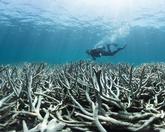
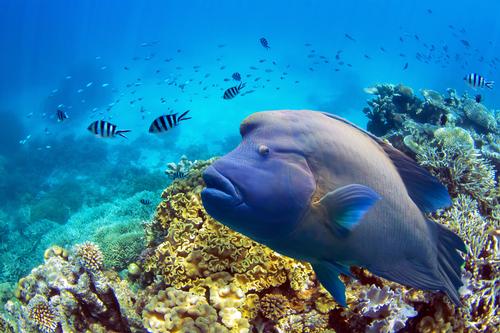
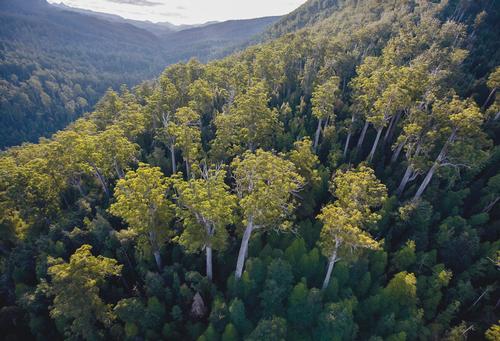
The World Wildlife Fund (WWF) has said that close to half of the world’s natural heritage sites are being “plagued” by wildlife criminals.
According to figures released by the conservation charity, crimes of illegal poaching, logging, harvesting and trafficking are rampant in places recognised as being of outstanding international importance and allocated the highest levels protection.
The WWF report, titled Not For Sale, looks at threats to species that are already protected under the Convention on the International Trades in Endangered Species (Cites). It found that under-threat animals and plants are being poached or illegally harvested across 45 per cent of the world’s natural heritage sites.
The report says that current approaches to prevent illegal trade within world heritage sites are failing, with the suggestion that there is “urgent need” for greater collaboration between CITES and Unesco.
In addition to being identified as sites of international importance that need to be protected, more than 90 per cent of natural World Heritage sites actively support recreation and tourism, creating jobs and stimulating local economies. Of the world’s officially-designated 200 natural heritage sites, Unesco lists 74 per cent of them as ‘in danger’.
The illegal trade of rare animals has been valued at around US$19bn (€17.8bn, £15.2bn) a year. The unlicensed timber trade is reportedly responsible for a staggering 90 per cent of deforestation in major tropical countries. The WWF study also says that between 2009 and 2016, 595 park rangers have died while protecting designated heritage sites.
“This report provides a range of options to further enhance coordination between CITES and the World Heritage Convention, focused around World Heritage sites,” said John Scanlon, CITES secretary-general.
“It is essential that CITES is fully implemented and that these irreplaceable sites are fully protected. In doing so, we will benefit our heritage and our wildlife, provide security to people and places, and support national economies and the rural communities that depend on these sites for their livelihoods.”


Duty Manager
Recreation Assistant (Dry Site)
Team Leader (Dry Site)
Community Activator Coach Apprentice
Membership Advisor
Customer Service Advisor
GP Exercise Referral Instructor
Activity and Wellbeing Coordinator
Food & Beverage Assistant







Company profile

Directory
Featured Supplier

Property & Tenders
Company: Lee Valley Regional Park Authority
Company: Newmark
Company: EiA Real Estate
Company: Savills
Company: University of Oxford