

















Coconuts can inspire us to make stronger buildings, say scientists


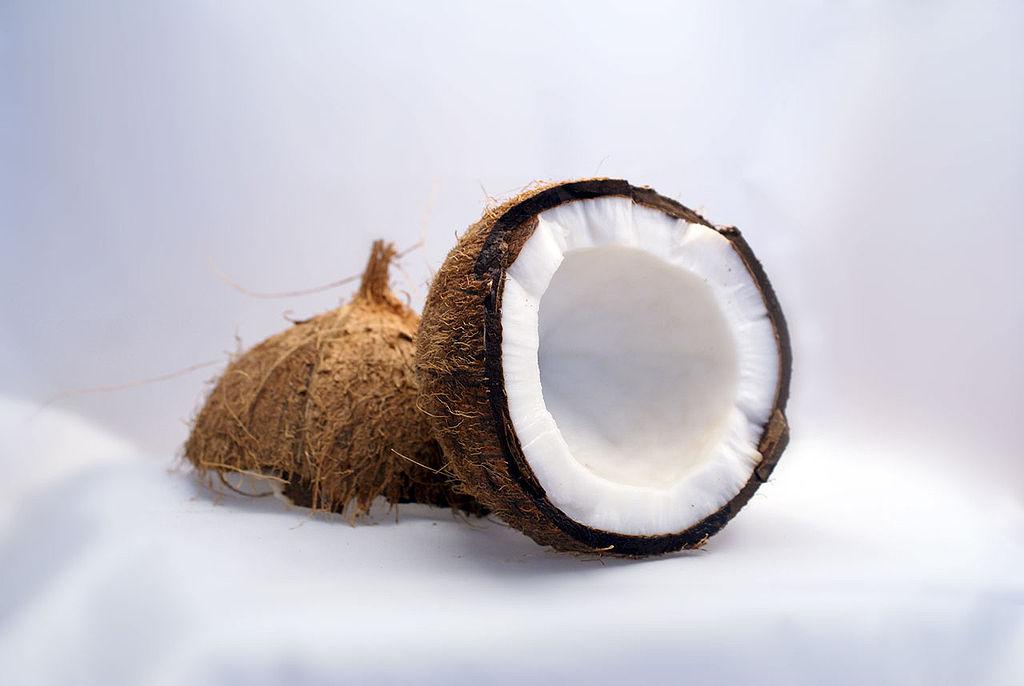
The hard shells of coconuts could hold the key to designing buildings able to withstand earthquakes and other natural disasters, researchers from the University of Freiburg have claimed.
Coconut palms can grow as high as 30m, and when the ripe fruits fall to the ground their walls must protect them from splitting open. To protect the internal seed, coconuts have a structure of three layers which allow them to withstand heavy impacts.
The university’s Plant Biomechanics Group believes this specialised structure could be applied in architecture, and has been working with civil engineers and material scientists to develop this idea as part of a programme called Biological Design and Integrative Structures.
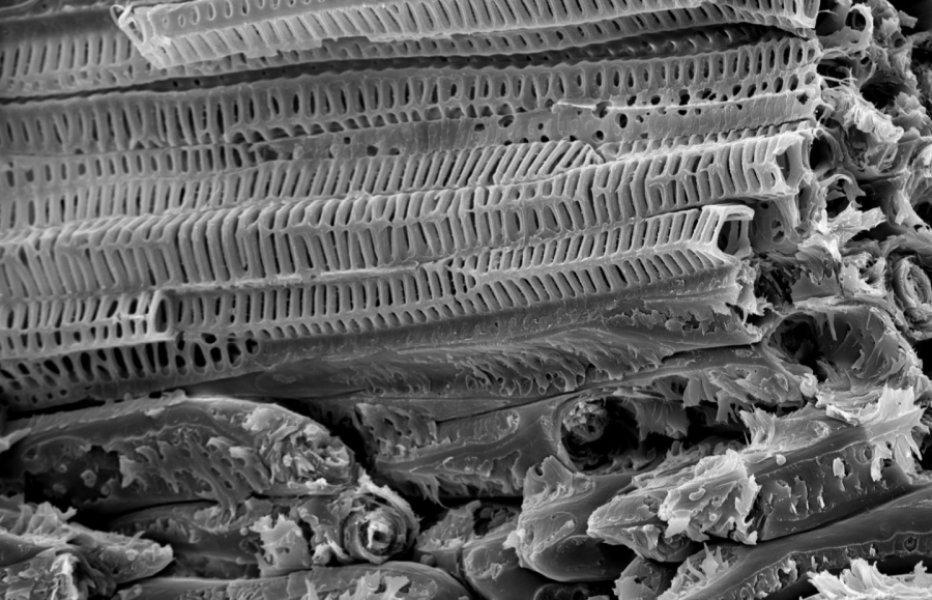
"By analysing the fracture behaviour of the samples and combining this with knowledge about the coconut shell's anatomy gained from microscopy and computed tomography, we aimed to identify mechanically relevant structures for energy absorption," said plant biomechanist Stefanie Schmier.
The group found that the ladder-like design of vessels in the coconut’s inner endocarp layer “dissipates energy via crack deflection," meaning newly-developed cracks created by an impact don't run directly through the hard shell, but are diverted and stop before the crack separates the fruit.
Schmier believes a similar arrangement of textile fibres within functionally graded concrete could create the same effect. "This combination of lightweight structuring with high energy dissipation capacity is of increasing interest to protect buildings against earthquakes, rock fall and other natural or manmade hazards," she said.
Architects and constructors are increasingly looking at the natural world to create buildings that are stronger and more efficient.
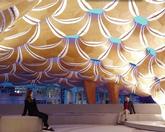
Advances in technology and understanding of biomimicry gave lead to the development of pavilions inspired by sea urchins and beetle wings and hotels resembling coral.


Membership Advisor
Customer Service Advisor
GP Exercise Referral Instructor
Swim Manager
Food and Beverage Manager
Activity and Wellbeing Coordinator
Team Leader
Duty Manager
Membership Advisor


Swim Teacher
Food & Beverage Assistant

Catalogue Gallery



Company profile

Directory
Featured Supplier
Property & Tenders
Company: Lee Valley Regional Park Authority
Company: Newmark
Company: EiA Real Estate
Company: Savills
Company: University of Oxford