
















New physical activity resource published for local authorities and health professionals


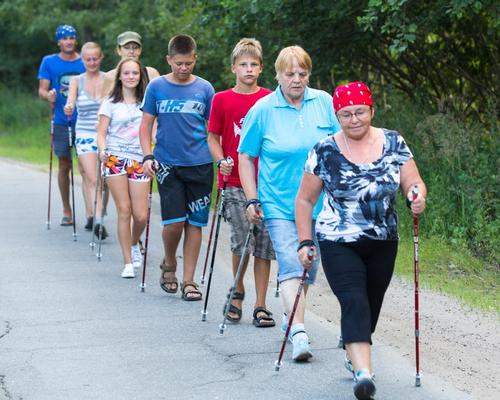
People living in the UK are likely to be 35 per cent less active in 2030 than they were in the 1960s – unless current trends of increases in inactivity are reversed.
The warning comes from Public Health England (PHE), as it today (19 July) published the latest edition of its Health matters: getting every adult active every day guidance document – a resource designed for health professionals and local authorities looking to encourage more people to become physically active.
In the guidance, PHE calls for renewed efforts to promote physical activity as an integral part of having a healthy lifestyle.
“Lack of physical activity is costing the UK an estimated £7.4bn a year, including £0.9bn to the NHS alone,” the report says.
“Persuading inactive people (those doing less than 30 minutes per week) to become more active could prevent one in ten cases of stroke and heart disease in the UK and one in six deaths from any cause.”
Among the report’s recommendations is the urge to "normalise" physical activity, as people are more likely to be active if their friends and peers are also active.
“Large, community-wide campaigns have been effective in increasing physical activity, but only when supported by local level community activities,” the report says.
The guidance also calls for increased emphasis on creating “active environments”.
The report states: “Environment shapes behaviour and this has been a major factor in discouraging people from activity. Our homes, workplaces and local environments have been shaped to make it difficult to be physically active.
“For most people, the easiest and most acceptable forms of physical activity are those that can be incorporated into everyday life, such as walking or cycling. But our neighbourhoods and towns and studies have largely been designed around the car.
“Switching more journeys to active travel will improve health, quality of life and the environment, and local economy, while at the same time reducing costs to the public purse.
“Pedestrians, cyclists, and users of other modes of transport that involve physical activity need the highest priority when developing or maintaining streets and roads.”
To read and download the full guidance document, click here



Membership Advisor
Customer Service Advisor
GP Exercise Referral Instructor
Swim Manager
Food and Beverage Manager
Activity and Wellbeing Coordinator
Team Leader
Duty Manager
Membership Advisor


Swim Teacher
Food & Beverage Assistant

Catalogue Gallery



Company profile

Directory
Featured Supplier
Property & Tenders
Company: Lee Valley Regional Park Authority
Company: Newmark
Company: EiA Real Estate
Company: Savills
Company: University of Oxford