










WHO urges governments to raise $1 trillion for health by taxing alcohol and sugar



The World Health Organization (WHO) has released two global reports calling on governments around the world to raise additional funds for preventative health interventions by increasing taxes on alcohol and sugary drinks.
The call for these taxes is part of a campaign WHO launched last year, called 3 by 35. This is a global initiative to increase the real prices of three “harmful products” – tobacco, alcohol and sugary drinks – by at least 50 per cent by 2035 through tax increases.
WHO expects this to raise an additional US$1 trillion (€0.92 trillion, £0.79 trillion) in public revenue globally over the next decade.
The organisation’s hope is for these funds to be used to support health systems that are facing financial pressure from preventable non-communicable diseases and injuries.
“Health taxes are one of the strongest tools we have for promoting health and preventing disease," said Dr Tedros Adhanom Ghebreyesus, WHO director-general. "By increasing taxes on products such as tobacco, sugary drinks and alcohol, governments can reduce harmful consumption and unlock funds for vital health services.”
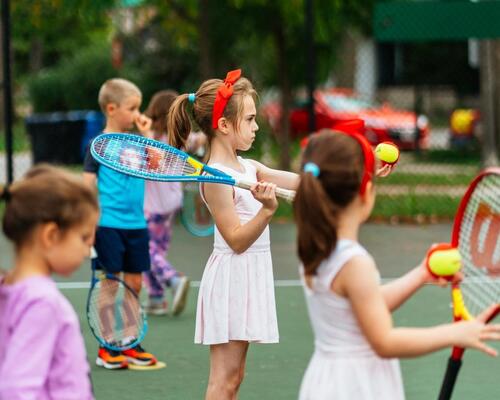
Funds raised could provide opportunities for wellness, spa operators, health and fitness operators to provide support for wellness interventions, such a physical activity programmes for children and nutrition and exercise education programmes – perhaps on prescription – in health-adjacent settings.
The WHO warns sugary drinks and alcoholic beverages are getting cheaper, which it sees as a major driver of obesity, heart disease, cancers and injuries – especially in children and young adults.
Sugar
The Global Report on the Use of Sugar-Sweetened Beverage Taxes 2025 shows that at least 116 countries tax sugary drinks. These include sodas, but other high-sugar products, including sweetened milk drinks and ready-to-drink coffees, go untaxed.
Current sugary drink taxes are seen by WHO as weak and poorly targeted, with the median tax accounting for around 2 per cent of the price of a common sugar-sweetened soda.
The report highlights that 97 per cent of countries tax energy drinks.
Countries levying taxes against sugary drinks include France, Ireland, Chile, Hungary, Mexico and the UK, among others.
The UK government, which introduced its soft drinks levy in 2018, announced the extension of its levy on soft drinks at the end of last year "to protect children and improve health." These proposals include taxes on sugary milk-based drinks, which it says could cut 17 million calories a day from the nation's daily intake and help prevent cancer, heart disease and stroke.
Some positive effects of the levy have included the prevention of more than 5,000 cases of obesity a year in year-six girls and a reduction in the number of under-18s having a tooth removed due to tooth decay by 12 per cent.
The extension to the levy is taking place because although there have been positive health effects, the latest NHS data shows childhood obesity inequalities are widening rather than narrowing. Children from the most deprived areas are now twice as likely to be obese as those from the least deprived areas – a gap that has widened since 2009.
Prepackaged drinks with added sugar containing between 4.5g and 7.9g of total sugar per 100ml will be taxed at a rate of £1.94 per 10 litres (19.4p per litre).
Prepackaged drinks with more than 8g per 100ml will be taxed at a rate of £2.59 per 10 litres (25p per litre).
What's it spent on?
It's worth noting that the tax revenue generated by the soft dinks levy in the UK isn't ring-fenced for health spending.
This means sectors delivering the services that would make the population healthier, such as the sports industry, have not seen the funding they require – they have seen cuts instead. UK Active, the UK sport industry's non-profit body for gyms, leisure centres and providers, recently called for a bolder governmental strategy to tackle inactivity levels.
Alcohol
The Global Report on the Use of Alcohol Taxes 2025 shows at least 167 countries levy taxes on alcoholic drinks, while 12 ban alcohol entirely.
The research shows that alcohol has, however, become more affordable or prices have remained unchanged in most countries since 2022 as taxes fail to match inflation and income growth.
The data shows tax shares on alcohol remain low, with global excise share medians of 14 per cent for beer and 22.5 per cent for spirits.
WHO singles out wine as a beverage that remains untaxed in at least 25 countries, mostly in Europe.
Last year, a report published by the US Surgeon General called for cancer risk warnings on alcoholic beverages, similar to labels found on tobacco products. The report called for recommended limits for consumption to be reassessed too as alcohol increases the risk of developing at least seven types of cancer: mouth, throat, voice box, esophagus, breast, liver, colon and rectum.
Consumer awareness of the dangers of alcohol remains low, in spite of the International Agency for Research on Cancer categorising it as a Group One carcinogen, in the same category as tobacco, radiation and asbestos.
The WHO published a statement in 2022 saying that there is no safe amount of alcohol consumption that does not affect health.
Wellness industry
Alcohol sales remain a major revenue driver in hospitality settings.
Health taxes on alcohol sold in these locations pose pricing challenges in an industry that is already facing increasing operational costs such as inflation, energy price fluctuations, food costs and squeezed margins.
Opportunities remain, however, for spas and wellness operators who can align themselves with governments seeking to reduce the strain on their healthcare systems.
Operators seeking to help people get healthy, avoid taxation and take advantage of potential new governmental funds could highlight their ability to deliver mindfulness eating programmes, exercise sessions in settings with alcohol-free drinks and low-sugar, nutritious food.

Swim Teacher
Swim Teacher
Fitness Manager
Operations Manager
Contract Sales Manager
Membership Advisor
Recreation Assistant/Lifeguard (NPLQ required)
Team Leader
General Manager


General Manager
Swim Manager
Sports Coach
Sports Coach
Swim Teacher
Group Exercise Instructor - Aqua
Swim Teacher
Swim Teacher
Activity and Wellbeing Instructor
Swim Teacher

Catalogue Gallery


Company profile

Directory
Featured Supplier
Property & Tenders
Company: Lee Valley Regional Park Authority
Company: Newmark
Company: EiA Real Estate
Company: Savills
Company: University of Oxford