










Milan Wellness Hospitality Conference tackles design and operation realities for wellness facilities


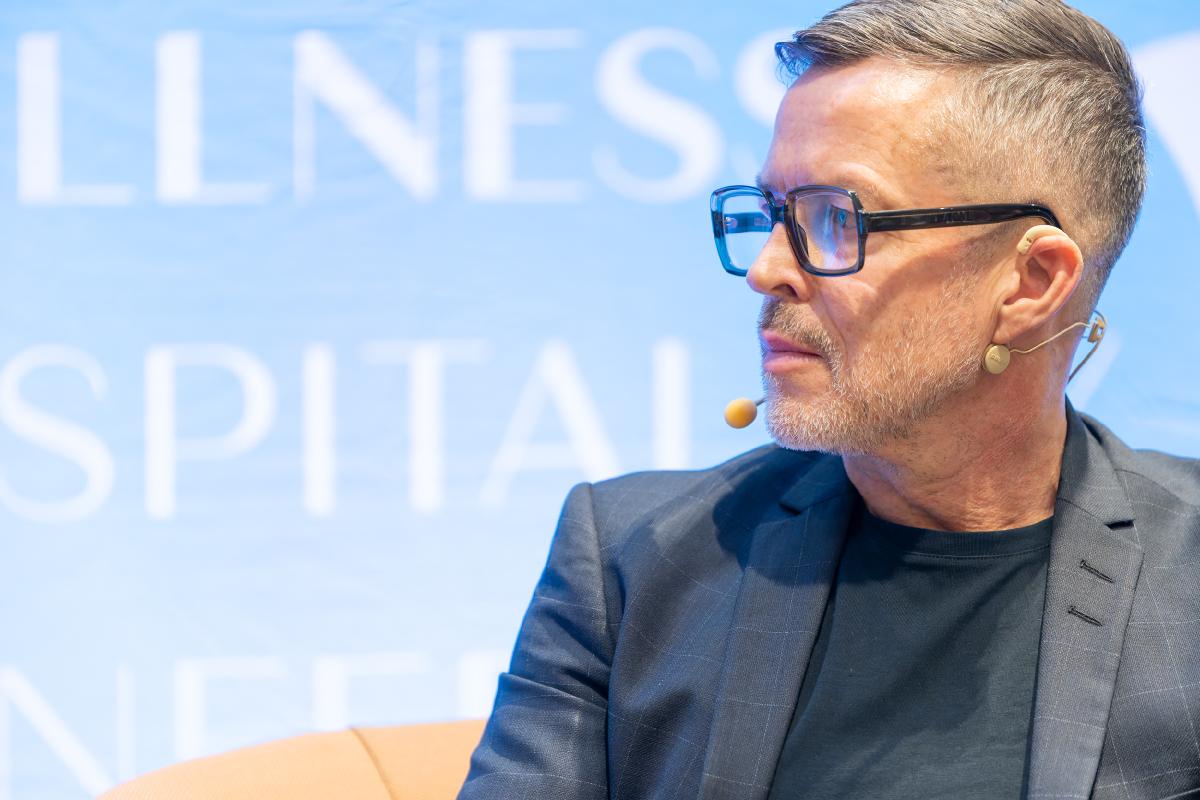
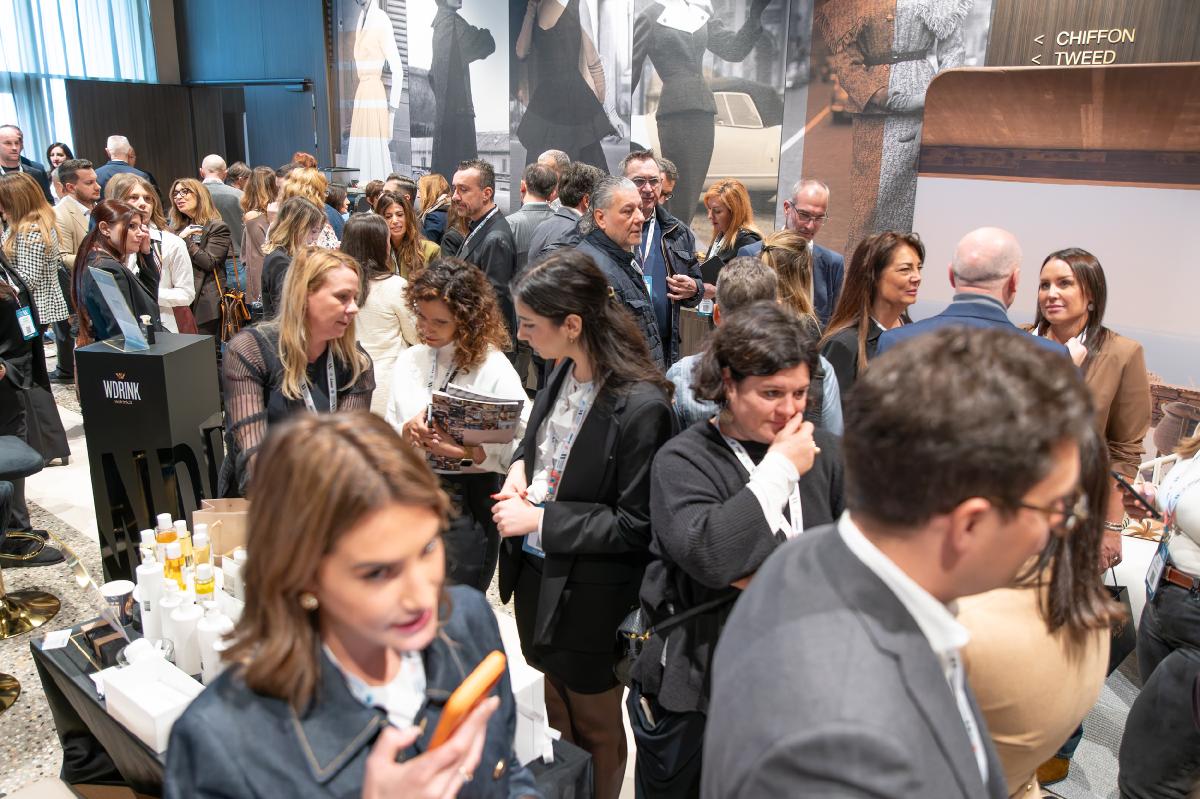
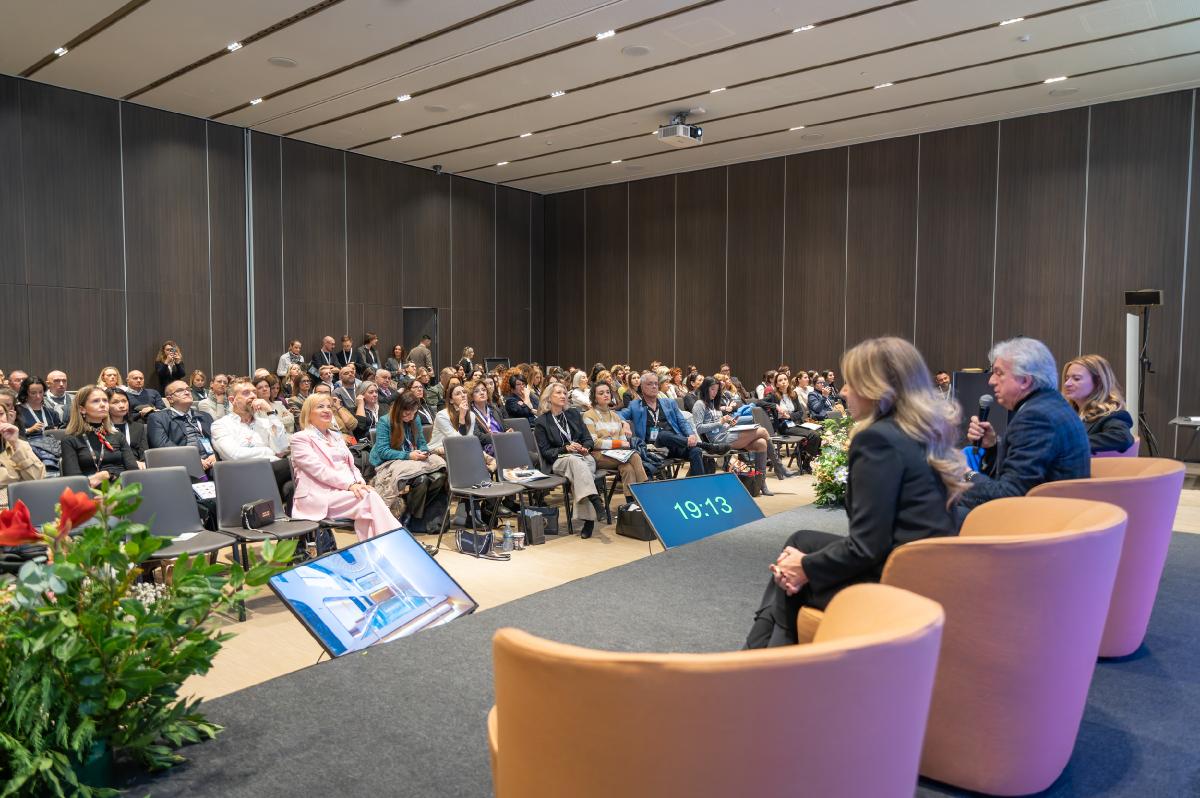
More than 30 industry speakers took part in discussions about wellness hospitality design and operations during the Wellness Hospitality Conference on 2 December at the NH Hotel Milano CityLife in Milan, Italy.
The third edition of the one-day event was organised by consulting and training company Teamwork Hospitality in partnership with sponsor Lemi Group.
Presentations were dedicated to tourism and the wellness economy, longevity and its impact on the hospitality sector, design, future trends, plus spa revenue and operations management.
How to bring consumers joy
László Puczko, CEO and co-founder of HTWWLife, highlighted how wellness is not new and he doesn’t understand why hotels are trying to redefine it (often with longevity medicine and facilities). The kinds of experiences consumers want, in his opinion, are those that piggyback on what gyms and fitness or wellness centres are already offering, which bring consumers joy.
He outlined the key foundations for offerings that create “resonance,” which he defines as being important to helping people “slow down and open up to affection, emotion and transformation.”
These foundations include group experiences, emotional connection, personalised attention, a vibrant social atmosphere, an established rapport from the outset between operator and customer and an expectation for flexible service delivery.
Global brands’ approaches to wellness hospitality
During a panel discussion moderated by Jean-Guy de Gabriac, founder of World Wellness Weekend, delegates learned about the difference in global approaches taken by operators Rosewood, Starwood Hotels and Accor.
Daniel Poulin, senior director of wellness operations for Accor’s brands Sofitel, MGallery, Emblems and The Purist, told delegates about upcoming properties around the world and how branding his being used to differentiate them.
For example, Poulin said The Purist is the wellness label applied to Sofitel or Pullman properties. It has been created for properties that put wellness at the core of their offering and provides those sites with a strong commercial plan to bring in wellness guests to improve low seasonality performance.
Poulin added that the Emblem brand is for a collection of landmark hotels that are also boutique hotels. These include:
- Relais San Clemente, Emblems Collection, which will open in Perugia, Italy, in 2026 with a focus on family stays. The 51-key hotel is in a converted 14th-century Benedictine convent in an estate neighboured by medieval castles, ancient abbeys and lush landscapes. It will also have a spa, gym and lagoon pool.
- Masseria Furnirussi, Emblems Collection, in Apulia, Italy, which will provide a natural sanctuary with various botanical wellness elements – including what Poulin called the largest fig tree orchard in Europe. It will have 60 rooms and suites with plunge pools, a spa, gym, park and a lagoon pool.
- Rimrock Banff, Emblems Collection, will open in July 2026 following a renovation that began earlier this year. Owned by Oxford Properties Group and a capital partner, the resort will offer a social bathing concept with vitality pools, ice immersion bathing and panoramic saunas. It will also have a high-performance fitness centre, meditation rooms and movement studios. The thermal circuit will only be for hotel guests to visit and will not have any treatment rooms. This is a similar model to the newly-launched Basin Glacial Waters bathing complex that launched at Fairmont Chateau Lake Louise in Alberta, Canada – a site which is also owned by Oxford Properties Group and a capital partner. And Fairmont is another luxury Accor brand.
Alena Stavnjak, corporate director of spa for Starwood Hotels, shared the new design of a membership programme for guests of the 1 Hotels luxury lifestyle brand that will allow guests to personalise their full hotel experience. This includes preferences relating to sleep (options for room temperature and bedding), taste (food and allergies) and interests (learning what different customers want in terms of activities and wellness).
Stavnjak added that 86 per cent of guests coming for these stays are having their preferences met.
Magdy Abdelaty, director of wellness for The Chancery Rosewood in London, UK, spoke about how the property he manages is offering the highest nightly rate in London and yet occupancy has been 95 per cent since day one (when it launched in September). Guests are largely from the Middle East and they are staying for seven to 14 days. The Asaya Spa at this location is seen as a blueprint for the brand.
Abdelaty and Stavnjak agreed that they are looking to meet client demand for certain longevity-focused medi-spa services, with Stavnjak saying that in urban properties that have less space Starwood will partner with local IV therapy providers. Poulin, however, was torn on the issue, saying that while Accor offers wellness programmes, it’s hard to promise longevity to guests whose stays last, on average, 1.6 days.
Wellness hospitality design
Emlyn Brown, group director of spa, leisure and wellness at Mandarin Oriental, gave a presentation on wellness hospitality design and the shift away from a mindset that historically prioritised “heads-on beds” income. He said: “We’re now in the living business. Living in the hotel (in the bar, lobby, co-working areas) has become more important than sleeping. There’s nothing more intimate than the wellness experience at a hotel.”
He described being on a mission to change the exercise experience in hotels because this is a space where you can “touch the heart and soul of guests in a strong way.
“Thirty-five to thirty-eight per cent of Mandarin Oriental guests use the fitness facilities,” added Brown. “It’s an important place.”
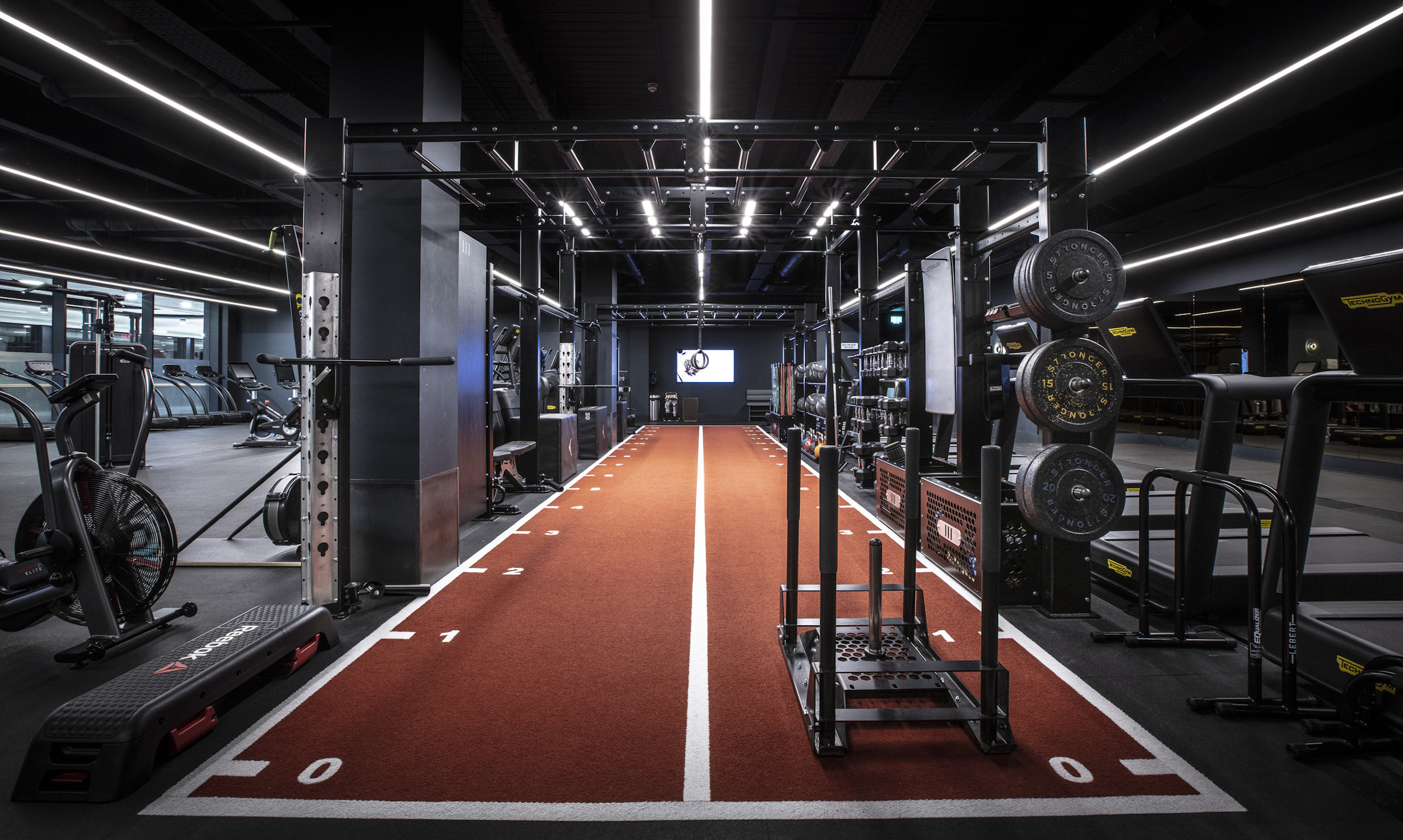
In order to also create ROI for the owner and create the right environment, he wants to apply lessons from big box operators (such as Equinox) to build an atmosphere of community and club culture in urban locations. This means creating membership programmes for recurring revenue and create stickiness that means members bring their friends to use all the hotel’s facilities, including food and beverage. The knock-on effect for design means these properties need to have larger dedicated spaces for more equipment, diverse programming, more showers and lockers and street access.
Italian operations
Delegates also heard from Italian designers, architects, consultants and operators. Massimo Caputi, president of Terme & Spa Italia, was interviewed by Massimiliano Sarti, chief editor of real estate and hospitality publication The Bulletin, Thrends. Caputi discussed the thermal destination spa De Montel, which opened earlier this year in Milan, Italy. He discussed the ambitions for the current visitor ratio to go from 80 per cent locals and 20 per cent tourists to 50 per cent from Milan and 50 per cent from outside the city.
He described operational challenges such as the difficulty in finding staff. “Italian youngsters don’t want to work on Friday evenings, Saturday evenings or on Sunday,” said Caputi. “None of our employees gets the minimum wage; they get a higher rate because they need training. It’s not possible to train in physiotherapy the way you can teach and learn hospitality skills online.”
The event also featured networking and an exhibition where suppliers – including Lemi Group, Sothys, Cinq Mondes, Technogym, Carol Joy London, Saskia Spa and Icoone among others – shared their latest innovations and news.

Sports Coach
Sports Coach
Swim Teacher
Party Leader
Group Exercise Instructor - Aqua
Membership Advisor
Swim Teacher
Customer Service Advisor
Swim Teacher


Activity and Wellbeing Instructor
Operations Manager - Brentwood School Enterprises
Fitness Manager
Swim Teacher
GP Exercise Referral Instructor
Duty Manager
Duty Manager
Community Activator Coach Apprentice

Catalogue Gallery



Company profile
Directory
Featured Supplier

Property & Tenders
Company: Lee Valley Regional Park Authority
Company: Newmark
Company: EiA Real Estate
Company: Savills
Company: University of Oxford