





Power Plate
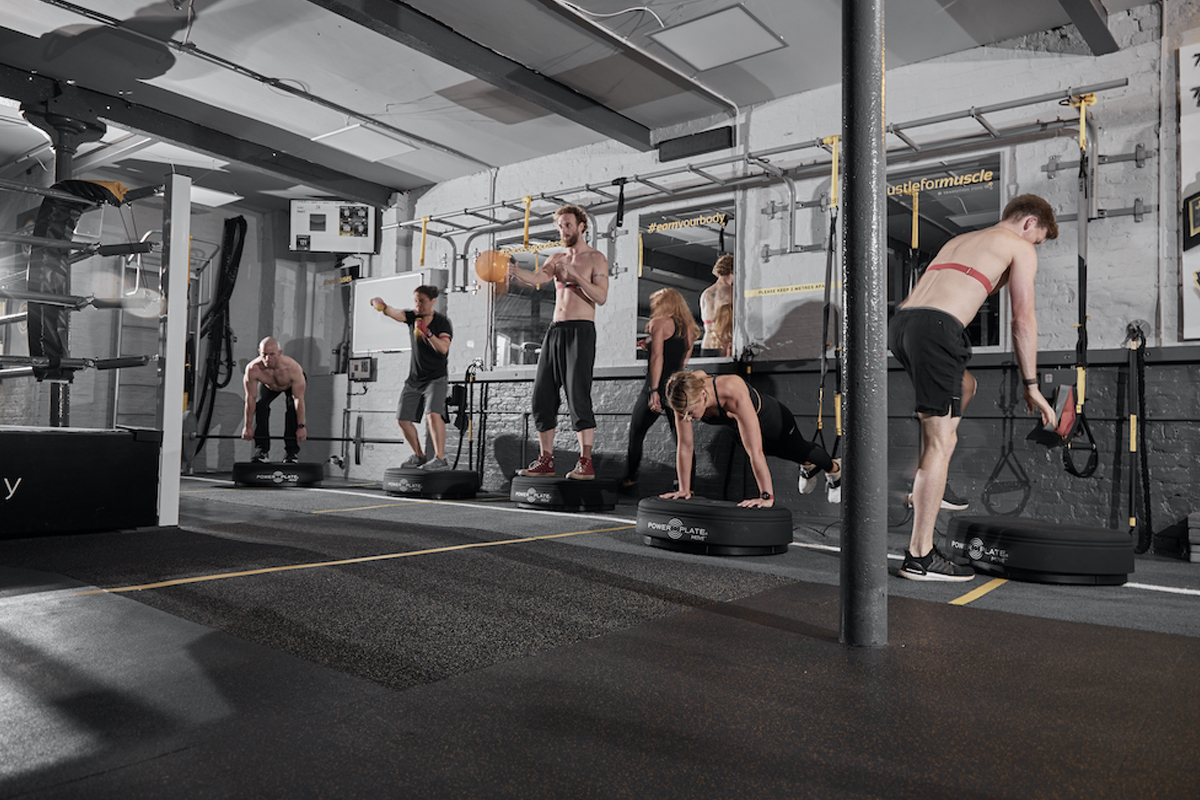
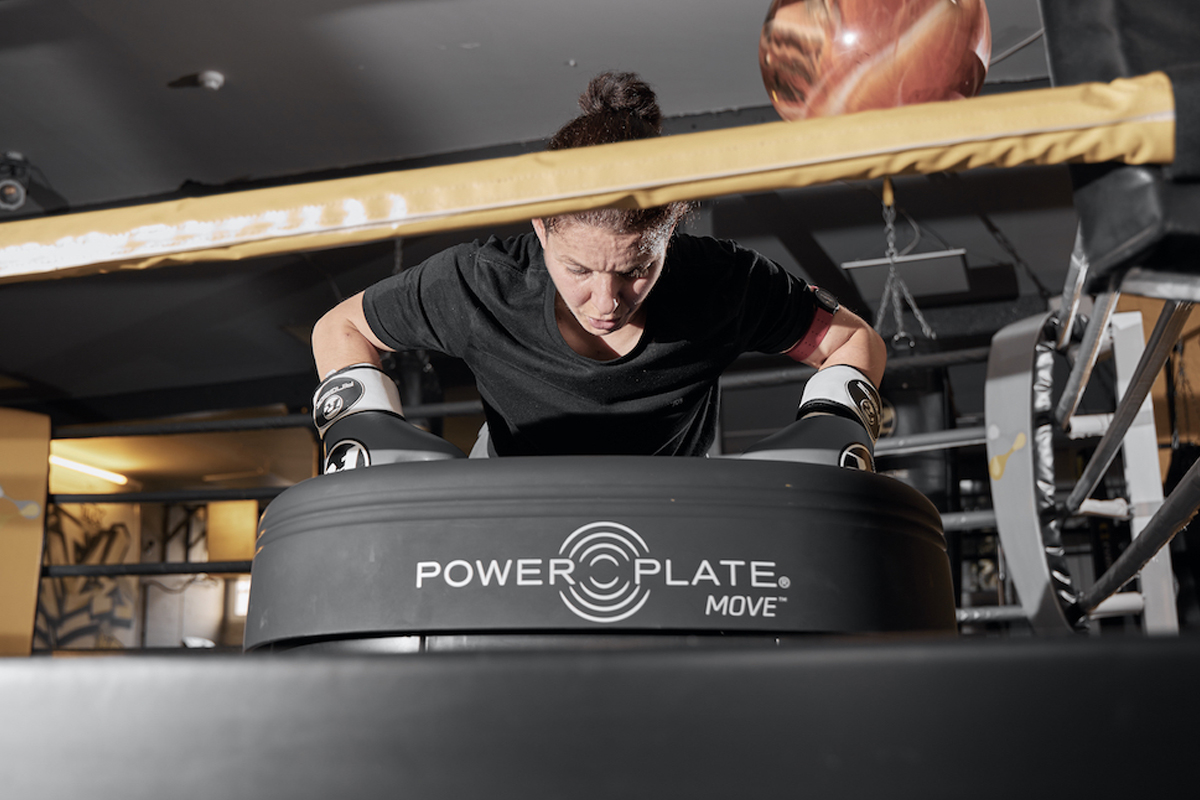
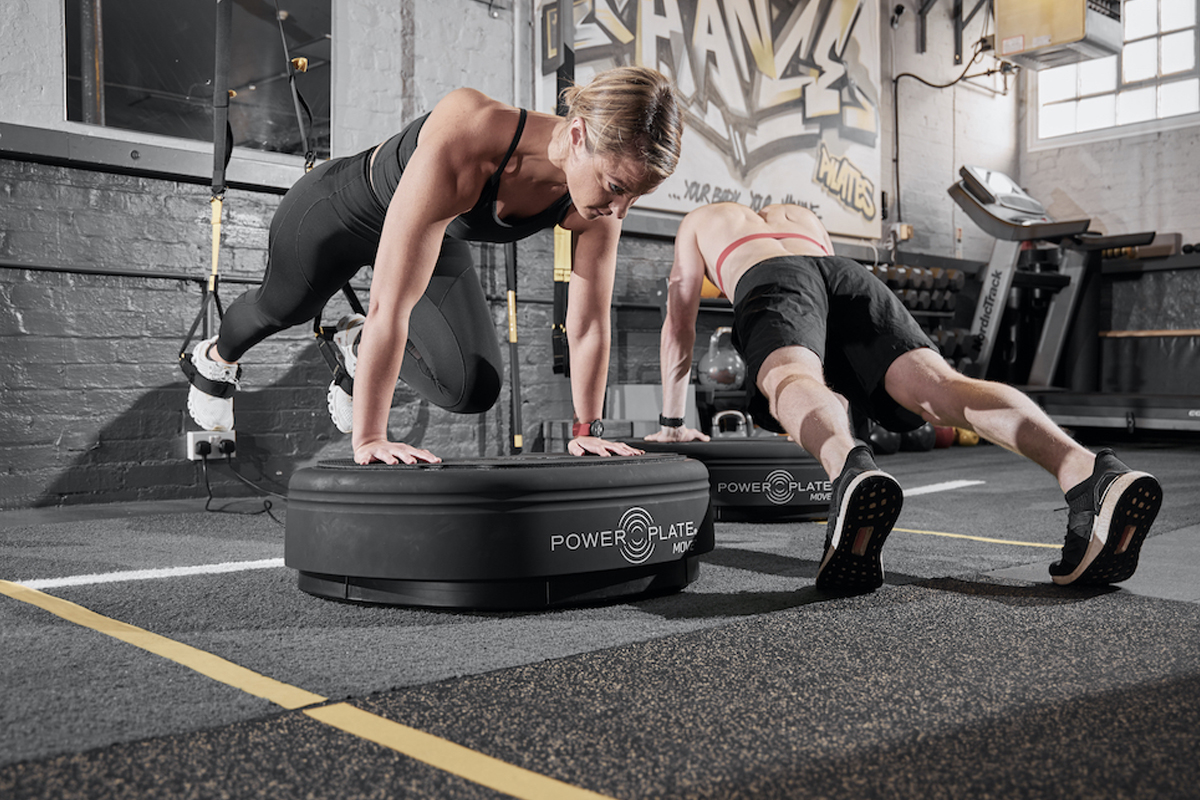
Power Plate is owned, manufactured and distributed by U.S. based Performance Health Systems LLC, a global company delivering advanced technology solutions through health and wellness equipment.
Product range and services
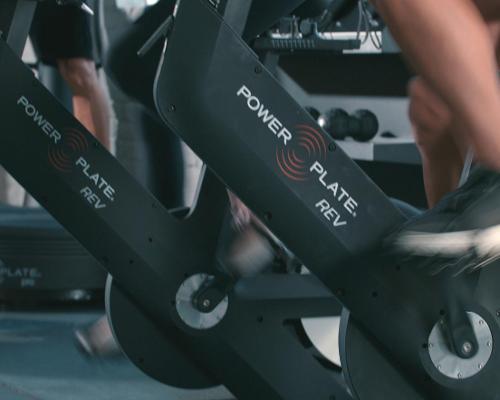
Our range of products include whole body vibration platforms, targeted vibration products and the ground breaking REV, combining to create a broad and compelling offering of health, fitness and wellness solutions to health clubs and fitness facilities worldwide.
USPs
Power Plate’s patented PrecisionWave Technology delivers unique harmonic vibration that helps users feel better whilst stimulating natural reflexes, increasing muscle activation and improving circulation. Power Plate delivers accelerated health, fitness, wellness and recovery results.
REV™ and PrecisionWave™ are registered Trade Marks of Power Plate
“From schools to gyms and private studios, hospitals and physiotherapy clinics to retirement settings and care homes, Power Plate is one of the best interventions to support a wide range of medical and wellbeing goals. The sooner you can get Power Plate into people’s lives, the better – but the problem is a skills gap. People don’t always know how to unleash its power,” adds Jenkins.
There is no such skills gap at The Dials. Conceived as a new generation of retirement community, wellbeing sits at the heart of everything – the foundation of a connected, inclusive, independent lifestyle for residents – and, says wellbeing advisor Charlotte Bacciochi, Power Plate is “centre stage”.
She confirms: "No other tool could sell the dream of independence to our residents in the same way as Power Plate. With the support of an instructor who genuinely cares, this core piece of equipment moves people from fear to confidence in the space of a week.”
The best you can be
The Dials’ approach to wellbeing centres on Be Well 360 – an inclusive, holistic, personalised programme in which the health and wellbeing needs of each resident are assessed and individually addressed.
Be Well 360 spans five areas of wellbeing: Be Active involves group fitness in the communal lounge, Fitbit goal-setting and live and recorded workshops, with one-to-one support also available; Take Notice is about being present in the moment and includes things like meditation, relaxation and yoga; Learn includes digital skills coaching, plus on-site events and talks; Give includes activities such as volunteering and helping others with technology; and Connect is all about community and social connection.
At the start of the programme, each resident receives an Independent Living Outcome Star assessment as well as a SMART health assessment. This includes functional tests to establish upper body strength, lower body strength and balance – grip strength, for example, and how long people can stand, including on one leg – as well as medical tests ranging from BMI to cholesterol, blood glucose to blood pressure.
The results contribute to a calculation of each resident’s biological age and form the basis of a realistic action plan that’s bespoke to each individual. This might include anything from gentle stretching and seated exercises to relaxation and meditation techniques, dietary advice, weight-loss programmes and so much more.
It’s also very likely to include Power Plate – especially where residents require one-to-one intervention – with The Dials equipped with a personal Power Plate, Power Plate Move and Power Plate Pulse.
The idea, explains Jenkins, is to help everyone be the best they can be. “Perfection doesn’t exist, but we compare people’s results to the benchmarks for their age and then try to work with them to bring them up to this level – and ideally beyond.”
Simple moves, big results
“Much of the work we do with Power Plate revolves around falls prevention and strength and conditioning in later life,” says Bacciochi. “We use simple moves – calf raises and so on – to loosen joints and get muscles moving that have been static for perhaps decades. This can stop people dragging their feet, so helps prevent falls, and the results are fast-tracked when you add vibration.”
Power Plate brings other benefits too, she adds: “It improves hand-eye co-ordination, helps balance left and right brain, improves circulation and heart rate, reduces anxiety, builds confidence… All the benefits of exercise and more.
“When people start a session they’re often quite subdued, but as the minutes go by they start chatting and end the session feeling far more positive. They’ve had that endorphin release without even realising they’ve been exercising.”
“We’re also seeing residents become less reliant on medication, while their GP visits become less frequent,” adds Jenkins. “Six-monthly surveys also show measures such as life satisfaction, happiness and anxiety all improving significantly. Of course, that isn’t solely down to Power Plate, but it’s a crucial part of it. I believe Power Plate has a key role to play in addressing the nation’s healthcare crisis.”
Transformational results
Bacciochi is now conducting a number of six-week case studies using Power Plate in one-to-one sessions, to evidence the direct impact of this piece of equipment.
One female resident had a fractured arm, which left her low in confidence and fearful of leaving the flat, and her husband in charge of everything from domestic chores to her personal care.
Bacciochi spent weeks one and two visiting her at home, building her confidence and strength to enable her to use the communal areas. Says Jenkins: “The portability of the personal Power Plate means we can take it into people’s homes and work with them there. The setting and how you present exercise is key, and starting in residents’ homes makes them feel comfortable and safe.” The programme designed by Bacciochi set out to heal the lady’s fracture faster by promoting new cartilage and bone formation, using the Power Plate for static and dynamic stretches, complemented by basic bodyweight moves. Together, they worked on grip strength, hand and arm mobility, and improved range of motion at the shoulder cuff, elbow joint and wrist following the accident.
On further assessment, Power Plate Pulse was used to treat the frozen shoulder that also resulted from the injury.
By week three, the resident felt strong enough to visit Bacciochi in the wellbeing office rather than requiring a home visit, and by week four she had the confidence to join Move It or Lose It group strength classes. These brought the added benefit of more social contact, which she enjoyed.
By week six, she was helping her husband at home and had returned to doing chores such as washing-up. She had equal 20kg grip strength in both hands – as opposed to 10kg in week one on her injured left side – and could weight bear, including pushing herself out of a chair. She had also progressed from a 30° to a 110° movement in her shoulder, while wrist flexion – previously at 50 per cent following the accident – had returned to normal.
She now exercises twice a week, feels positive about life and – with a 20 per cent improvement in lower body strength and a 70 per cent improvement in upper body strength since she began her Be Well 360 journey – has reduced her risk of balance issues, fractures and falls.
“She’s more confident on her feet with a walking stick, which has boosted her independence,” confirms Bacciochi. “She’s also able to do all her own personal care. She’s back to where she was before the accident, and better. It’s great for both her and her husband.”
Changing people’s lives
In a second case study, Bacciochi is working with another female resident whose decade-old back problem involves two pins in her spine, meaning a regular need for pain relief.
“We do some stretching and rowing motions sitting on the Power Plate,” says Bacciochi. “There’s no quick fix with an injury this historic, but each time I see her, she comes to me standing at a 100° angle and after 30 minutes is standing tall. She tells me she feels like a new person.”
In a third case study, Bacciochi is working with a female resident on her balance and co-ordination. With the resident initially afraid to leave her flat following the pandemic, the first step was home visits, with Bacciochi designing Power Plate sessions that included lateral work and mobility exercises to strengthen the lady’s ankles and legs.
By week three, the resident was attending the main wellbeing room for Power Plate sessions as well as art classes. She is now able to do standing and side-to-side exercises on the Power Plate and, says Bacciochi, “she’s getting the best sleep she’s had in years, as her restless leg symptoms have subsided by doing more specific exercise”.
A second chance at life
Bacciochi is now keen to work with a gentleman resident who has Parkinson’s, creating a six-week programme to relieve his symptoms and improve his walking ability.
She adds: “I also want to run sessions with three or four ladies at a time. The fun and the novelty factor of Power Plate mean I’ll be able to get less active people moving, engaging those who would never come to something like HIIT classes or even chair aerobics.
“Power Plate doesn’t feel like exercise to them. We’ll start just sitting with feet on the plates, then do some standing moves, some side-to-side, break for a chat. It’s simple for me as an instructor, but it will be huge for them.”
Simple in practical terms, perhaps, but the impact of Bacciochi’s approach is significant. “One resident told me it was the first time she’d ever been made to feel her health was important in this way,” she says.
She concludes: “I’m really proud to be with a brand that gives people a second chance in later life and makes them feel they matter. Life doesn’t stop just because they’re in a residential home, and Power Plate is a huge part of that.”
To download a copy of this case study - please click here.

What is biohacking?
Biohacking is a real buzzword in the fitness sector right now, in a similar way that ‘recovery’ was a few years ago. Everyone’s heard of it and has a sense that they ought to be doing something about it – that there’s an opportunity here they should be seizing – but they don’t know how to articulate it. There isn’t a clear view of what biohacking should look like in a gym or health club environment.
So let’s start with a definition. Biohacking is the strategic application of science, technology and lifestyle modifications to enhance biological function and human performance. It is a strategy to achieve the overarching goals of health optimisation and longevity.
With this definition in mind, it’s immediately clear that the science itself isn’t new. It’s the term that’s new – previously we might have simply called it ‘wellness’ – as well as the unprecedented levels of interest among consumers.
People now understand far more about longevity, inflammation, cellular health and so on. They’re looking at their bodies in a totally different way and they’re seeking out technologies that can help them optimise their health. Step forward biohacking.
Can you give some examples of biohacking?
There is a huge diversity of biohacking interventions, all of which go way beyond traditional healthcare models.
Nutrigenomics, for example, is the study of food-gene interactions, looking at how an individual reacts at a cellular level to food and nutrition. Mitochondrial support is another key intervention, with the mitochondria central to ageing; supporting their function reduces oxidative stress and improves energy metabolism.
We also know that chronic inflammation accelerates ageing – and that systemic inflammation can be reduced with biohacking interventions such as fasting and microbiome optimisation. Then there’s photobiomodulation, where light is used to stimulate living things into healing themselves; the increasingly popular red light therapy falls into this biohacking category.
Hormetic stressors are another big one, including cold exposure where we briefly take the body out of homeostasis, triggering an adaptive response at a cellular level before shifting it back. Meanwhile, circadian biology alignment optimises sleep, which lies at the heart of so many cellular responses; you can’t out-cold-plunge bad sleep.
Then there’s VO2 max, which is a measure of our body’s ability to transport and consume oxygen. A functional marker of cardiorespiratory fitness, VO2 max has also been scientifically proven to be a strong, independent predictor of all-cause and disease-specific mortality. To quote Professor Jayson Gifford at Brigham Young University: “Having a low VO2 max has about the same cardiovascular risk as smoking.” The good news is, we can improve VO2 max through targeted physical activity-based biohacking.
The list of interventions goes on and on, but the point is that every modality has a deeper purpose – a deeper physiological and neurophysiological response. Just as one example, cold plunge isn’t simply about jumping in and burning a few brown fat cells. It’s about creating a more resilient body at a cellular level.
You might also have heard the term ‘biostacking’. Rather than simply implementing one biohacking modality, you combine multiple interventions for a magnified impact, whereby 1 + 1 = 3!
What is the focus of biohacking?
Biohacking is about health optimisation and ultimately longevity, although in fact what we’re looking at is healthspan as opposed to lifespan.
Medicine has already helped people live longer. The goal now is to use biohacking to optimise our health, so we can keep living our best lives for longer.
Longevity expert Peter Attia is driving interest and credibility in this field, with his book Outlive: The Science and Art of Longevity exploring the science not just of prolonging life, but of prolonging aliveness.
The key, and what makes all of this so powerful, is the fact that biohacking is rooted in data. For each individual, diagnostics track critical biomarkers such as VO2 max, HRV, bone health, glucose variability and inflammatory levels to provide real-time insights into health status.
Targeted biohacking interventions are then based on these diagnostics. It’s about personalisation of health optimisation, proactively using an individual’s data to refine their physiological, neurological and metabolic processes and with it maximise their potential as a human.
How much impact can biohacking really have?
A growing body of research into epigenetics and cellular metabolism continues to validate biohacking strategies, making them increasingly relevant in both personal health and professional wellness applications.
At Power Plate, we certainly have extensive evidence to prove our status as the original biohacker. Let’s take VO2 max as an example, because it’s probably the most surprising: you might not expect WBV platforms to impact cardiorespiratory fitness.
And yet they do, with research showing WBV training consistently increases VO2 both during and after exercise – and across different populations and settings – highlighting its versatility in enhancing metabolic demand and cardiorespiratory fitness. [See reading list at the end of this Q&A.]
Specifically, WBV increases the metabolic demand on the body, driving a requirement for more oxygen and thus creating an environment in which we can improve VO2 max.
We also have early, small sample research on our new Power Plate REV bike, showing that its self-powered vibration (SPV) gets people to VO2 max sooner than when cycling without vibration.
When you cycle at the correct cadence on the REV, the frequency of the vibration elicits muscle stimulation across the body that correlates with WBV. This increased muscle activation raises metabolic demand both peripherally (in the legs) and centrally (in the heart and lungs).
We’re exploring protocols on the REV at the moment, but we’re already seeing REHIIT (reduced exertion high-intensity interval training) bringing people out of homeostasis through consistent intervals of 8–10 seconds’ work / 16–20 seconds’ rest. This is initiating an adaptive response including mitochondrial biogenesis (an increase in the number of mitochondria).
REV looks set to be a highly time-efficient biohack.
Tell us more about biohacking with WBV.
I previously mentioned Peter Attia, who when talking about the major causes of death and disease in developed nations, uses the term ‘the four horsemen of chronic disease’. By this, he is referring to cardiovascular disease, cancer, neurogenerative disease and metabolic disease (including type 2 diabetes).
Power Plate biohacks three of these four horsemen, with emerging research revealing the potential of WBV as a multifaceted, evidence-based intervention that improves cardiovascular, metabolic and cognitive health. (To that list, we can also add musculoskeletal health.)
We’ve spoken already about how WBV can improve VO2 max, and evidence shows you have a greater likelihood of good cardiovascular health if you have good VO2 max.
Metabolic health once again pivots around VO2 max – it is oxygen that enables the cells of the body to convert food into energy – as well as lean muscle mass. And we have extensive evidence to show how WBV training – either alone or paired with additional resistance and/or endurance training – consistently enhances muscle mass across diverse populations, including older adults, young individuals and clinical groups.
While additional research is required in the field of neurogenerative disease, WBV has demonstrated promising effects on cognitive function and brain health in various populations. Improvements in gait stability and neuroprotection have been observed in conditions such as Parkinson’s disease and post-stroke rehabilitation, for example, while WBV has also demonstrated potential in mitigating cognitive decline and enhancing neuroplasticity.
The biohacking benefits of WBV don’t even end there, either, with interesting evidence around its benefits for inflammation and the immune system, for example.
[Please see reading list for studies on WBV training for cardiovascular, metabolic and cognitive health.]
What’s your advice for gym operators?
The booming interest in biohacking hands gym operators two significant and eminently scalable opportunities: biomarker-driven diagnostics and targeted interventions.
Operators should start looking at how they might integrate these into the fitness environment, both to upgrade and enhance customer/member experiences and to create new revenue streams.
But be strategic about it. Don’t just dive straight in with eye-catching products. Simply latching on to the latest trends without a clear strategy or story will not work; people won’t come just because you build it.
To maximise the opportunities, biohacking requires a full, experiential journey to be developed. We suggest a six-stage approach.
Tell us about the six stages.
First, what is the market opportunity? In gyms, it’s likely to be those in their 50s who are starting to look at ways to live better for longer – but of course, this will vary by site, so do the research.
Next, identify the need. Look at your demographics. What are the problems your members want answers to? And who are you as a business – where can you credibly get involved? Based on this understanding and insight, you should be able to define a headline message that will resonate.
What comes next is still not the product itself – the cold plunges or the red light therapy – but medical-grade diagnostics. The fitness industry isn’t properly tuned in to diagnostics yet, but you can’t provide people with a solution if you haven’t first identified their problem(s).
It’s why Power Plate has partnered with Screen My Bones and VO2 Master. It provides us with usable data that allows us to create or signpost people towards specialist interventions. Could your club run a revenue-share screening day with a specialist provider? We’re here to help.
However, solutions must be in place before you offer any diagnostics; if you identify an issue, people’s first question will be ‘what do I do about it?’ This brings us to evidence-based interventions – the solutions you must already have in place to support people as they come through your diagnostics process.
And you will need solutions, plural, because requirements will differ from individual to individual. Product-wise, you might be looking at whole-body vibration, cold plunge, nutritional advice, perhaps a biostacked combination of them all. But remember that one size will not fit all. To offer true solutions, you will need to create tailored programmes around your products.
You will also need to package your interventions up as experiences. My advice: don’t make it too scientific. There’s enough readily available information out there to create fear in people. What gyms can do is soften the edges, creating a positive narrative and becoming trusted destinations not for ‘tests and exercise’, but for early detection, personalised support, movement, improved circulation, enhanced brain function and so on.
Finally, look at ways to monetise all of this. In clinical settings, a bone density scan might cost in the region of £200 – but we’re too nice in the fitness sector. We give far too much away for free or as part of memberships.
When offering medical-grade diagnostics and targeted biohacking solutions in a fitness setting, we should be confident about charging for them.
READING LIST
VO2
Increased VO2 During and After WBV:
A 30-minute WBV session significantly increased VO2 during the exercise (23% higher than without vibration) and for up to 24 hours post-exercise, demonstrating its potential for enhancing oxygen uptake and calorie burn (Hazell & Lemon, 2011).
VO2 Comparisons Between WBV Modalities:
Side-alternating WBV resulted in higher VO2 than synchronous WBV and no vibration during a 20-minute session, indicating the mode of vibration affects metabolic demand (Gojanovic & Henchoz, 2012).
WBV in Sedentary and Athletic Groups:
VO2 increased during WBV in both sedentary and trained individuals, with sedentary individuals showing the highest metabolic response due to their lower baseline fitness (Gojanovic et al., 2014).
VO2 Increases During Resistance Training with WBV:
WBV enhanced oxygen consumption during resistance exercises, with VO2 significantly higher during WBV compared to non-vibration conditions. This indicates WBV increases exercise intensity (Osawa & Oguma, 2011).
WBV Combined with Loads:
Adding WBV to resistance exercises (moderate load) increased VO2 comparable to using heavier weights without vibration. This suggests WBV can be a lower-load alternative for similar metabolic demand (Serravite et al., 2013).
VO2 Peaks During Squat Exercises:
Low-frequency WBV increased VO2 during squat exercises, particularly with certain frequencies. This response varied across muscle groups and was most notable for the gastrocnemius muscle (Yoon et al., 2022).
WBV in Older Adults:
A one-year WBV intervention improved VO2 peak and overall cardiorespiratory fitness in older individuals, demonstrating its potential as an alternative to traditional training (Bogaerts et al., 2009).
Acute VO2 Increases with WBV Pre-Exercise:
WBV before aerobic exercise increased VO2 in the early stages of subsequent activity. Higher vibration frequencies and amplitudes elicited more pronounced metabolic responses (Kang et al., 2016).
VO2 Responses in Stroke Patients:
Both low- and high-intensity WBV protocols significantly increased VO2 in individuals with chronic stroke during exercise, suggesting WBV is safe for this population and may aid rehabilitation (Liao et al., 2015).
WBV Squat Intensity impact on O2 Consumption and Heart Rate.
WBV squats are a moderate-to-vigorous intensity exercise that effectively increases oxygen consumption, especially under higher training weights. This modality is suitable for individuals seeking enhanced metabolic and cardiovascular benefits without excessive cardiac strain. (Qaio et al., 2025)
WBV and Physical Fitness in Young Adults
Significant reduction in BMI and improvement in VO2 max after WBV intervention. WBV exercise positively impacts body composition and cardiorespiratory endurance and is an effective exercise modality for improving health-related physical fitness components in young adults. (Taiwo et al., 2023)
WBV Increases VO2 in Cyclists
WBV increased time spent at ≥90% VO2 max by 26.3% compared to non-vibration conditions and enhanced EMG activity in upper and lower limbs during WBV. WBV effectively enhances the training stimulus for cyclists, improving oxygen uptake and muscle activation. (Duc et al., 2022)
WBV and Energy Expenditure During Squats
WBV significantly increased oxygen consumption and energy expenditure during and after exercise. EPOC was higher in the WBV group, indicating greater energy demand for recovery. WBV is effective in enhancing energy metabolism and fat loss during resistance training. (Huang et al., 2023)
MUSCLE MASS
WBV and Fat-Free Mass in Women:
Over 24 weeks, WBV training significantly increased fat-free mass by 2.2% in previously untrained women, comparable to traditional fitness training (Roelants et al., 2004).
Muscle Mass in Older Men:
A one-year WBV program significantly improved muscle mass (3.4%) and strength in older men, with effects comparable to fitness training (Bogaerts et al., 2007).
Young Adults and Lean Mass:
WBV showed significant improvements in lean muscle mass in young adults, particularly when paired with higher frequencies and external loads (Chen et al., 2017).
WBV for Adolescents and Young Adults with Cerebral Palsy:
A 20-week WBV program increased lean muscle mass and bone density in adolescents with cerebral palsy, enhancing functional mobility (Gusso et al., 2016).
Elderly Women and Sarcopenia:
Ten weeks of WBV training significantly increased muscle strength and thigh muscle cross-sectional area (up to 15.5%) in older women, counteracting sarcopenia (Machado et al., 2009).
Impact on Muscle Recovery:
WBV training aids in muscle recovery by increasing neuromuscular activation and may be combined with other recovery strategies (Kosar et al., 2012).
Long-Term Impact on Elderly Women:
An 8-month WBV intervention maintained muscle mass and prevented significant declines compared to control groups, suggesting WBV can combat age-related muscle loss (Santín-Medeiros et al., 2015).
Muscle Mass in Obese Populations:
WBV, combined with endurance training, improved bioelectrical indicators of muscle mass in obese women, highlighting its potential for combined weight loss and muscle maintenance strategies (Wilms et al., 2012).
Combination of WBV and Resistance Training in Postmenopausal Women:
WBV combined with resistance training enhanced lean body mass gains and reduced fat mass significantly compared to resistance training alone (Fjeldstad et al., 2009).
WBV Meta-Analysis on Lean Mass: A meta-analysis found significant improvements in lean mass with WBV in young adults, though effects varied with vibration parameters (Chen et al., 2017).
BRAIN FUNCTION AND COGNITION
Systematic Review on WBV and Cognition:
WBV can positively influence cognitive function in both healthy individuals and those with cognitive impairments. The effects vary, with some studies showing improvements and others no significant impact. Larger, well-designed studies are needed to confirm efficacy (Wen et al., 2023).
Cognitive Enhancement in Adults:
WBV has shown potential in improving various cognitive functions, including attention and inhibition. However, the optimal WBV protocols for neurocognitive enhancement are still under investigation (Shantakumari & Ahmed, 2023).
Acute Cognitive Improvements in Young Adults:
Two minutes of passive WBV significantly improved attention and inhibition as measured by the Stroop Color-Word Interference Test, suggesting its potential as a cognition-enhancing therapy (Regterschot et al., 2014).
WBV in Senile Dementia:
WBV improved cognitive function and EEG activation in women with mild dementia, suggesting its use as a non-invasive strategy to enhance life quality in neurodegenerative conditions (Kim & Lee, 2018).
Neuroprotective Effects in Mice and Humans:
WBV improved motor performance, reduced arousal-induced activity, and enhanced attention in cognitive tasks, partially mediated by increased cholinergic activity in the brain (Boerema et al., 2018).
Cognition in Parkinson's Disease:
WBV was found to improve gait stability and cognitive performance in Parkinson's patients, although effects on balance and daily activities were limited (Zhao et al., 2023).
Post-Stroke Cognitive Recovery in Rats:
WBV reduced cognitive deficits and inflammation in post-stroke rats, suggesting a role for WBV in post-stroke rehabilitation through neuroinflammation modulation (Kerr et al., 2022).
BDNF and Cognitive Outcomes in Fibromyalgia:
WBV increased brain-derived neurotrophic factor (BDNF) levels and improved cognition and clinical outcomes in women with fibromyalgia, indicating broader potential for WBV in cognitive health (Ribeiro et al., 2021).

In addition to several new product introductions that are set to elevate the exercise experience in 2025, we are looking forward to building on our biohacking experience with a continued focus on integrating alternative complementary therapies such as red light therapy (RLT) to enhance longevity, recovery and overall well-being.
Additionally, we look to help health clubs meet member demand for longevity solutions through products and applications that help optimise bone health and VO2 Max, two key markers of human healthspan.
• Everyone Active (SLM),
• Fusion Lifestyle,
• Village Gyms,
• Bannatynes,
• DLL,
• Nuffield Health,
• Anytime Fitness,
• Energie Fitness,
• Radisson Hotels,
• Hilton Hotels,
• Feel Good Fitness,
• Leap Fitness,
• Champneys.
We’re also achieving remarkable results by using Power Plate and red light therapy together, accelerating recovery and fitness gains and benefiting people’s bodies and minds in so many different ways.”
Supporting long-term health: why whole body vibration belongs in clinical settings
As healthcare continues to shift towards prevention, there’s a growing focus on helping people stay active, independent and feeling good for longer.
Over time, our bodies naturally change. Strength can decline, balance can become less stable and bone density can reduce. If not supported, this can impact how we move, how confident we feel and ultimately how independent we are in everyday life.
We know that resistance and weight-bearing exercise are some of the most effective ways to support this. But in reality, not everyone is able to stick to these programmes – whether that’s due to time, confidence, pain, fatigue or mobility challenges.
That’s where approaches like Whole Body Vibration (WBV), delivered by Power Plate*, are starting to play a role.
By using controlled vibration, WBV activates muscles throughout the body in a way that is low-impact and time-efficient. In simple terms, it helps the body “switch on” and work harder, without requiring the same level of effort as more traditional exercise.
This makes it particularly useful in clinical settings, where the focus is often on helping people rebuild strength, improve movement, and regain confidence at a pace that works for them.
A good example of this in practice comes from a clinician in Bulgaria, who used WBV as part of a preventative approach with a 39-year-old woman going through perimenopause. Over time, improvements were seen in bone density, muscle mass and overall body composition – without significant changes to her wider routine.
While this is just one example, it highlights how WBV can be used in a practical, real-world setting – especially during periods of change, such as perimenopause, where supporting strength and bone health becomes increasingly important.
More broadly, this aligns with a growing body of research showing that WBV can support strength, balance, bone health and overall physical function, particularly in populations at greater risk of decline.
Today, WBV is being used across a range of healthcare environments as a way to complement existing treatment and exercise programmes. Examples of these types of environments include physiotherapy clinics, rehabilitation centres and preventative health settings.
While WBV devices are becoming more available for home use, the clinical environment offers clear advantages. With the right tailored guidance, integrated into a structured plan and supervised for safety, the device can be used safely – helping people stay consistent and get the most from it.
Ultimately, staying healthy as we age isn’t about one solution, it’s about finding approaches people can realistically stick to.
By making movement more accessible and time-efficient, WBV gives clinicians another way to support people in staying active, capable and independent for longer.
To explore how Whole Body Vibration could support your clinical offering, contact: [email protected]
*Power Plate® is a registered trademark
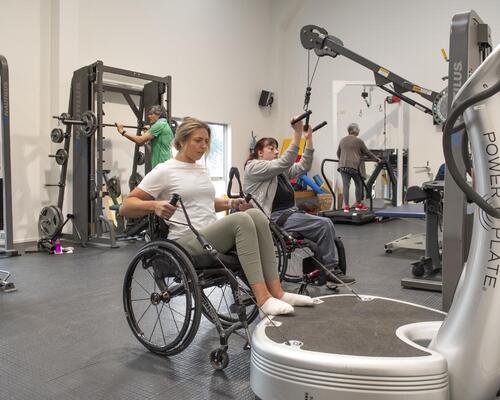
Supporting women through every life phase
How vibration training fits into the women’s health conversation
Women make up half the population. So why has it taken so long for the health and fitness sector to recognise that programming for longevity and healthspan needs to account for female physiology at every stage of life?
From menstrual cycles in younger women to the hormonal shifts of perimenopause and menopause, female physiology changes in ways that directly affect bone health, muscle mass, recovery, metabolic function and even cognitive health. Yet historically, exercise science and programming have largely been built around male physiology.
Today, that gap is becoming impossible to ignore.
Steve Powell, director of education for Power Plate, and master trainer Natt Summers explain how operators can better support women – and where vibration training and supporting technologies such as red light can play a role.
Why should we view women’s health through the lens of longevity?
Approaching women’s health through the lens of longevity provides a much clearer framework for operators.
Longevity isn’t simply about living longer. It’s about maintaining the capacity to live well – physically, metabolically and cognitively – for as many of those years as possible. Within this framework, three pillars underpin healthy ageing: functional capacity, tissue and metabolic health, and brain health.
Every intervention in a fitness environment feeds into these pillars, whether it’s strength training, cardiovascular work, recovery strategies, even community and behavioural support. Understanding how women move through the different life phases – and how training can support these three pillars at each stage – is therefore essential for operators who want to support female members across the decades.
Looking at women’s health in this way also broadens the conversation beyond (peri)menopause alone. That phase is important, but the foundations for healthy ageing in women are laid much earlier – and the opportunity to support them continues long after.
Let’s start with younger women. What’s the focus here?
One of the most important and often overlooked priorities is bone health. Peak bone mass is typically reached at the age of about 30, meaning the foundation for skeletal health in later life is largely built during a woman’s teens and twenties. If that window is missed, it becomes far harder to rebuild later.
The difficulty is that advice around bone health is often quite generic: resistance training, impact exercise, weight-bearing activity. While all of these are helpful, bones respond most strongly to specific signals such as compressive loading and muscular tension pulling on bone through tendons.
Whole-body vibration (WBV) training can amplify these signals by creating rapid micro-contractions in muscle tissue that increase mechanical loading across the skeletal system. In turn, this stimulates bone regeneration without requiring large volumes of training.
For younger women balancing work, family and social commitments, this efficiency can be particularly valuable.
But it’s important to train in a specific way to optimise bone health. At Power Plate, we’ve therefore created WBV programming protocols designed specifically to improve bone density, which should be applied once a week as the minimum dose. As a side benefit, these protocols also support muscle mass and pelvic floor strength.
How does the menstrual cycle affect training?
There’s a growing discussion around whether women should train completely differently from men because of hormonal cycles. However, we feel a more useful perspective is to help women understand their own physiological responses and adjust training intelligently when needed.
At certain points in the menstrual cycle, sleep quality may drop, recovery may feel slower and/or fatigue levels may increase. That doesn’t necessarily mean training should stop, but it may mean adjusting training volume or session duration.
The advantage of vibration training is that it allows women to maintain a strong neuromuscular stimulus even in shorter sessions with a lower mechanical load. In other words, they can still train effectively without pushing the body beyond what it can recover from at that moment.
The goal isn’t rigid programming. It’s giving women the flexibility and awareness to adapt while maintaining consistency.
Where does recovery fit in?
When the focus shifts from short-term performance to long-term health, recovery becomes just as important as the training stimulus itself.
One system receiving a lot of attention right now – including among the social media influencers targeting younger women – is the lymphatic system. This plays a crucial role in immune function, waste removal and reduction of inflammation, but unlike the cardiovascular system, it doesn’t have a central pump. Instead, it relies largely on muscular contractions and body movement to circulate fluid through the body.
That’s why exercise is so important after treatments such as lymphatic massage and why WBV is a great choice, as it activates the large muscle groups and speeds up the process of lymph drainage.
Moving into perimenopause, what changes?
Physiologically, the underlying training priorities remain the same: the longevity pillars still apply. What changes is often the entry point.
For many women, perimenopause is the stage at which they suddenly become more aware of the need to prioritise their health, including developing muscle mass to manage weight gain and avoid metabolic issues. However, they might be unsure of where to start.
That’s where accessible entry points become important. One of the common patterns seen during perimenopause is that women become overwhelmed, feeling the need to do everything at once: they read about strength training and longevity protocols, try to adopt multiple new routines simultaneously and often push themselves too hard in the early weeks.
Rather than aim for volume, a more sustainable approach is to focus on consistency and issuing the right signals to the body. WBV can support this, triggering strong neuromuscular activation without immediately jumping into high training volumes or heavy loading.
Bone health becomes even more important at this stage. Why?
Hormonal changes during perimenopause, particularly declining oestrogen levels, naturally accelerate bone loss. However, we can effectively intervene with protective strategies: bone is an endocrine organ, a living tissue that remodels and adapts to the forces placed upon it.
As noted previously, bone health is closely linked to muscle mass, strength and mechanical loading: if muscle mass declines and strength drops, the body simply cannot generate the mechanical stimulus required to maintain bone density. That’s why strength and power development remain critical.
However, methods of power training embraced in younger years – jumping, running and so on – may not be suitable now, as deterioration of collagen causes pelvic floor muscles to weaken. Vibration training is the ideal solution, amplifying the mechanical signals that bones respond to – compressive loading, muscular tension and varied stimulus – with relatively low impact.
For women managing joint discomfort, reduced recovery capacity and pelvic floor weakness – all common perimenopausal complaints – WBV can provide a practical way to address these specific issues and maintain bone density at the same time.
Are there recovery tools that can help during this phase?
Recovery becomes particularly important during perimenopause, as hormonal fluctuations can influence sleep, inflammation and stress levels.
As noted previously, WBV is an excellent recovery tool – one that’s also suitable for combination therapy, sometimes referred to as ‘biostacking’. Using it in conjunction with technologies such as red light therapy can further support recovery, helping regulate inflammation and mood, supporting mitochondrial function and potentially improving sleep quality.
Indeed, many women who combine vibration training with red light sessions report a noticeably easier transition through perimenopause, particularly when it comes to managing fatigue, stress and overall resilience.
What about the post-menopause years?
Interestingly, many women feel physically more stable once hormone fluctuations settle; energy levels may improve and training can become more consistent again.
Lower-body strength and power should be a headline in women’s health conversations for this age group, yet they are often overlooked, with one key reason being dynapenia: the age-related decline in strength and, crucially, power.
Compounding this are some longer-term changes that remain post-menopause: connective tissues may be less resilient, joints can feel stiffer and injury risk can increase if training progresses too aggressively.
This is where WBV again becomes particularly valuable.
Traditional power training typically relies on fast, explosive movements to recruit and train fast-twitch fibres – but not everyone has the structural capacity, confidence or joint tolerance to jump, sprint or lift explosively.
WBV offers an alternative route: when programmed correctly and progressed intelligently, vibration provides a rapid neuromuscular stimulus that can support power-oriented adaptations without requiring explosive movement. For many women, that makes it a potent yet practical intervention.
And power matters: the ability to produce force quickly is increasingly recognised as one of the strongest predictors of healthy ageing. It supports balance and mobility and is linked with improved blood flow to the brain, which can positively influence cognitive function. In short, powerful legs don’t just carry the body – they nourish the brain.
What are women’s training needs in later life?
As women move into older age, focus often shifts towards maintaining independence and confidence in movement. Pain, stiffness or fear of injury can cause people to reduce activity levels, but once movement declines, strength, balance and cardiovascular fitness can deteriorate quickly.
Even short vibration sessions – so-called ‘activity snacks’ or ‘movement snacks’ – can help interrupt that cycle. By improving circulation, stimulating muscle activation and reducing pain perception, they can encourage people to keep moving.
Sometimes the most important outcome isn’t the workout itself, but the confidence it restores – allowing someone to walk further, join a class or remain active in daily life.
Cardiorespiratory fitness is another key predictor of longevity…
Cardiorespiratory fitness, measured as VO₂ max, is one of the strongest predictors of long-term health and longevity.
The challenge is that traditional endurance training often requires substantial time commitments, which many people struggle to maintain consistently. High-intensity interval training on the Power Plate REV bike – which delivers vibration through the pedals – offers an excellent alternative, driving meaningful improvements in cardiovascular capacity through sessions lasting little more than 10 minutes.
Again, the principle is the same: achieving the right physiological stimulus while respecting the realities of people’s time, energy and recovery capacity.
Any final tips on how operators can better support women?
First, recognise that women’s health evolves across the lifespan. If operators want to retain female members in the long term, their programming and education must evolve too, from trend-led younger women to older women seeking education and achievable ways to give their bodies what they need.
Alternatively, gyms must be honest with themselves – and with their members – about who they cater for.
Second, prioritise education and honest conversations. Women want evidence-based guidance that helps them understand what their bodies are experiencing and how training can support them.
Third, create communities that normalise these conversations. Workshops, ambassador programmes and targeted training environments can all help women feel supported rather than isolated as they move through different life stages.
Supporting women through every phase of life isn’t just a programming opportunity. It’s one of the clearest ways the fitness industry can demonstrate its value as a preventative health partner for the decades ahead.
Power Plate® is a registered trademark

Stronger for longer: Bringing bone health into the wellness mainstream
Walk into any gym today and you’ll sense a change in the conversation – a shift in members’ goals. The traditional focus on weight loss, cardio fitness and aesthetics hasn’t vanished, but it is being recalibrated as part of a far more holistic outlook. Consumers are widening the lens, redefining ‘fit’ to mean resilient, balanced, mentally steady and physically capable for the long run.
Healthspan has entered the vocabulary, wellbeing is the new vision and longevity the new performance goal. People want to feel good today, but they also want to stay strong, stable and independent as they age. They’re training for energy, for confidence, for emotional wellbeing – and increasingly, for the deeper, structural foundations of long-term health.
As awareness grows around the importance of strength, mobility and the underlying systems that keep us upright, active and pain-free, members are demanding more from their gyms. They want training that supports their whole being, from mental health to metabolism to musculoskeletal strength. They want personalised, preventative solutions that help them move better, recover better and future-proof their bodies.
A broader remit
And gyms are responding, with forward-thinking operators expanding their remit from ‘fitness provider’ to ‘wellbeing partner’. We’re already seeing elements of biohacking in place, with red light therapy and cold plunge two popular choices. We’re seeing recovery zones, a continued focus on functional strength and rising awareness of the need to train VO2 max as the primary indicator of longevity.
Yet bone health still flies under the radar. For all the talk of wellness, resilience and ageing well, our industry rarely addresses one of the most fundamental pillars of lifelong physical capability: the strength and quality of our bones. Osteoporosis and low bone density affect millions of people, with (peri)menopausal women at particular risk, yet bone health remains an almost invisible topic on most gym floors.
In part, that’s due to uncertainty: bone health isn’t an area many operators or trainers feel fully equipped to address. In part, it comes down to evidence: Dexa scans are beyond the budget of many, making tracking improvements challenging. The result: in spite of its huge influence on long-term independence and quality of life, bone health remains a blind spot in an industry increasingly committed to whole-person wellbeing.
It needn’t be this way.
Accessible science
Step forward Performance Health Systems, whose accessible, scientifically-proven bone health solution spans the full journey from bone scan to strength.
Centred around the creation of bespoke, evidence-based interventions, the system harnesses Power Plate vibration technology with the osteogenic loading system of bioDensity – both manufactured by Performance Health Systems – in collaboration with Screen My Bones, which uses Echolight Rems technology to deliver advanced, radiation-free bone density screening.
Starting with the scan, Screen My Bones’ precision technology identifies any issues not only in bone density, but also in the surrounding musculature. This data then enables the design of targeted, personalised programmes to address any imbalances and weaknesses.
Power Plate whole body vibration is a key pillar and the first element of these programmes, thanks to its ability to positively impact bone density.
“Research on whole body vibration shows it stimulates bone formation by activating muscle contractions at 30 to 50 times per second,” says Power Plate master trainer Caroline Pearce.
“It’s essentially giving the body a safe mechanical stimulus – similar to load in the skeleton – not only improving bone mineral density but also strengthening the muscles that protect our joints. It’s a de-formation and re-formation process to strengthen the bones.”
This initial activation phase of neuromuscular stimulation and balance enhancement is followed by strength building: high-impact, bone-loading stimulation using bioDensity to promote osteogenesis and improve bone density.
The final phase is muscular recovery and re-stabilisation using Power Plate’s targeted vibration therapy tools.
The entire protocol takes just minutes to complete and is the foundation for insight-based, personalised training to support the body over the long term.
Personalised programming
Scientifically proven and suitable for a wide range of individuals – including older adults, high-risk groups and those recovering from illness or weight-related health changes – the protocol offers valuable insight even for seasoned exercisers.
When Aaron Tyler – founder and owner of Feelgood Fitness & Wellness Centre – tried it for himself, he was delighted by his bone density score. However, he learned that the muscles in his femur were not as strong as they should be.
“I’ll now be putting activation work on the Power Plate into my own training plan, focusing on leg strength,” he confirmed. “By strengthening the muscles around the bone – around the top of the femur – I will further improve the health of the bone as well as the muscle. It’s about trying to get the longevity of my bone and my muscle on a par.”
“This system belongs in every health and wellness environment, from fitness clubs to medical clinics,” concludes Iain Murray, MD of Performance Health Systems UK & Ireland. “It’s cost-effective, impactful and bridges the gap between prevention and performance.”
It also requires minimal space and no complex infrastructure, delivering clear ROI through enhanced client retention, differentiated programming and meaningful community health impact.
Certainly for gym operators looking to embrace longevity and healthspan – to in turn meet the needs of members training not just for today, but for life – this is a must-have addition to the wellbeing toolkit.
Power Plate® is a registered trademark
bioDensity™ is a trademark

Power Plate forms strategic partnership with Exos to advance the future of human performance
This collaboration brings together Power Plate’s scientifically validated vibration technology with Exos’ proven performance methodology, integrating Power Plate solutions across Exos’ elite athletic training centers, corporate wellness programs, tactical readiness platforms, and global education initiatives.
“This partnership is about unlocking the future of human potential,” said Steve Borre, Chief Operating Officer of Performance Health Systems. “By aligning our patented vibration technology with Exos’ comprehensive approach to performance and wellbeing, we’re delivering a new standard for readiness, resilience, and recovery.”
As a result of the partnership, Power Plate technology and training will now be seamlessly embedded across Exos’ expansive network of clients and platforms, including:
● Corporate Wellbeing Leadership
Power Plate will enhance Exos' workplace wellness solutions, which are already trusted by companies of all sizes including blue-chip Fortune 100 clients, to offer scalable, tech-enabled strategies that promote employee health and performance.
● Elite Athletic Training Facilities
Power Plate products will be fully integrated into Exos’ facilities, optimizing athlete preparation, recovery, and performance throughout their development journey.
● Military & Tactical Readiness
With a shared philosophy of “Be the best. Stay the best,” the partnership extends into tactical and military settings, providing high-impact recovery and resilience tools for operators in mission-critical environments.
● Global Education Platform
The Power Plate Academy, including CEU-accredited certifications such as the Power Plate Discover Workshop and the Prepare, Perform, Recover Certification Course, will be embedded into Exos’ global education network, reaching over 15,000 coaches, trainers, and practitioners.
● Digital Content Integration
Power Plate’s training and recovery modules will be made available through the Exos App, which supports more than 100,000 users and has delivered over 1 million digital workouts.
“We are honored to re-engage in a strategic partnership with Exos,” said Lee Hillman, Performance Health Systems’ C.E.O. “Our companies have long shared a commitment to harnessing technology to optimize performance, health and wellness, not only among elite athletes, but across all walks of life.”
“When we select our partners we want absolutely best in class” said Mark Verstegen, Founder and President of Exos. “And that’s what we get with Power Plate. Their products – from vibration plates to the ground-breaking Power Plate REV cycle – fit naturally into our system, elevating how we help our clients prepare for the moments that matter most, whether that’s on the field, in the workplace or in everyday life.”
For over 25 years, Power Plate has been trusted by professional athletes, medical experts, tactical teams, and everyday people worldwide. Its patented, FDA-registered technology enhances neuromuscular efficiency, circulation, mobility, and muscle activation, helping people move better, feel better, and live better.
For nearly 30 years, Exos has been dedicated to getting people ready for the moments that matter by promoting a holistic approach to health. As a high-performance coaching company, Exos applies its evidence-based methodology to programming designed to unlock the potential in everyone, from corporate employees, elite athletes, military operators, and beyond.
“This isn’t just a product collaboration - it’s a performance evolution. By combining Exos’s world-renowned approach to readiness and resilience with Power Plate’s unparalleled vibration technology, we’re changing how the world trains and recovers,” declared Verstegen.
“Together, Exos and Power Plate are unlocking the future of performance - where readiness isn’t just a moment, but a mindset,” he concluded.
Power Plate® is a registered trade mark
ExosT™ is a trademark
Hear from Exos’ founder, Mark Verstegan, on how this partnership is unlocking the future of performance:

From scan to strength: a new era in bone health
As demand grows for preventative, measurable, and scalable healthcare solutions, Performance Health Systems, LLC - manufacturers of Power Plate and bioDensity, in collaboration with Screen My Bones, is proud to support a groundbreaking bone health studio in Leeds, UK. This innovative program pairs advanced diagnostic technology with advanced strength-based interventions to tackle a major, under-diagnosed health epidemic: declining bone density and quality.
The Silent Health Crisis
Once viewed as a condition of old age, osteoporosis and poor bone quality now affect millions of individuals, often without warning until a fracture or mobility issue occurs. The consequences are severe, including increased fall risk, frailty, cognitive decline, and reduced life expectancy.
Traditional bone scans (like DEXA) are limited by cost, access, and radiation exposure, making early detection difficult. To address this, the Leeds facility uses REMS (Radiofrequency Echographic Multi Spectrometry) - a non-ionising, ultrasound-based technology that provides accurate insights into bone density and quality. REMS is fast, comfortable, and safe enough to be used routinely across broader populations.
Turning Insight Into Action
This solution goes far beyond diagnostics. When a scan identifies the need for intervention, clients are guided through a structured, evidence-based program that includes:
1. Activation - Neuromuscular stimulation and balance enhancement using Power Plate whole body vibration.
2. Strength Building - High-impact, bone-loading stimulation using bioDensity, designed to promote osteogenesis and improve bone density.
3. Recovery - Re-stabilisation and muscular recovery using targeted vibration therapy.
The entire protocol takes just minutes to complete and is suitable for a wide range of individuals, including older adults, high-risk groups, and those recovering from illness or weight-related health changes.
Real-World Results
Recent visitors to the Leeds facility, including Glen Thurgood (Leisure DB) and Tanya Hall (EGYM), experienced the program firsthand.
“The scan was painless and straightforward,” said Thurgood. “The team explained everything in real time, and it was easy to follow and understand.”
For Hall, the experience was especially meaningful after using GLP-1 medication. “Although the weight loss was effective, I was concerned about potential muscle and bone loss. I was nervous about the scan results, but the support and clarity I received helped me take control of any possible issues.”
Meeting Market Demands
As populations age and public interest in longevity, strength, and musculoskeletal health grows, this model meets the rising demand for proactive care with measurable outcomes.
“This system belongs in every health and wellness environment, from fitness clubs to medical clinics,” says Iain Murray, Managing Director, Performance Health Systems UK & Ireland. “It’s cost-effective, impactful, and bridges the gap between prevention and performance.”
Scalable for Operators, Clinics, and Local Authorities
Designed for flexible implementation, the program requires minimal space and no complex infrastructure. It delivers clear ROI through enhanced client retention, differentiated programming, and meaningful community health impact.
Power Plate® is a registered trademark and bioDensity™ is a trademark
To learn how bone health screening and strength programming can elevate your facility, visit:
🔗 www.screenmybones.com
🔗 www.powerplate.com
🔗 www.biodensity.com
...or email:
📧 [email protected]
📧 [email protected]
📧 [email protected]

The business of biohacking: why it matters and where it’s going
Biohacking is rapidly becoming the new buzzword in fitness, just as ‘recovery’ was a few years ago. But this time, it’s bigger.
Biohacking refers to the strategic use of science, technology and lifestyle changes to optimise human performance and longevity. This isn’t just about feeling better, it’s about living better for longer.
For fitness and wellness providers, the consumer shift is clear – people want more than a workout. They want holistic results they can measure and feel: better sleep, more energy, reduced inflammation and improved cognitive function. Biohacking offers a gateway to all of this.
Popular modalities with powerful benefits
Biohacking takes many forms. Think red light therapy for healing and inflammation, cold exposure to stimulate resilience or fasting to improve cellular health. Tools like VO2 max testing help track fitness and longevity indicators. VO2 max is now seen as one of the strongest predictors of overall health.
Steve Powell, director of Power Plate’s training and education, performance health systems, said: “Another powerful biohacking tool is Whole Body Vibration (WBV). Often overlooked, platforms like Power Plate increase muscle activation, boost circulation, reduce inflammation and even improve VO2 max results. Paired with the new Power Plate Rev, which combines vibration with cycling, early trials show accelerated results in cardiorespiratory fitness.”
Longevity, not just lifespan
While traditional medicine has extended lifespan, biohacking aims to enhance ‘healthspan’ – the quality of those added years. Supported by diagnostics such as glucose variability, HRV, bone density, and mitochondrial health, biohacking helps individuals take control of their wellbeing using real-time insights and personalised interventions.
Gyms: your role in the biohacking boom
This growing interest presents gyms with two major opportunities: diagnostics and intervention. The challenge? Many don’t know where to start. That’s where strategy comes in.
Here’s our six-step guide to building a successful biohacking proposition:
1. Know the market – Identify your target audience. For many, it’s the over-50s who want to stay strong and independent.
2. Understand the need – What problems do your members want to solve? Shape your services around real data and feedback.
3. Start with diagnostics – Don’t guess. Tools like Screen My Bones or VO2 Master provide measurable insights that inform action.
4. Design the solution – Interventions must be in place before diagnostics begin. Offer evidence-based options like WBV, cold therapy or nutritional support.
5. Create experiences – Package the science into something accessible. Focus on outcomes like energy, mood and mobility – not just the tech.
6. Charge for value – Medical-grade services have value. Don’t be afraid to monetise diagnostics and targeted programmes.
Biohacking is not just a trend, it’s a transformation. Fitness operators are perfectly placed to lead the movement. With strategic planning, smart partnerships and member-focused delivery, biohacking can open new revenue streams while genuinely transforming lives for the better.
Now is the time to get involved.




• Everyone Active (SLM),
• Fusion Lifestyle,
• Village Gyms,
• Bannatynes,
• DLL,
• Nuffield Health,
• Anytime Fitness,
• Energie Fitness,
• Radisson Hotels,
• Hilton Hotels,
• Feel Good Fitness,
• Leap Fitness,
• Champneys.