


Talking point: Everyone's talking about ... The Vagus Nerve
The vagus nerve is the driver of everything from sleep, mood and digestion to mental health and HCM predicts vagal toning techniques are heading into the mainstream. Kath Hudson asks the experts why the health of this nerve is so important to overall health




The vagus nerve is the longest and most complex of the cranial nerves and connects the brain to the heart, lungs, digestive system and many other organs.
Originating in the brain stem, it extends down through the body with branches reaching the throat and vocal cords, heart (affecting heart rate), lungs (affecting breathing patterns), stomach, intestines, liver and pancreas, kidneys and spleen. This extensive network makes the vagus nerve a critical component of the parasympathetic nervous system, often called the ’rest and digest’ system which counterbalances the fight or flight (sympathetic) response.
The vagus nerve has a two-way communication system: sending signals from the brain to organs and delivering crucial information from the organs back to the brain. When activated properly it can reduce inflammation through the body, potentially alleviating various health issues from digestive problems to chronic pain.
Some of the signs the vagus nerve needs attention include digestive issues, blood sugar regulation problems, elevated heart rate, chronic inflammation, frequent infections and poor recovery after illness and exercise, difficulty managing stress, anxiety, mood instability, brain fog and sleep disturbances.
When vagal tone improves, interoceptive awareness – which recognises hunger and fullness, heart rate and breathing, emotional states, pain and comfort – also becomes more accurate, helping individuals to better respond to the needs of their bodies.
The vagus nerve also has connections to the vestibular system (inner ear balance) so good vagal tone can also improve balance and co-ordination, motion sensitivity, spatial awareness and neck and back tension.
Vagus nerve exercises are undoubtedly poised to move into the mainstream, and for good reason. The techniques are mostly simple and accessible and offer profound benefits across multiple body systems. Awareness will continue to grow and increasing numbers of people will start to incorporate them into their daily routines.
• See ‘How to reset’ on the final page of this article for evidence-based vagus nerve activation techniques.
Vagal tone resetting is becoming a significant focus in the health and wellness industry. With growing research and public interest in how the autonomic nervous system influences mental and physical wellbeing, therapies that enhance vagal tone are gaining traction. This trend reflects an evolving understanding of how lifestyle factors contribute to stress and inflammation, driving both traditional clinics and wellness providers to adopt these approaches to improve overall stress resilience and autonomic nervous system health.
Evidence shows that millions of people could benefit from strategies to improve vagal tone because of increased stress, anxiety and sleep issues. Modern lifestyles are linked to autonomic nervous system imbalances. As the vagus nerve is involved with heart rate regulation and modulating the body’s inflammatory responses, reduced vagal tone has been associated with cardiovascular diseases, such as heart failure and coronary artery disease and inflammatory disorders.
Low vagal tone is commonly observed in mental health conditions, such as depression and anxiety, potentially exacerbating stress responses. There is also emerging evidence linking imbalances in vagal tone to metabolic issues and gastrointestinal disorders, including conditions such as irritable bowel syndrome. These chronic diseases continue to rise globally.
When vagal tone is low, it often reflects a reduced ability of the autonomic nervous system to effectively manage, adapt or resist stress, which can lead to heightened symptoms of anxiety, poor sleep quality or insomnia, and depression.
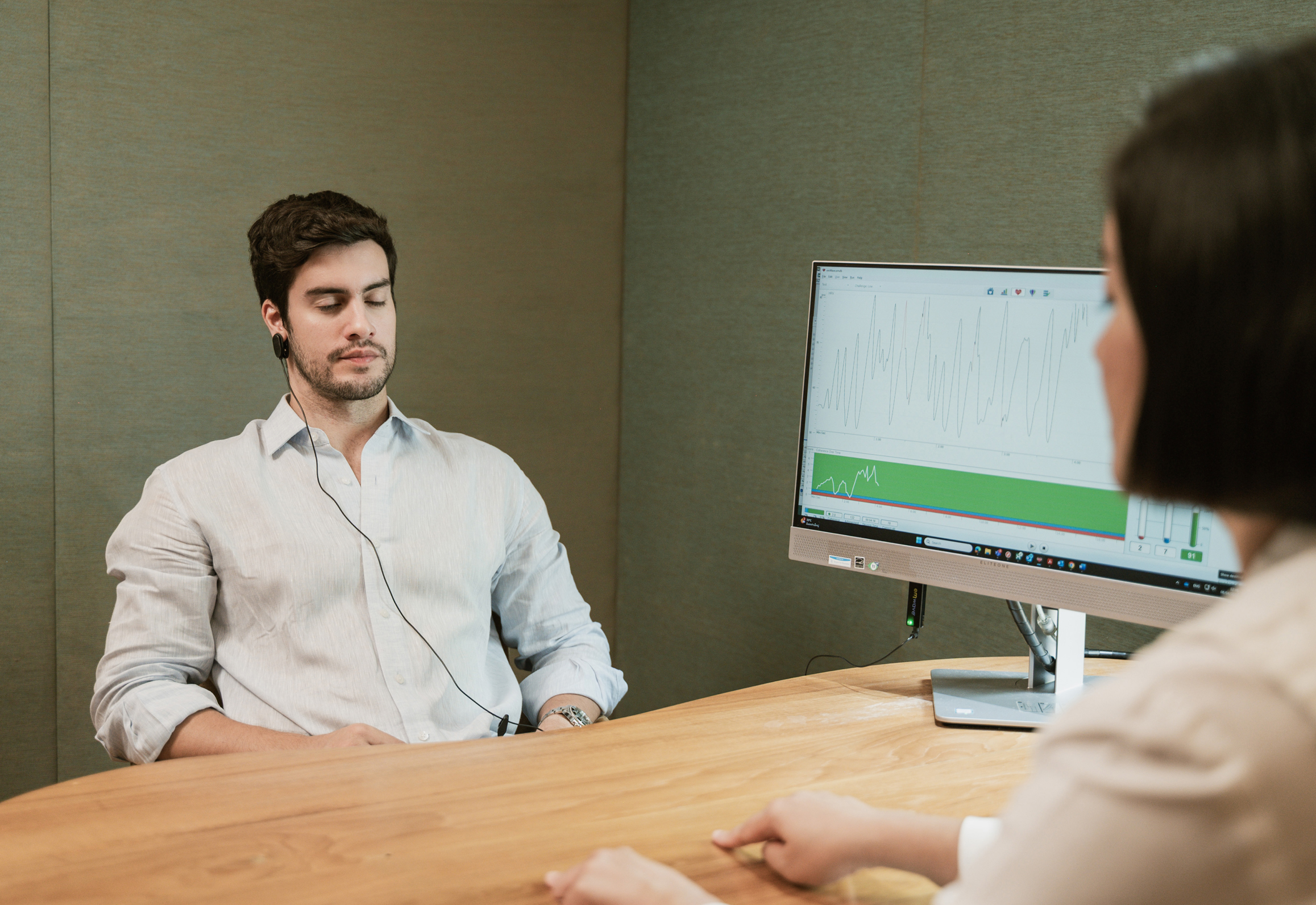
Since low vagal tone is associated with decreased heart rate variability (HRV), a marker of the body’s resilience in handling stress, Chiva-Som offers a service called Biofeedback Rebalance that measures heart rate variability. As we guide guests through breathing exercises that encourage rhythmic, calm breathing and improve vagal tone, they can see in real-time, how easy it is to change HRV and immediately experience the relaxing effects.
People are tired: brain tired, emotionally tired and physically tired and they need to find mechanisms to cope with it. At Six Senses we find that while guests may not arrive talking about their “vagal tone”, many are describing symptoms relating to it – fatigue that won’t lift, chronic tension, shallow sleep, emotional flatness. There’s an intuitive knowing now that something deeper is out of sync. They’re craving calm, clarity and connection. That’s the nervous system calling out for support.
I can speak to this personally. I had to look inward when my own DUTCH test revealed chronically high cortisol levels – my stress system was overfiring, even when I felt fine. Over the course of a year, I used everything Six Senses has on offer and slowly, gently, things began to shift. My cortisol is now trending in the right direction and the ripple effect has been profound. Better energy, deeper sleep, clearer thinking.
Nervous system work is truly foundational. It changes how your body functions at every level.
Nervous system regulation is the golden thread running through Six Senses’ programmes. We blend science and sacred traditions: restorative breathwork, sound healing, forest bathing, yoga nidra, red light therapy and biohacks such as cold exposure, compression therapy and more.
One of the most exciting evolutions is the introduction of somatic therapy. We’re training spa therapists and wellness practitioners in these techniques that help the body to feel safe again.
Some of our locations use Apollo Neuro, a device which sends gentle vibrations to the nervous system to help it shift out of fight-or-flight mode and into a parasympathetic state. I used it on my own journey back to balance and its effectiveness showed in my HRV score. Guests might use it during meditation, a sound healing session, or somatic bodywork, creating layered, multisensory regulation experiences.
The results speak both in science and in story. We track improvements in sleep, HRV and self-reported wellbeing, but some of the most powerful shifts are intangible. Probably one of the most important results is that it makes individuals listen to their bodies again. Nothing is more intelligent and knowledgeable than our body, but our tendency to ignore the signals leads us to the wrong place.
Supporting the nervous system – whether through humming, breathwork, a forest walk or a smart wearable – isn’t indulgent, it’s essential. From personal experience, I can say the body wants to heal – it just needs the right environment to do so.
KEYNOTE SPEAKER 2025, HCM SUMMIT
Anna Bjurstam will be a keynote speaker at the HCM Summit 2025


Nervous system regulation is going to become one of the most talked-about, and most important, conversations in health and wellness over the next decade. People aren’t just looking for fitness routines or diets anymore — they’re searching for real balance, deeper healing and tools that help them feel safe in their own body.
As the world becomes more overstimulated and disconnected, the need for nervous system support is only going to grow. We’re just beginning to understand how critical it is for everything – our health, relationships, productivity and longevity.
There are so many factors that can lead to nervous system dysregulation, and the unfortunate reality is that modern life exposes us to almost all of them. Chronic stress, poor sleep, trauma (both physical and emotional), nutrient deficiencies, excessive screen time, lack of movement, shallow breathing and environmental toxins all place a constant burden on our nervous system. When we’re overstimulated, under-recovered and disconnected from our bodies, our system shifts into survival mode, operating in a sympathetic, fight-or-flight state for too long.
When the nervous system is dysregulated, it impacts nearly every system in the body, with symptoms such as anxiety, chronic fatigue, digestive issues, inflammation, hormonal imbalances, brain fog or trouble sleeping, to name a few. Over time, these effects compound and can contribute to more serious chronic conditions. Healing, connection and peak performance are not possible when the nervous system is out of balance.
At Remedy Place, every experience is designed to restore balance, increase adaptability and build resilience within the nervous system. Some of our most effective vagus nerve and nervous system reset tools include contrast therapy, breathwork and sound baths, hyperbaric oxygen therapy, chiropractic and manual therapies. Nervous system health is the foundation for everything, from performance to presence to longevity, and we’re proud to be creating spaces where it’s prioritised, protected and optimised.
Proper breathwork, cold exposure, human connection, high-quality sleep and movement are foundational. I believe the most powerful medicine comes from within. If you give the body what it needs and remove what’s working against it, it knows how to return to balance.
The future of wellness is about feeling regulated, grounded and resilient in your daily life. That starts with the nervous system.
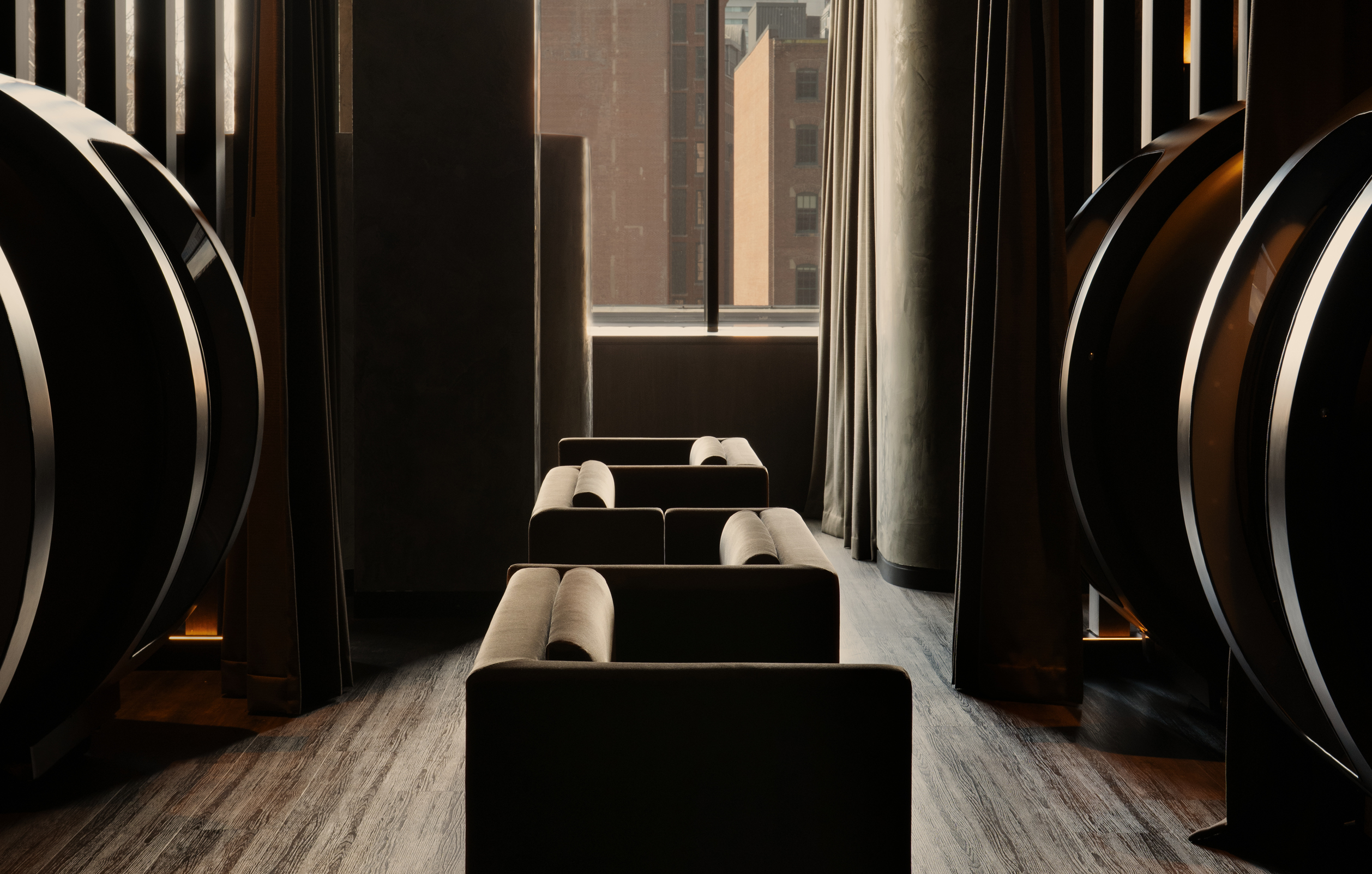

Vagus nerve activation has long been an integral part of our work. However, as awareness of the importance of the vagus nerve grows, we’ve recognised a need to create a dedicated massage treatment that is both profoundly effective and educational.
While many are beginning to hear about the vagus nerve, there remains widespread uncertainty around its function, how to regulate it, and the deep restorative benefits this can offer. This curated experience bridges that gap, offering people a grounded, science-backed therapy while deepening their understanding of this vital mind-body connection.
Subtle Energies has launched a massage to support the vagus nerve, which comprises pranayama techniques, a marma massage and the proprietary Vagus Nerve Procedure from the Bowen Therapy Academy of Australia: a gentle and precise tactile soft tissue technique applied along the upper thoracic, cervical and cranial regions.
The specific pranayama techniques incorporated are clinically shown to enhance heart rate variability (HRV) and increase vagal tone, improving stress resilience and emotional balance. Studies confirm even brief sessions of this pranayama can shift the nervous system from sympathetic overdrive into parasympathetic calm, making it a foundational tool in vagus nerve regulation. This technique also serves as a powerful and accessible take-home practice.
The marma massage gently stimulates vital points along the body’s neurological pathways. While very well studied in the ancient texts, modern interpretations align marma therapy with reflexive activation of the autonomic nervous system, supported by studies indicating increased parasympathetic response and reduced cortisol levels following marma point stimulation.
Research on Bowen is still emerging, and early findings suggest modulation of autonomic tone. It’s increasingly used in clinical practice to support neurovisceral integration, digestive function and emotional regulation. Our own experience in Bowen therapy is extensive and our clinical findings date back over 30 years, with an abundance of case studies using the vagus procedure.
High-grade essential oils, including Mogra, Sandalwood, Himalayan Rose, Jatamansi, Kewda and Tulasi are selected for their ability to modulate mood and autonomic function and some of these oils have specific chemical constituents that curate a more profound effect. Clinical trials have shown that specific essential oils increase HRV, reduce anxiety and lower cortisol.
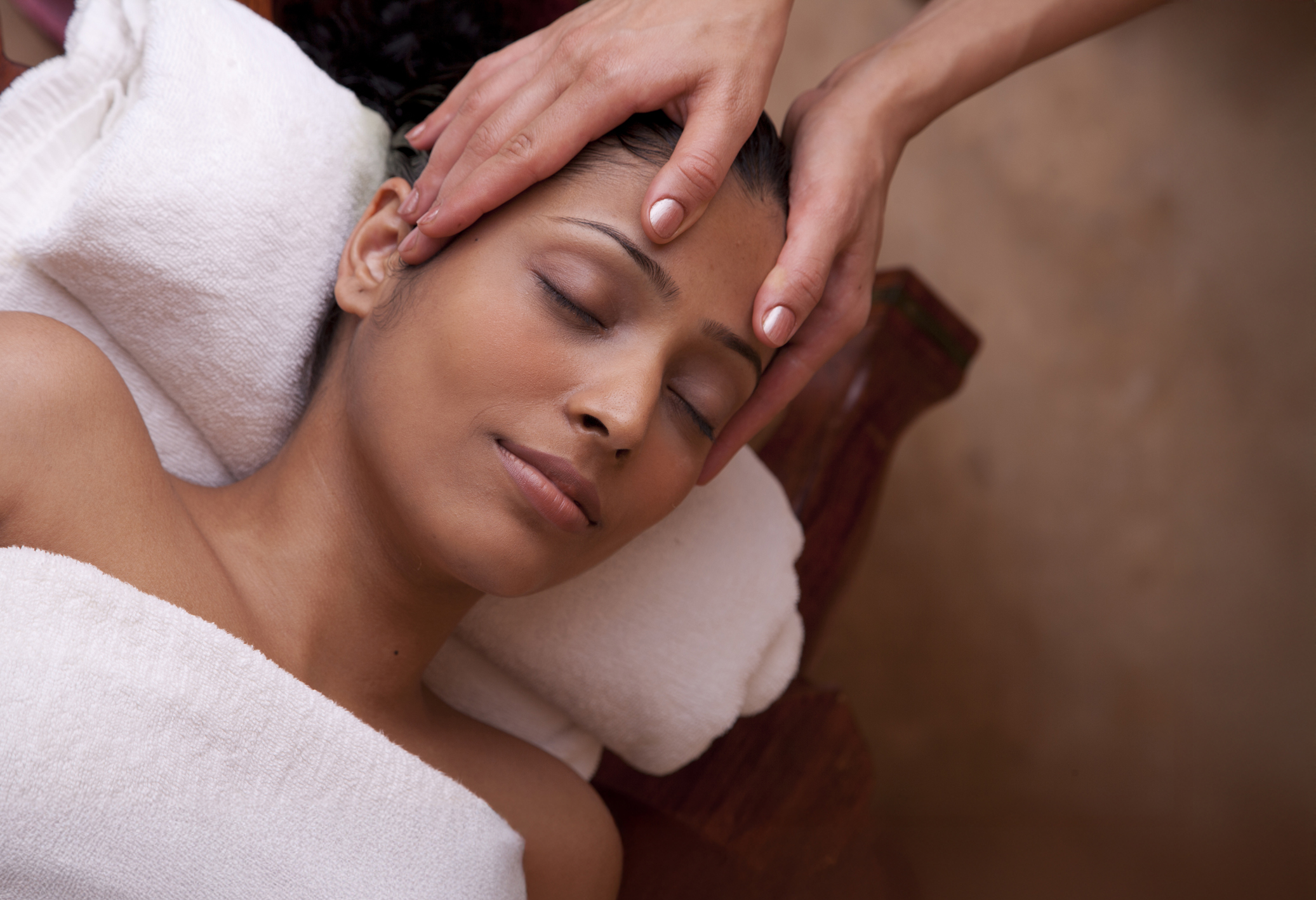

Nurosym is a non-invasive, wearable medical device that stimulates the vagus nerve by delivering gentle electrical impulses to the auricular branch of the vagus nerve, accessible through the surface of the outer ear. The electrical signals are precisely calibrated to activate the parasympathetic nervous system, shifting the body out of fight or flight and towards rest and digest. The device can be worn while getting on with everyday life, including working, relaxing or during exercise recovery.
Over the past decade, Parasym – the developer of Nurosym – has invested more than US$10m into research to make vagus nerve stimulation accessible, non-invasive and safer for a broader population. The device is now backed by more than 50 clinical studies, conducted in collaboration with institutions such as Harvard, UCLA, Yale, UCL, and Penn State.
These studies have shown a range of physiological and psychological benefits, including up to a 61 per cent increase in vagus nerve activity within minutes; improved sleep quality and reduced fatigue; lower anxiety and depression scores; reduced systemic inflammation and improved heart rate variability.
While Nurosym provides targeted stimulation, I recommend combining it with supportive daily habits to maximise its benefits: natural light in the morning to regulate circadian rhythms; prioritising nutrient-dense, anti-inflammatory foods; maintaining regular sleep and meal times; using breathwork, meditation, or gentle movement to engage the parasympathetic system, as well as reducing alcohol, caffeine and screen time, particularly before sleep. Practices such as humming, cold exposure, and social engagement can also help stimulate the vagus nerve.
These practices, when combined with the Nurosym device, may help regulate the nervous system more effectively over time.
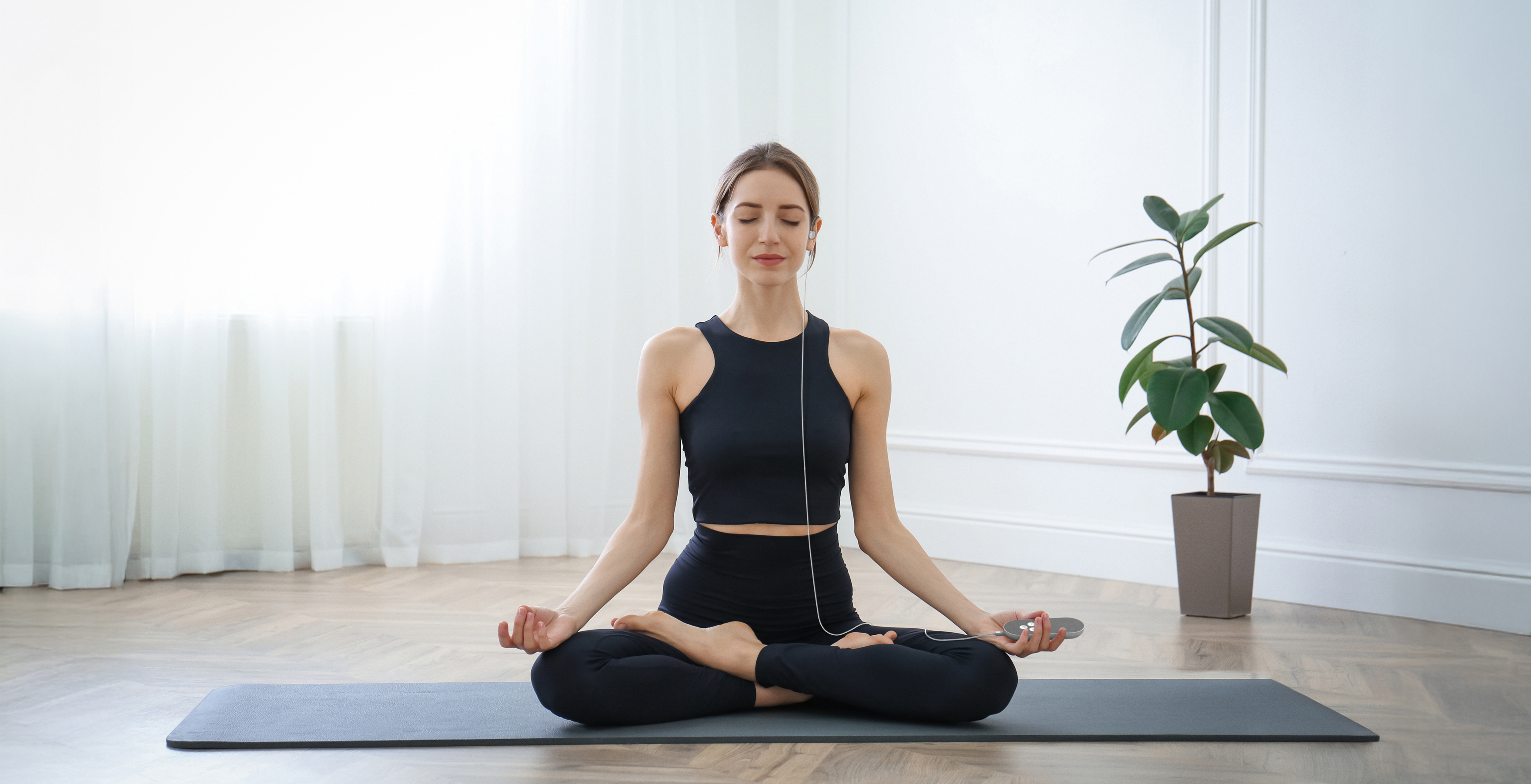

I emerged from a challenging run of life events a few years ago with a dysregulated nervous system, waking feeling exhausted and with anxiety and hypervigilance that was a constant energy drain, easily tipping me into overstimulation and overwhelm.
Brain fog affected concentration. I could never catch up on sleep because of waking in the night. It felt as though my soul was tired and I needed to go and stay at a high-end spa for a year. On my own.
After a 10-minute phone call, my GP prescribed HRT, anti-depressants and sleeping tablets. That felt very gloomy. Then I heard about the vagus nerve and embraced all the modalities to improve it: sea swimming through winter (contrast therapy is yet to come within 100 miles of my town); sound baths, somatic exercises, yoga, meditation, earthing, shaking, EFT tapping, breathwork, humming, walks in nature…
While they all feel pleasantly calming – most of these practices I intend to keep forever – and my symptoms have improved over the years, it has still felt as though I’m falling short of a full vagus nerve reset.
I want stress to roll off me, to have the focus and zen of a Buddhist monk and the energy levels I had in my 20s, which I believe might be possible if I can sleep deeply for a solid eight hours every night. So I was intrigued to try the Nurosym – a device I could attach to my ear and carry on with my day. After the first go I had a cracking night’s sleep. Sadly it was just the one night.
However, over the course of a month – and it’s been quite a challenging month – I’ve noticed subtle, yet profound differences. My HRV has improved, I’m also getting better at behaviours which make my nervous system feel safe – resting when tired instead of my default setting of pushing on through; asking for help; setting boundaries; recognising what is in and out of my control; staying calm and not reacting in stressful situations; having difficult conversations rather than avoiding them; better concentration – it does feel like the fog rolling back; being more present; better tolerance to noise; less anxious; a more optimistic mindset and better energy levels. It does feel like the reset I’ve been looking for.
The eight hours of unbroken sleep is still a work in progress, but nights are trending in the right direction, so I’m feeling hopeful it will happen.
As the vocal cords are connected to the vagus nerve, vibrations from humming, singing or gargling stimulate the nerve. Pay attention to the vibrations in the throat when humming or singing.
The tongue has connection to multiple cranial nerves including branches that affect vagal tone. Close your lips and draw circles with your tongue, pressing gently against your lips. Start with five clockwise and five anti-clockwise, then build up.
Slow, rhythmic breathing with extended exhales activates the parasympathetic nervous system through vagus nerve stimulation. Spend three to five minutes, sitting with good posture and inhaling through the nose for a count of four, hold for one and exhale slowly through the mouth for six.
The auricular branch of the vagus nerve supplies parts of the ear and research shows both ears contain vagus nerve pathways, with some showing the left ear to have more innervation. Focus on the concha (deep hollow at the bottom of the ear), the cymba concha, (the smaller hollow at the top of the ear) and the tragus (pointed part in front of the ear canal) and apply gentle pressure with small circular movements for one or two minutes per ear.
Cold stimulation, especially to the face and neck, triggers the mammalian dive reflex which activates the vagus nerve. Splash cold water on your face for 15 to 30 seconds, apply a cold pack to the back of your neck for one to two minutes or end a shower with 30 seconds of cold water.

Swim Teacher
Swim Teacher
Fitness Manager
Operations Manager
Contract Sales Manager
Membership Advisor
Recreation Assistant/Lifeguard (NPLQ required)
Team Leader
General Manager


General Manager
Swim Manager
Sports Coach
Sports Coach
Swim Teacher
Group Exercise Instructor - Aqua
Swim Teacher
Swim Teacher
Activity and Wellbeing Instructor
Swim Teacher
GP Exercise Referral Instructor
Duty Manager

Catalogue Gallery


Company profile
Directory
Featured Supplier
Property & Tenders
Company: Lee Valley Regional Park Authority
Company: Newmark
Company: EiA Real Estate
Company: Savills
Company: University of Oxford