

Global growth
The Health and Fitness Association’s latest HFA Global Report showed an industry resilient in the face of macro-economic challenges



One positive to come out of the pandemic was the consumer recognising the value of health and the perception of fitness changing from a leisure activity to a necessary, preventative health activity. Of those health club operators surveyed across 19 countries for the 112-page HFA Global Report, 86.8 per cent expected membership to increase and 92.6 per cent predicted revenue growth.
Despite this there are still many challenges: according to the World Health Organization. One-third of adults worldwide didn’t meet the recommended physical activity levels in 2022 and this number is projected to rise. Obesity and mental illness are also increasing.
Weight loss drugs are one of the most discussed trends; franchising is continuing to grow worldwide; AI is being embraced to aid personalisation, expand the market and reduce costs and inclusivity is another talking point, with diversity in employment and membership presenting challenges.
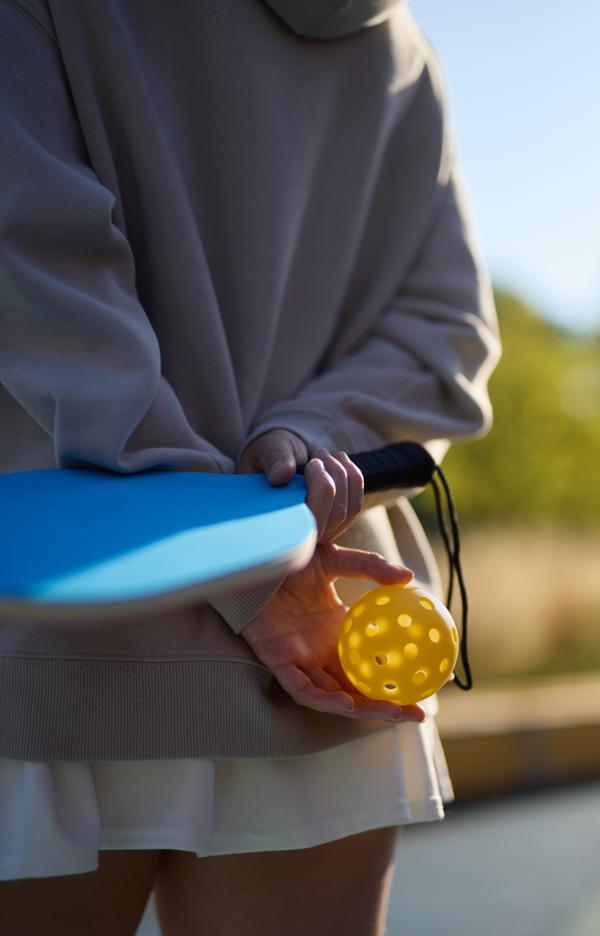
Pickleball participation in the US has increased by 224 per cent over the last three years and is also growing quickly in China, Australia and Europe. Fitness facilities are increasingly converting spaces devoted to other racquet sports into pickleball courts. Working spaces within gyms are also tipped as a burgeoning trend, with Life Time in the US and Wello Works in Australia active in this area.
Penetration rates
A number of countries reported record penetration rates in 2023: the US (23.7 per cent,). Germany (13.4 per cent), Spain (11.9 per cent), Switzerland (14.9,) Portugal (6.9 per cent) and Japan (4.5 per cent). The UK also posted all time highs in memberships and penetration (15.9 per cent.) Further to this, a recently released update from the HFA puts gym usage among both members and non-members in the US at a record breaking 31 per cent.
There is growth potential in Mexico (5.6 per cent), India (0.7 per cent) and Saudi Arabia (5.9 per cent), while Eastern Europe has an average of 8.4 per cent penetration.
By the end of 2023, Europe had almost 65,000 fitness clubs, with annual revenue at US$34.42 billion and all three indicators surpassing pre-pandemic levels.
Europe
Europe is home to many global leaders: almost 40 per cent of the 25 club companies with the most memberships are based on the Continent.
While Europe is dominated by homegrown players, among the firms based outside the region Anytime Fitness has the largest presence, with almost 400 sites. The European fitness market is resilient, with performance approaching or surpassing pre-pandemic levels.
In the UK, fitness sites were up by 0.2 per cent on 2023 levels; membership was the highest it’s ever been at 10.7 million, ditto market value which is 9.7 per cent higher than 2023 at £5.9 billion. The increased value is attributed to premiumisation and there’s a buzz of positivity across the sector.
Latin America
Latin America’s market is fragmented and offers untapped potential. HFA predicts further growth and development in this region due to data showing solid demand.
Smart Fit is the largest operator, with 1,438 units. It saw a 44 per cent growth in revenue from 2022 to 2023, and with 4.5 million members it ranks fourth globally in membership and seventh largest by sites.
Local players dominate this market, with some US franchises – Anytime Fitness, Planet Fitness and Orangetheory – each having a small presence.
The Middle East
The Middle East offers significant tailwinds as a result of the high-growth economies. Saudi Arabia is the largest economy in the GCC with independent chains making up 74 per cent of the market. Women-only gyms are an important segment.
Leejam / Fitness Time is the market leader in the Middle East, with more than 200 sites. In 2023 it ranked among the top 25 operators globally in terms of revenue at US$353 million.
Other Middle Eastern operators include GymNation (33 locations and 110,000 members), the Sports Club Company (55 units, 112,000 members), Kun Sports (50 units, 44,000 members) and Armah Sports Company (12 sites, 13,000 members).
Anytime Fitness, Fitness First Middle East and PureGym each have a growing presence in the region.
North America
The US fitness industry is responsible for US$22.4 billion of economic activity and supports 432,942 direct jobs. Membership in 2023 was 72.9 million: a 13.5 per cent increase from 2019.
Looking ahead, key themes are likely to be strategic consolidation; rethinking the US$10 per month high value, low cost membership; the convergence of preventative wellness and fitness; the emergence of gyms as social hubs and wellness centres; the potential passing of the Personal Health Investment Today Act and the effects of GLP-1 on fitness.
Canada has been slower to recover from the pandemic, with the penetration rate at 11 per cent, down from 16 per cent pre-pandemic. However, Gen Z are flocking to the gym and active ageing has exploded, so there is the expectation that 2024 will have seen a bounce back.
Australia
Despite a tightening economy, record numbers of people are joining gyms for social and motivational reasons. Increased media coverage about the benefits of exercise for physical and mental health conditions is helping to drive this, with many new joiners being female and older clients. Pilates and strength training are the fastest growing modalities. AusActive predicts a rise in more specialised and functional gyms going forward.
The report is available to buy from the HFA website at US$399 www.healthandfitness.org
Planet Fitness: 18.7 members and 2,575 locations
Anytime Fitness: 4.2 million members and 5,267 locations
Crunch Holdings: 2.6 million members and 458 locations.
Life Time: generated US$2.22 billion in revenue in 2023, making it number one globally for revenues. It had 1.5 million members and 171 sites.
RSG Group: more than five million members and third largest globally.
Basic-Fit: 3.8 million and sixth largest in the world, also the largest in Europe with 1,402 sites.
PureGym: 1.9 million, also 10th largest in the world and second largest in Europe with 573 sites.
Virgin Active: more than one million members & number 13 in the world.
Fitness Park Group: has one million members and is 14th largest with 282 clubs.


Swim Teacher
Swim Teacher
Fitness Manager
Operations Manager
Contract Sales Manager
Membership Advisor
Recreation Assistant/Lifeguard (NPLQ required)
Team Leader
General Manager


General Manager
Swim Manager
Sports Coach
Sports Coach
Swim Teacher
Group Exercise Instructor - Aqua
Swim Teacher
Swim Teacher
Activity and Wellbeing Instructor
Swim Teacher
GP Exercise Referral Instructor
Duty Manager




Company profile
Directory
Featured Supplier

Property & Tenders
Company: Lee Valley Regional Park Authority
Company: Newmark
Company: EiA Real Estate
Company: Savills
Company: University of Oxford