



Hot property
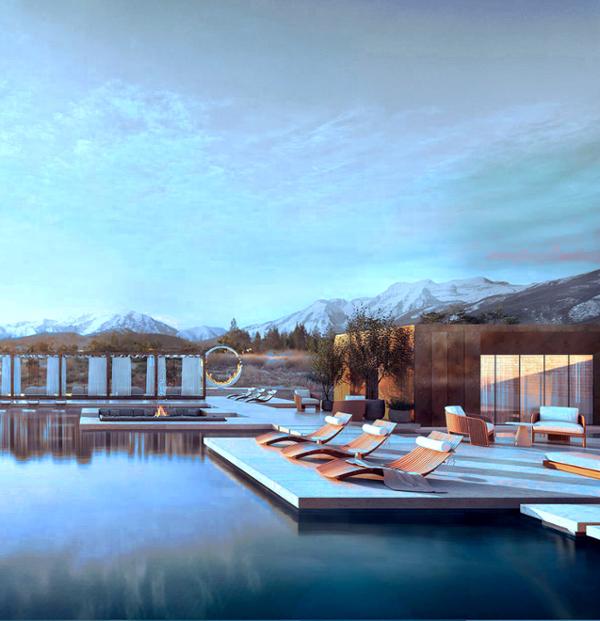
Richard Gere headlined at the recent wellness real estate symposium in New York, where new research shows the sector is forecast to reach US$913 billion by 2028. Katie Barnes and Megan Whitby delve into the numbers


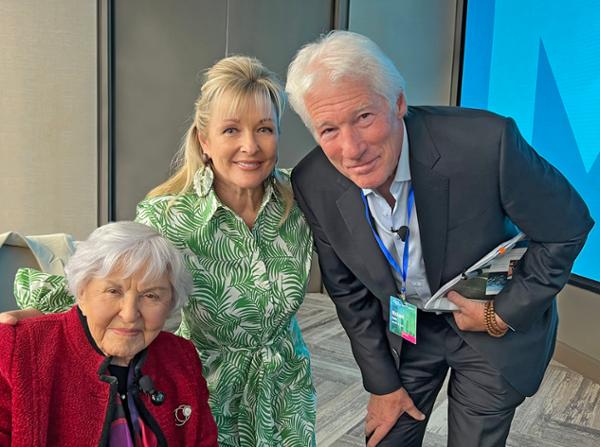
“Igrew up on a dairy farm in the mountains of Pennsylvania and while I don’t pretend to be a farmer like my dad, I’ve inherited that closeness to nature,” declared Hollywood actor Richard Gere, in his keynote speech at the recent Wellness Real Estate & Communities Symposium.
Hosted by the Global Wellness Institute (GWI) in Manhattan recently, the third edition of the event gave an overview of the global real estate sector, covering topics such as sustainability, healthy buildings and unique business models. More than 200 leaders in the field sat in anticipation of Gere’s words of wisdom.
A star on stage
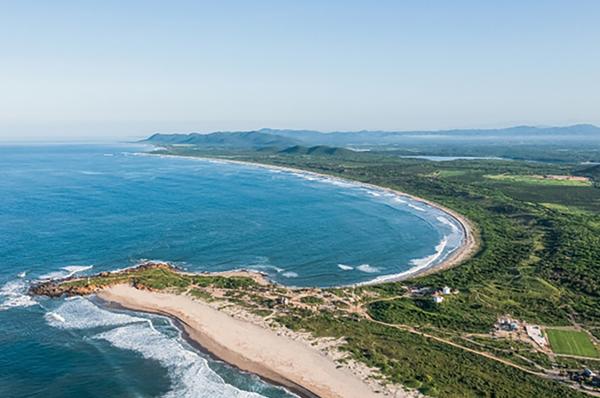
Talking to Amy McDonald – founder of Under a Tree, Wellness Consulting – Gere revealed details about Xala, a 3,000-acre regenerative development he’s been involved with for the last 10 years. Based on the Pacific Coast of Mexico, near Puerto Vallarta, the wellness community comprises 75 villa residences and a Six Senses which is due to open in 2026.
“There’s no one on this planet who doesn’t feel their breath changing and their whole mental outlook altering when they experience untouched, beautiful places,” said Gere. “Xala is all the beauty you’ve ever dreamed about. Five miles of pure land from low mountains, through incredible jungle and dunes to pristine beach.”
The captivating star spoke about how the people behind Xala are looking to create a blueprint for the project that not only restores the environment but also includes local communities.
“The visionary idea is to include local villagers, fishermen and farmers in the process and genuinely listen to them to understand what they want,” he said. “Not to go in as egotistical developers thinking we already know what’s good for them.”
Gere explained how, last year, the team on the project also realised that truly protecting the estuaries and land of Xala meant taking into account – and preserving – a much larger regional ecosystem. He’s now supporting Sierra A Mar (Ridge to Reef), an initiative to create a sustainable and regenerative plan for the 100km coastal stretch surrounding Xala.
“I’m 74 years old and I’ve seen beautiful places destroyed in my lifetime,” he concluded. “My job in this process is to be the conscience of Xala. It’s all about having a sense of humility and knowing you’re a small part of a bigger thing.”
Exciting new research
Another highlight of the symposium was the revelation that wellness real estate is by far the fastest-growing segment in the 11-sector global wellness economy.
Findings from Wellness Real Estate: Market Growth (2019-2023) and Future Developments – a new GWI research report released at the event – show wellness real estate surged in value from US$225 billion in 2019 to US$438 billion in 2023.
This represents 18.1 per cent annual growth over the past four years, which is significantly higher than the 5.1 per cent annual growth rate for the overall global construction industry.
“We’re not at all surprised by this finding,” said Katherine Johnston and Ophelia Yeung, GWI’s senior research fellows.
“More than any other wellness sector, wellness real estate embodies the multidimensionality of wellness. When done right, it has the greatest potential within the wellness economy to improve our holistic wellbeing and that of entire communities.
“As more people realise that their biggest investment – their home – is the ‘next frontier of their health’, the demand for wellness real estate will only continue to grow.”
According to the GWI, the pandemic supercharged the market because it dramatically accelerated the understanding among consumers and the building industry about how much external environments impact our physical and mental health.
Now, the GWI forecasts that the sector will grow 15.8 per cent annually from 2023 to 2028, when it will approach the trillion-dollar mark (US$913 billion).
The GWI defines wellness real estate as homes and buildings that are proactively designed, built and operated to support the holistic health of their residents.
The report includes regional and country data and finds that the US (US$181 billion, 41 per cent of the global market), China (US$73 billion) and the UK (US$29 billion) remain the three biggest national markets. It also analyses the biggest drivers and opportunities – as well as the greatest challenges – for wellness real estate in the future.
• To watch the full Wellness Real Estate & Communities Symposium from the Global Wellness Institute on demand, visit www.spabusiness.com/GWIrealestate


Community Activator Coach Apprentice
Membership Advisor
Customer Service Advisor
GP Exercise Referral Instructor
Swim Manager
Food and Beverage Manager
Activity and Wellbeing Coordinator
Membership Advisor
Food & Beverage Assistant







Company profile

Directory
Featured Supplier
Property & Tenders
Company: Lee Valley Regional Park Authority
Company: Newmark
Company: EiA Real Estate
Company: Savills
Company: University of Oxford