


Poor sleep: a critical health issue
Dr. Inmaculada Rodríguez-Ulecia outlines why she's leading a scientific sleep programme at a luxury resort in Gran Canaria



The impact of insufficient or poor-quality sleep is profound and affects multiple systems in the body.
A 2021 study found people who sleep less than six hours per night from the age of 50 have up to a 30 per cent higher risk of developing cognitive decline or dementia over the following 25 years.
The risk of developing or dying from coronary heart disease increases by 48 per cent and the risk of stroke by 15 per cent.
A 2017 review also linked poor sleep to disruption in hormones such as increased ghrelin (the hunger hormone) and decreased leptin (the satiety hormone). These disruptions were linked to weight gain and insulin resistance.
Poor sleep doesn’t just exhaust us – it makes us ill. The body enters a state of chronic alertness, with elevated cortisol levels, weakening physical and emotional recovery.
A global challenge
Based on recent epidemiological data, up to 40 per cent of the global population experiences some form of sleep disorder during their lifetime. In many industrialised countries, 30–35 per cent of adults sleep fewer than six hours per night and sleep problems have increased significantly over the past decade.
We live in a society that constantly disrupts our natural biological rhythms. Exposure to screens and artificial light at night, chronic stress, irregular schedules and sedentary habits all contribute to sleep deterioration. Poor eating habits, and a lack of relaxing routines before bed compound the problem.
There is also a cultural belief that equates productivity with success, glorifying sleep deprivation as a badge of honour – when in reality, it is a silent threat to our health.
Scientific Tempo retreat
In response to this crisis, I'm leading a scientific sleep retreat programme called Tempo at the Salobre Resort on the Spanish island of Gran Canaria in partnership with Salobre.
The programme will transform how people rest, providing Tempo retreat guests with medical assessments, tailored sleep improvement plans, nutritionist-designed meals, mindfulness routines, movement sessions and spa treatments.
Guest rooms will feature technology such as light waking alarms, air purifiers and attendees will wear sleep-tracking devices to inform the study. Post-retreat support will also be available to participants.
I'm working with a team at Universidad Fernando Pessoa Canarias to assess the programme’s outcomes, ensuring our methods and results are rooted in measurable, scientific parameters – contributing to a broader understanding of sleep science and rest.
• Dr Inmaculada Rodríguez Ulecia is a Spanish clinical neurophysiologist and specialist in sleep medicine, known for her work in diagnosing and treating complex neurological sleep disorders.
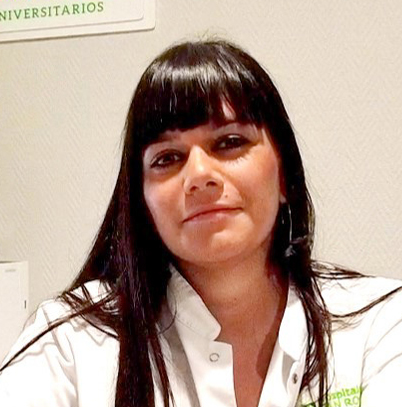
"Restorative sleep is a necessity, not a luxury – without it no other aspect of wellness can truly be sustained" – Dr Inmaculada Rodríguez-Ulecia, scientific coordinator for the Tempo programme


Swim Teacher
Swim Teacher
Fitness Manager
Operations Manager
Contract Sales Manager
Membership Advisor
Recreation Assistant/Lifeguard (NPLQ required)
Team Leader
General Manager


General Manager
Swim Manager
Sports Coach
Sports Coach
Swim Teacher
Group Exercise Instructor - Aqua
Swim Teacher
Swim Teacher
Activity and Wellbeing Instructor
Swim Teacher

Catalogue Gallery


Company profile

Directory
Featured Supplier

Property & Tenders
Company: Lee Valley Regional Park Authority
Company: Newmark
Company: EiA Real Estate
Company: Savills
Company: University of Oxford