




















BIG completes JinJi Lake Pavilion by the waterfront in Suzhou, China


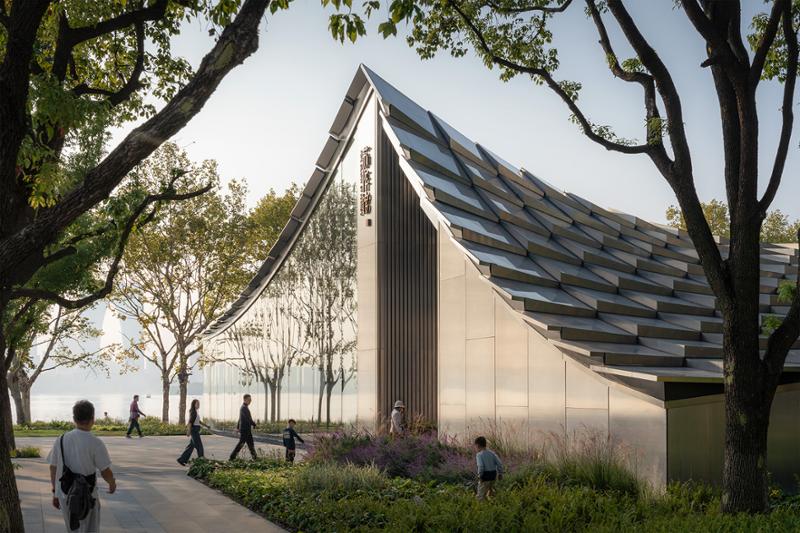
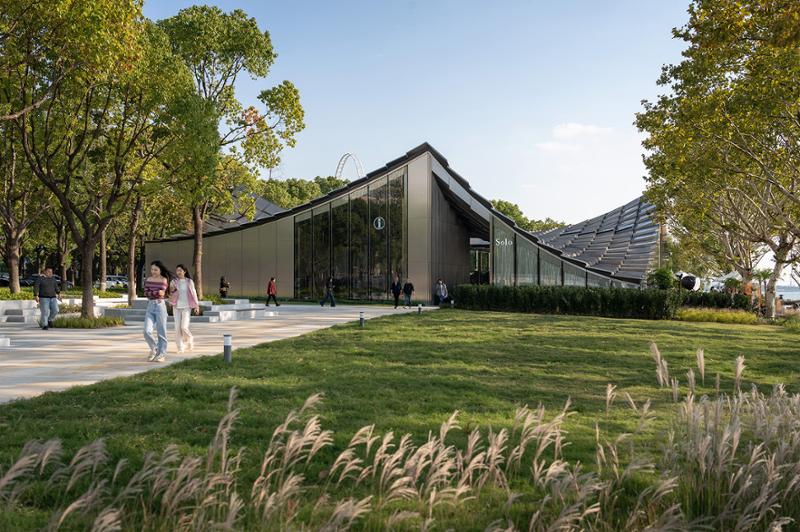
BIG – Bjarke Ingels Group has completed the 1,200sq m Jinji Lake Pavilion in Suzhou, China. Situated on the Jinji waterfront, the pavilion offers a space for public gatherings and hospitality and is one of the eleven permanent pavilions developed as part of the City’s initiative to create a vibrant and welcoming promenade.
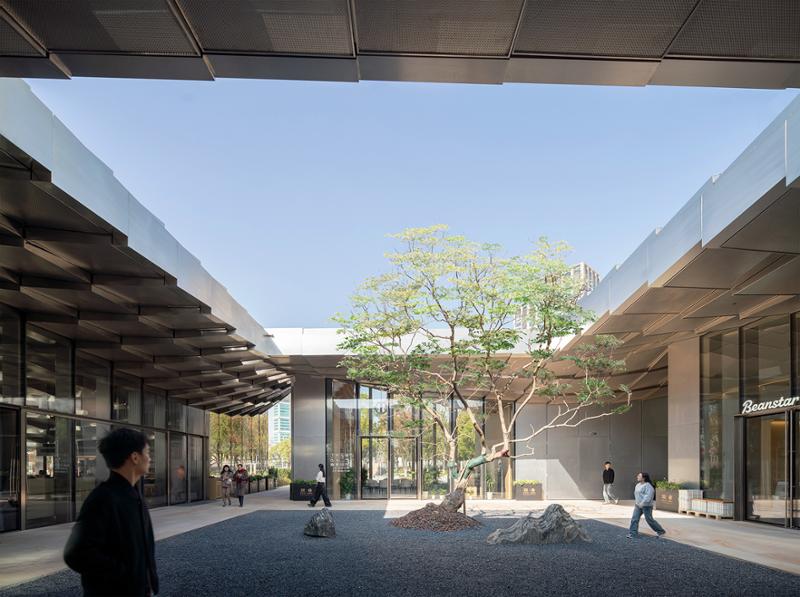
Designed by BIG and Arts Group, the new Jinji Lake Pavilion merges the traditional Chinese courtyard typology with the offerings of a modern public space. Four distinct buildings are interconnected to form a gathering space for visitors and locals, as well as a resting point for walkers along the 13-km Jinji Lake trail. The pavilion is BIG’s first completed building in Suzhou, with the neighboring Suzhou Museum of Contemporary Art scheduled to follow later this year.
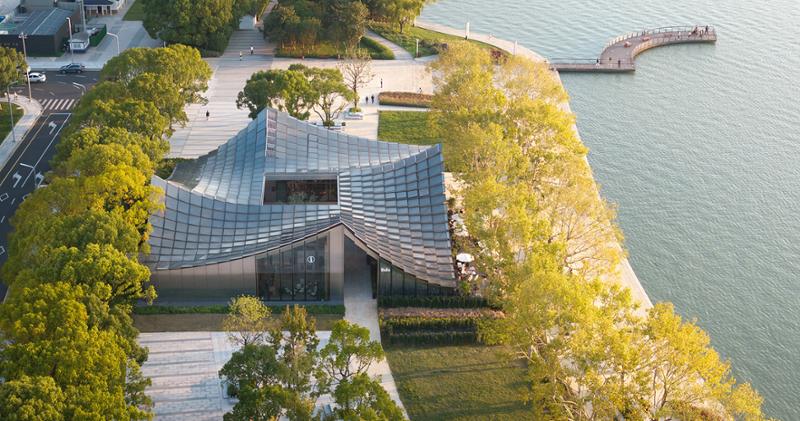
"Nestled under the grand camphor trees along the lake, the Jinji Lake Pavilion provides a tranquil space for the community," says Catherine Huang, Partner at BIG. "It is envisioned as an extension of the surrounding canopy of foliage. A stylized roof of pixelated leaves gracefully drapes toward the ground, providing a protective canopy over the junction of paths and framing spectacular views of the lake. Perforated plates cast dappled shadows, imitating the pattern of leaves while providing optimal thermal performance, blending poetic beauty with functionality."
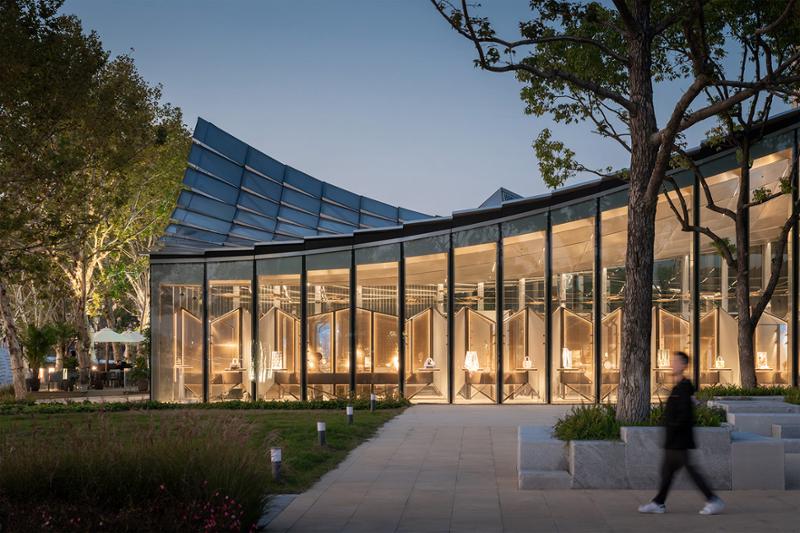
The pavilion’s generous glass facades allow views of the landscape from inside, while the polished steel surfaces mirror light and greenery, creating a subtle connection between the pavilion and the waterfront park. The pixelated roof further breaks down the scale of the structure, blending it with the textures of the surrounding environment.
"The Jinji Lake Pavilion is conceived as a family of public rooms arranged under a single unifying canopy," says Bjarke Ingels, Founder & Creative Director of BIG. "Evoking the architecture of traditional Chinese teahouses, the glazed ceramic tiled roof is replaced by actual glass tiles, taking the concept of lightness and transparency to another level, and blurring the distinction between indoor and outdoor - garden and architecture. Like a little sister to the Suzhou Museum of Contemporary Art, the Jinji Lake Pavilion seeks to reimagine the future architecture and landscape of the Lake District rooted in the rich heritage of Suzhou's Chinese garden architecture."
The pavilion’s roof is lifted on each side, creating generous double-height entrances that guide visitors into the central courtyard, where a tree serves as a tranquil focal point at the heart of the space. From the courtyard, guests can access the four sections of the pavilion, each housing its own function: a coffee shop, a boutique, a restaurant and a visitor center.
Drawing the surroundings inside the pavilion, the roof structure features two layers of perforated shading elements – an outer layer integrated into a glass assembly and an inner layer forming the ceiling. Together, they provide glimpses into the sky and allow daylight to come through the perforations, casting patterns of light and shadow throughout the day.
In 2024, BIG opened its studio in Shanghai to support the development of the Jinji Lake Pavilion and adjacent Suzhou Museum of Contemporary Art and to further expand the firm’s presence in the region.

Sports Coach
Sports Coach
Swim Teacher
Party Leader
Group Exercise Instructor - Aqua
Membership Advisor
Swim Teacher
Customer Service Advisor
Swim Teacher


Activity and Wellbeing Instructor
Operations Manager - Brentwood School Enterprises
Fitness Manager
Swim Teacher
GP Exercise Referral Instructor
Duty Manager
Community Activator Coach Apprentice




Company profile

Directory
Featured Supplier

Property & Tenders
Company: Lee Valley Regional Park Authority
Company: Newmark
Company: EiA Real Estate
Company: Savills
Company: University of Oxford