






















Some breast cancer cells feed off lipids, find researchers


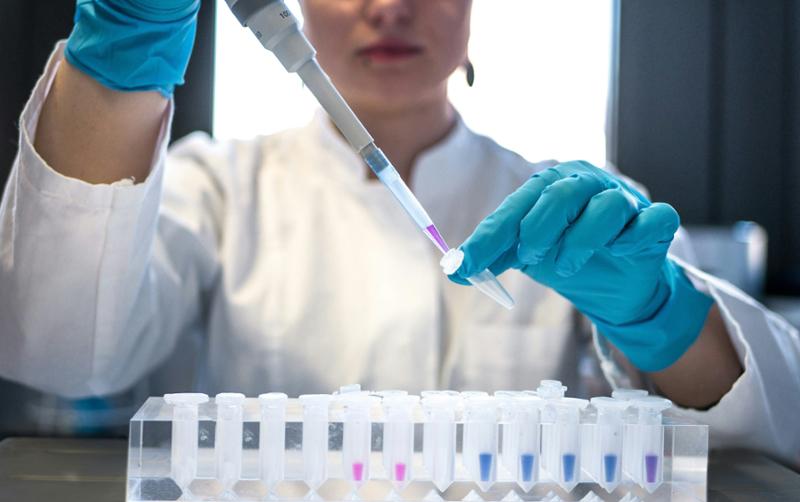
Researchers from the Huntsman Cancer Institute at the University of Utah have found that triple-negative breast cancer cells are fuelled by lipids, a feature tied to obesity.
A high amount of lipids in the blood, known as hyperlipidemia, is a common condition associated with obesity and researchers found this can accelerate tumour growth. Lowering these fats in trials slowed cancer progression.
Keren Hilgendorf, Huntsman Cancer Institute investigator and assistant professor of biochemistry at the University said: “Our study shows that breast cancer cells are really addicted to lipids, and the abundance of lipids in patients with obesity is one of the reasons that breast cancer is more prevalent and more aggressive in these patients.”
Researcher, Amandine Chaix, explains that lipids form the surface membrane of the cell and are like building blocks: “So if a cell receives the signal to proliferate and more building blocks are available, the tumour is going to grow more easily.”
The research showed that lowering the amount of lipids, in the presence of high glucose and insulin levels, was enough to slow down breast cancer cell growth. This could lead to better therapies and diet recommendations to slow cancer growth as well as the use of lipid-lowering medications.
Another key finding of the research was that for patients with breast cancer, trying to lose weight by using the high-fat, low-carb keto diet is not recommended. The goal of the keto diet is to trigger the metabolic condition of ketosis, where the body uses fat instead of carbohydrates as a source of energy. While this might lead to weight loss, it could have unintended metabolic side effects. However, researchers say this diet might still be beneficial for patients with other types of cancers.
The next steps for the research team will be to preclinically evaluate how anti-lipid drugs could improve responses to chemotherapy and to better understand how the lipids are feeding cancer cells.
The research was funded by the National Cancer Institute and was published in Cancer and Metabolism. Renan Vieira is the first author.
ENDNOTE
Lipids are important for cell health and perform functions like long-term energy storage, insulation and protection for organs. However certain lipids, such as certain cholesterols and triglycerides can be harmful and lead to serious health issues. Elevated levels of these fatty substances increases the rise of the build up of plaque in arteries making it harder for blood to flow.
Diets which are high in saturated and trans fats can raise cholesterol, as can a lack of physical activity and genetics.


Sports Coach
Sports Coach
Swim Teacher
Party Leader
Group Exercise Instructor - Aqua
Membership Advisor
Swim Teacher
Customer Service Advisor
Swim Teacher


Activity and Wellbeing Instructor
Operations Manager - Brentwood School Enterprises
Swim Teacher
GP Exercise Referral Instructor
Duty Manager

Catalogue Gallery



Company profile

Directory
Featured Supplier

Property & Tenders
Company: Lee Valley Regional Park Authority
Company: Newmark
Company: EiA Real Estate
Company: Savills
Company: University of Oxford