


















'Building walls is not a good idea': Jan Gehl and Helle Søholt on the need for shared people-friendly cities


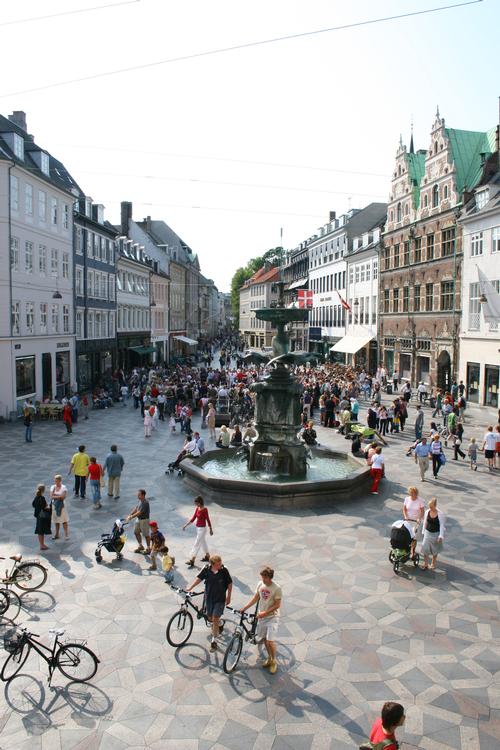
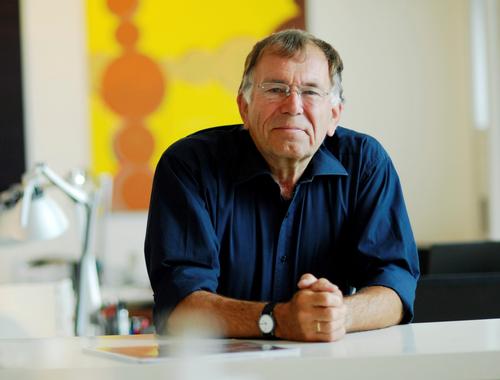
The rise of modernism and motorism has created “technocratic, soulless cities which make cars and developers happy, but have no concern for people living in and using them,” according to Danish architect and urban designer Jan Gehl.
In an exclusive interview with CLAD, Gehl and Helle Søholt, a founding partner at Gehl Architects, explained how city planners must be more “pro-people” when making important decisions on urban infrastructure and public space.
“If you go to the suburbs of Moscow you can see what modernism has done – created soulless concrete silos,” said Gehl. “And if you take a tour of Los Angeles you can see what motorism has done – spread people out over huge land masses, based on the premise that gasoline is cheap, resources are endless and all families are nuclear and well functioning.
“Both concepts have severe weaknesses and use the earth’s resources. We are running out of gasoline and there is no room for cars. They are not a smart technology in the big cities of the 21st century.”
The architect – who has created urban plans for Copenhagen, Melbourne, San Francisco and Moscow, among others – added that car-oriented planning means navigating cities on foot and by bicycle is difficult, making it necessary to citizens to sit for a dangerous number of hours a day.
“Active cities are important, both for sustainability and for health,” he said. “City planning which makes people sick is expensive. If people are able to move more they are healthier and cost less. Also cities which offer good liveability and quality of life, attract more investment, which is good for the economy.
“[Planning decisions should be made] based on raising the quality of life and improving physical surroundings, allowing children to be children and adults to be adults, and accommodating the elderly – a fast growing demographic.”
Asked to provide an example of cities that have planned well, Gehl praised New York and Moscow for reversing negative trends by reducing parking, introducing bicycle lanes and wide sidewalks and improving access to parks and squares – factors he said were giving “the city back to the people.”
Søholt argued that a “lively, robust and inclusive public rail network is fundamental for a resilient city,” so that people from all backgrounds can use their city in the same realm.
“That’s so fundamental to supporting democratic processes and connectivity in society,” she said. “It [also] costs much less to build pedestrian and cycling infrastructure and public spaces than highways. But the difficulty is accommodating public life as an afterthought to a city which has been planned on the old modernist approaches.
“We fight a lot with unprogressive transport departments, which think cars have the right of way.”
She added that “we have to embed the politicians in making [positive] change, otherwise it’s just an uphill battle,” arguing that their support in creating truly public spaces is integral to bringing communities together.
“In the light of the US election we have talked a lot about how there seems to be a stronger divide in society.” she said. “I think it’s becoming more important than ever to focus on the shared infrastructure and public realm in cities, where trends of movement are balanced, and find ways of supporting citizenship, so we all come to understand that we can benefit from developing shared space.
“Building walls is not a good idea.”
The full interview with Jan Gehl and Helle Søholt, and a look back at their landmark projects, can be found in the new issue of CLADmag.
The magazine – which also features interviews with Peter Zumthor, Richard Meier, Tina Norden and the creative team behind London's new Design Museum – can be read in print, online, or on digital turning pages.


Swim Teacher
Party Leader
Group Exercise Instructor - Aqua
Membership Advisor
Swim Teacher
Customer Service Advisor
Swim Teacher
Activity and Wellbeing Instructor
Operations Manager - Brentwood School Enterprises


Fitness Manager
Swim Teacher
GP Exercise Referral Instructor
Duty Manager
Duty Manager
Duty Manager
Community Activator Coach Apprentice



Company profile
Directory
Featured Supplier

Property & Tenders
Company: Lee Valley Regional Park Authority
Company: Newmark
Company: EiA Real Estate
Company: Savills
Company: University of Oxford