
















Pictures representing care and affection can silence the brain's response to threatening situations



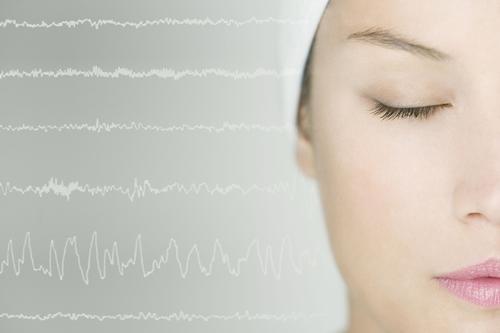
Looking at pictures of others being loved and cared for reduces the brain’s response to threat, highlighting a way to treat stress and trauma, according to new research from the UK's University of Exeter.
Forty-two individuals participated in the study, which used functional magnetic resonance imaging to record the brain’s response. The study was published in the Social, Cognitive and Affective Neuroscience journal.
The brain’s threat monitor, the amygdala, did not respond to images showing threatening facial expressions or words after having initially been shown pictures of people receiving emotional support and affection. This lack of response occurred even if the person was not paying attention to the content of the positive affectionate pictures.
The study therefore suggests being reminded of being loved and cared for dampens the threat response and may allow more effective functioning during stressful situations and activation of self-soothing resources after a traumatic event has taken place.
Previous research has shown that brain responses to pain are reduced by similar reminders of being loved and cared for, but this is the first time the same has been shown for brain responses to threat.
The senior researcher of the study, Dr Anke Karl of the University of Exeter said: “A number of mental health conditions such as post-traumatic stress disorder (PTSD) are characterised by hypervigilance to threatening information, which is associated with excessive negative emotional responses, amygdala activation and a restricted ability to regulate these emotions and self-soothe.
“These new findings may help to explain why, for example, successful recovery from psychological trauma is highly associated with levels of perceived social support individuals receive,” added Karl. “We are now building on these findings to refine existing treatments for PTSD to boost feelings of being safe and supported in order to improve coping with traumatic memories.”
Following these results, the University of Exeter will run research studies measuring body and brain responses to understand related mechanisms in different populations such as highly self-critical individuals, individuals suffering from depression and survivors of psychological trauma.
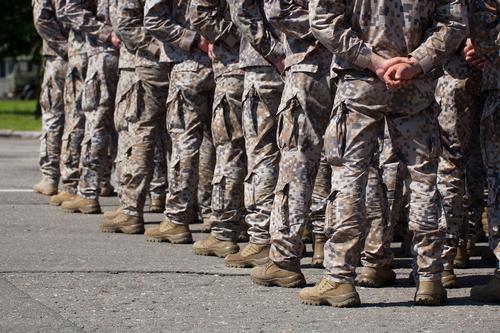
Individuals whose jobs involve high levels of stress, such as the military, have recently been highlighted as an ideal group by the International Spa Association (ISPA) for spa therapy-related research.



General Manager
General Manager
Swim Manager
Membership Advisor
Sports Coach
Sports Coach
Swim Teacher
Party Leader
Group Exercise Instructor - Aqua


Membership Advisor
Swim Teacher
Swim Teacher
Activity and Wellbeing Instructor
Operations Manager - Brentwood School Enterprises
Swim Teacher
GP Exercise Referral Instructor
Duty Manager

Catalogue Gallery


Company profile
Directory
Featured Supplier

Property & Tenders
Company: Lee Valley Regional Park Authority
Company: Newmark
Company: EiA Real Estate
Company: Savills
Company: University of Oxford