











Spa Business picks the top wellness microtrends from GWI




The Global Wellness Institute (GWI) has released a report that captures microtrends emerging across the spa and wellness industry according to each of its initiatives.
The GWI’s initiatives operate as independent groups and task forces to grow their particular subject’s sector of the wellness market.
“While there are many lists of wellness trends these days, there were no lists of wellness trends in these specific categories and we thought there should be,” said GWI chair, Susie Ellis. “Trends are signals. Often, they serve as leading indicators for where things are heading and can reveal new markets, products or services before they actually emerge. When you follow them intelligently, you stay ahead of the curve – not behind it.”
From sleep divorce to solo ageing, Spa Business has picked out each of the initiatives’ most interesting microtrends, as follows:
Aesthetic Health Initiative – Less invasive, effective medical aesthetics
Members of this initiative believe products will start to include more regenerative ingredients and innovative delivery systems for visibly improved skin health.
Africa Wellness Initiative – Beyond the safari Africa’s wellness tourism industry is becoming more well-known for offerings other than safari experiences – such as plant medicine retreats, spiritual pilgrimages and desert star-bathing.
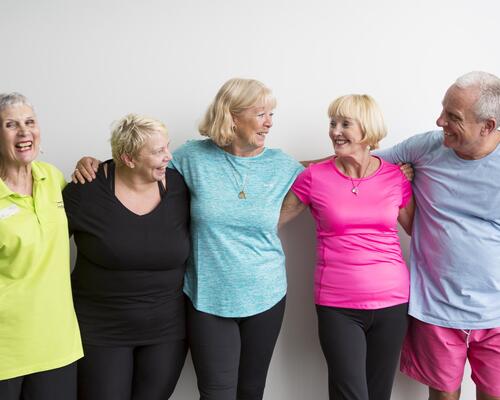
Ageing Well Initiative – Solo ageing
Solo ageing, where older adults live alone without a life partner or children, is becoming increasingly prevalent. Companies are developing services tailored to this demographic to improve their wellbeing and maintain independence as they age.
AI Initiative – Personalised fitness and wellness technologyThe wellbeing advice given by AI, based on more accurate and integrated wearable technology and software, is only set to become more bespoke.
Breathing Initiative – Breathing science
The authors of this initiative expect a new field of psychophysiological science to emerge, to understand how breathing in particular ways can have practical applications.
Consulting Best Practices Initiative – AccessibilityGuests with limited physical mobility are catered for. Accessibility also applies to pricing, specifically democratised or dynamic pricing, which should be considered for long-term growth in some cases.
Cryotherapy Initiative – Personalised treatments
Whole-body cryotherapy treatments are starting to become personalised according to BMI, gender, age and skin type by adjusting session lengths and frequency.
Dying Well Initiative – Death doulasNon-medical companions who provide comfort to those facing terminal illness or death are on the rise.
Hormonal Wellness Initiative – Medical misogyny
Healthcare research, teachings and practices have long ignored female health, but as awareness of medical misogyny grows, the future of women’s health research could start to look a bit brighter.
Hydrothermal Initiative – Ice bath backlashExtreme cold exposure might not be good for everyone and there is an emerging shift towards gentler cooling.
Inclusive Wellness Initiative – Ancestral healing through epigenetics
Wellness coaches and somatic therapists are using epigenetic principles and narrative-based healing to deliver body-based trauma release, movement therapy and mindfulness practices for those suffering from intergenerational stress.
Lifestyle Medicine Initiative – Treating physician burnoutEmployers are under pressure to balance the short-term cost of providing workers with access to lifestyle programmes (to decrease burnout) and the long-term investment in their workforce’s wellbeing.
Massage Initiative – Robot massage
AI robotic massage and percussive therapies are providing innovative wellness experiences at spas around the world.
Men's Wellbeing Initiative – Toxic influencers vs positive masculinitySocial media platforms are providing a space for competing narratives of masculinity. In opposition to the personalities promoting a hyper-masculine anti-feminist ethos, there are supportive networks and forums offering retreats and training for men to become emotionally mature and end loneliness.
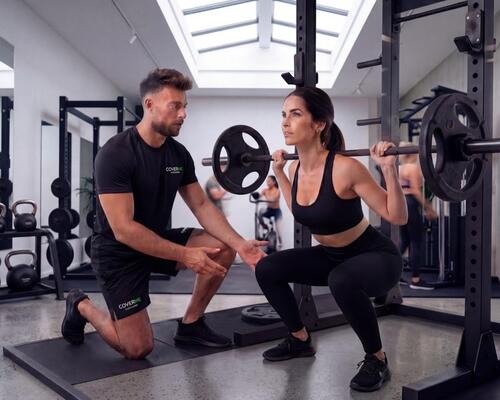
Mental Wellness Initiative – Resistance training
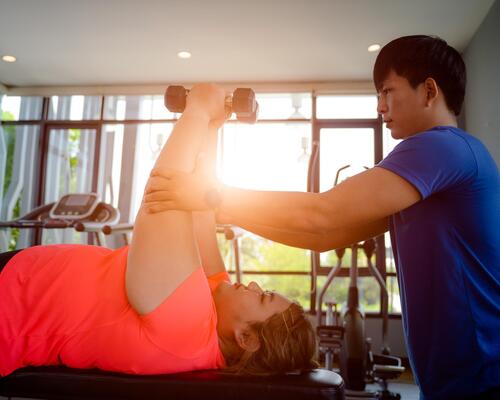
Resistance training enhances cognitive function and has a positive impact on mental health – reducing anxiety and depression.
Music Wellbeing Initiative – Digital technology AI is being used to tailor music to individual needs and physiological responses, such as reducing heart rate and stress hormones.
Nutrition for Healthspan Initiative – Soil health
Regenerative organic agriculture enhances the micronutrient content of food. It’s a form of farming that embraces soil biodiversity, carbon sequestration and nutrient cycling.
Respiratory Wellness Initiative – Clean airTravellers are seeking out destinations with certifications in clean air and operators are adopting cleaner standards by adding in-room technology such as air purifiers, filtration systems and monitors.
Sleep Initiative – Sleep divorce
The trend for couples opting for separate sleeping arrangements to improve their rest is gaining traction, challenging long held norms about what it means to share a bed.
Sport and Hospitality Initiative – Sports tourismSports tourism is a fast-growing segment in the hospitality industry – giving properties in destinations hosting major sporting events the ability to market event-related accommodation packages.
Touchless Wellness Initiative – Wellness for all
Touchless wellness technologies are creating more inclusive and accessible experiences, reaching a broader audience than that of the traditional spa market.
Wellness Architecture and Design Initiative – Bio-tracking powered by AIAI will be integrated into buildings to enable the living environment to adjust to human needs. This will be done by bio-tracking – adapting the lighting, temperature and air quality based on how you’re feeling.
Wellness Communities and Real Estate Initiative – Brain-friendly buildings
Design teams are embracing neuroscience to create environments that promote mental clarity, emotional resilience and overall wellbeing.
Wellness for Cancer Initiative – Hospitals offer holistic practicesAcupuncture and massage are now available at hospitals in some parts of the world as part of pain management strategies for those suffering from cancer. More holistic practices could follow.
Wellness for Children Initiative – Reverse consumption
Children in China are becoming more aware of how they spend their money and are using terms such as “reverse consumption” to change their shopping habits and save.
Wellness Tourism Initiative – Government-led wellnessGovernments around the world are pursuing major infrastructure and attractions projects with the wellbeing of locals and visitors in mind, including gardens, therapeutic art installations and culture-based wellbeing experiences.
Workplace Wellbeing Initiative – Brain health programmes
Companies are attempting to reduce employee stress by offering cognitive wellness programmes, which include mindfulness and meditation training, workshops on neuroplasticity, mental recovery breaks and tips for nutrition.
Yoga Therapy Initiative – Unplugging from anxietyDuring and after the Covid pandemic, young adults in particular suffered from unprecedented levels of anxiety. Many are now using low cost AI-driven wellness apps and on-demand yoga sessions to prioritise their mental and emotional health.
To download and read the GWI’s microtrends booklet for yourself, click here.

Membership Advisor
Sports Coach
Sports Coach
Swim Teacher
Party Leader
Group Exercise Instructor - Aqua
Membership Advisor
Swim Teacher
Customer Service Advisor


Swim Teacher
Activity and Wellbeing Instructor
Operations Manager - Brentwood School Enterprises
Swim Teacher
GP Exercise Referral Instructor
Duty Manager

Catalogue Gallery


Company profile

Directory
Featured Supplier
Property & Tenders
Company: Lee Valley Regional Park Authority
Company: Newmark
Company: EiA Real Estate
Company: Savills
Company: University of Oxford