














UK Active’s punchy letter to the chancellor challenges the budget


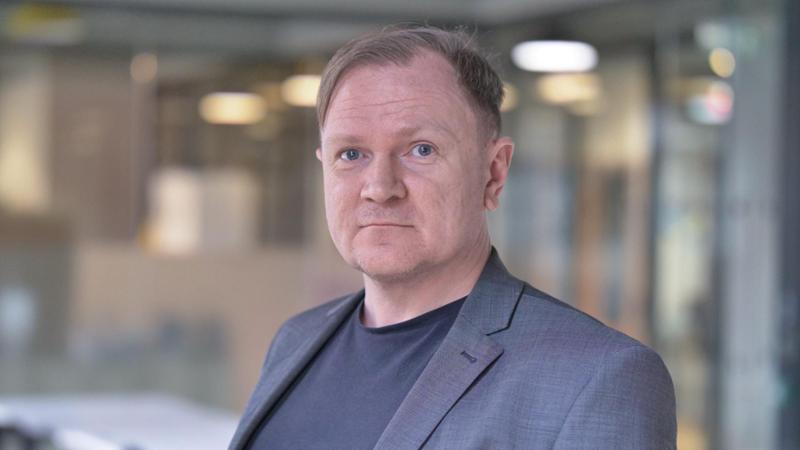
UK Active has written to chancellor, Rachel Reeves, asking for measures to offset the cost increases the fitness sector will incur as a result of the Autumn Budget.
According to sample evidence from the trade organisation’s membership, the combined impact of the 35 per cent rise in business rates, the increase in National Insurance Contributions and the reduction in the threshold at which employers start to pay National Insurance (from £9,100 to £5,000 per year per employee), as well as the uplift to the National Living Wage will result in a 10 per cent increase in payroll costs, which is particularly damaging for small businesses and could potentially lead to job losses, closed businesses and increased membership costs.
In response, UK Active is urging the government to reduce VAT charged on health and wellbeing businesses, reform business rates, invest in incentivisation programmes and integrate the sector within the healthcare system.
UK Active CEO, Huw Edwards, wrote: “Across our sector, large private providers, public leisure operators and independent gyms are reporting that the additional costs have forced them to abandon some of their plans for new facilities, halt recruitment or begin to reduce hours and make redundancies.
“Our members have an integral role to play in improving health and driving economic growth and are essential in supporting the government to deliver on its five missions. While we recognise the importance of ensuring the long-term security of the nation’s finances, these latest measures represent a major threat to our members' ability to support the government in achieving its missions and to serve the communities in which they operate.”
Passing costs on to members would have a negative impact on the health of the nation, as UK Active’s research has already shown cost to be the biggest barrier to entry: 67 per cent of consumers say it is their main obstacle to taking out memberships and 39 per cent of adults say the energy crisis and rising cost of living has had a negative impact on their ability to participate in physical activity.
Other industry sectors are also protesting about the expected impact of the budget, with both UK Hospitality and the British Retail Consortium (BRC) raising serious concerns.
Many of the UK hospitality sector's leading companies have signed a letter to the chancellor Rachel Reeves, warning of the "unprecedented damage the rise to employment costs will inflict on the industry."
They call the budget “regressive in its impact on lower earners” and warn that “business closures and job losses within a year” are inevitable.
UKHospitality board members, which includes the bosses of Fuller’s, Stonegate Group, Azzurri Group, Whitbread and Mitchells & Butlers, have written to the chancellor, supported by a further 108 hospitality businesses, including The Restaurant Group, Loungers, JD Wetherspoon, Big Table Group and Young’s, to outline the impacts of the additional £3.4bn in costs facing hospitality in April.
The signatories say that the lowering of the threshold at which employer National Insurance Contributions (NICs) is paid to £5,000 will bring in thousands of part-time staff that were previously never affected, disproportionately affecting hospitality.
They also warn that the cost increases will cause small business closures, businesses to reconsider investment plans, jobs to be cut, hours to be reduced and contract caterers struggle to meet public sector catering contracts for schools, hospitals and prisons.
UK Hospitality has put forward two measures to mitigate this impact. Firstly, the creation of a new employer NICs band from £5,000 to £9,100, with a lower rate of 5 per cent and secondly, to implement an exemption for lower band taxpayers working fewer than 20 hours per week, targeting support for part-time and lower paid workers.
Large UK retailer businesses, including Tesco, Boots, Marks & Spencer and Next have also written to Reeves to say that a £7 billion increase in annual sector costs following the budget would lead to job losses and price hikes.
The letter had 79 signatories protesting the upcoming increase in the national living wage and employer national insurance contributions.
The BRC said absorbing higher costs will mean higher retail prices for consumers, smaller pay rises for employees, as well as job cuts and potential retail closures.
“For any retailer, large or small, it will not be possible to absorb such significant cost increases over such a short timescale,” said the BRC. “The effect will be to increase inflation, slow pay growth, cause shop closures and reduce jobs, especially at the entry level. This will impact high streets and customers right across the country.”
The Guardian is also reporting that Andrew Bailey, governor of the Bank of England, has told the Treasury committee that retailers are right to flag up the risk of job cuts due to the changes in NICs.
Bailey said job losses could turn out to be more than the 50,000 forecast by the UK's Office for Budget Responsibility immediately following the budget.
The full UK Active letter is here:
Dear Chancellor
I am writing on behalf of ukactive in the wake of the Autumn Budget to highlight the concerns
of our members in response to some of the measures outlined, and request engagementwith your department on how we can mitigate the adverse impacts for our sector.
ukactive is the trade body for the physical activity sector, representing about 4,000 member
organisations. Our sector provides services to 17 million people and employs over 300,000,improving health and wellbeing, tackling loneliness and creating healthy, thriving communities.
Fitness activities in gyms, pools and leisure centres represent one of the largest drivers of physical
activity in this country, behind only walking. In England alone, the grassroots sport, fitness andleisure sector generates £107.2bn of social value every year, including £10.5bn in wider savings
for the health and social care system.
But our sector has been put under extreme pressure in recent years with the ongoing impact ofthe pandemic, the energy crisis, and difficulties in staff recruitment and retention. The Budget
deals another devastating blow – particularly the increases in employer National InsuranceContributions (NIC) and the National Living Wage. The impact of this change is substantial.
Across our sector, large private providers, public leisure operators, and independent gyms are
reporting that the additional costs have forced them to abandon plans for new facilities, haltrecruitment or begin to reduce hours and make redundancies. Large operators from both the
public and private sectors estimate the changes will result in a 10% increase in payroll costs,which in one case will mean a 5% reduction in employment numbers – equating to hundreds of
jobs. Another public leisure provider estimates the costs will represent their entire surplus forthe year, removing their ability to invest in community and healthcare-focused activities.
The 35% rise in business rates for small businesses is particularly damaging for our independent
members. For example, one independent operator reports it will no longer be expanding itsbusiness to a second site, costing 15-20 new jobs, as well as reducing the hours of its staff by up
to three hours a week to save the required £1,904 per staff member. Some operators are beingforced to consider increasing prices. Cost is often seen as the biggest barrier to entry for people
seeking to get active so this will have serious implications for our nation’s health inequalities.
Our members have an integral role in improving health and driving economic growth, and areessential in supporting the Government to deliver on its five missions. While we recognise the
importance of ensuring the long-term security of the nation’s finances, these latest measuresrepresent a major threat to our members and the communities they serve.
We urge you to consider the impact these changes will have on our sector and the health and
wellbeing of the nation and would welcome the opportunity to work with your team to discusshow this can be redressed, in addition to measures that support the growth and development
of our sector.Yours sincerely
Huw Edwards
CEO, UK ActiveCc: Lisa Nandy, secretary of state, Department of Culture, Media, and Sport



Contract Sales Manager
Membership Advisor
Recreation Assistant/Lifeguard (NPLQ required)
Team Leader
General Manager
General Manager
Swim Manager
Membership Advisor
Sports Coach


Sports Coach
Swim Teacher
Party Leader
Group Exercise Instructor - Aqua
Membership Advisor
Swim Teacher
Swim Teacher
Activity and Wellbeing Instructor
Operations Manager - Brentwood School Enterprises
Swim Teacher
GP Exercise Referral Instructor
Duty Manager




Company profile
Directory
Featured Supplier
Property & Tenders
Company: Lee Valley Regional Park Authority
Company: Newmark
Company: EiA Real Estate
Company: Savills
Company: University of Oxford