







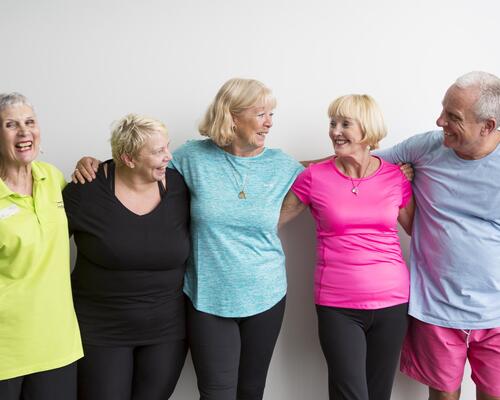


World Health Organization says physical inactivity is causing global health threat


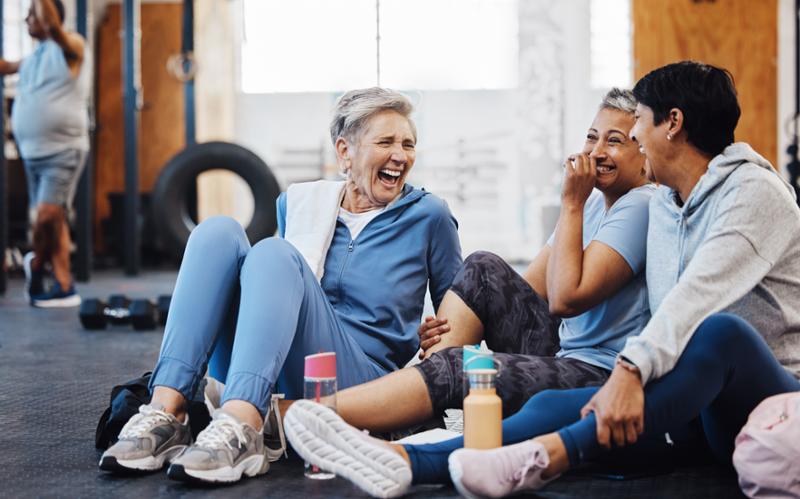
Thirty one per cent of adults worldwide – approximately 1.8 billion people – did not meet the recommended levels of physical activity in 2022, according to the World Health Organization, with 69 per cent meeting the guidelines.
This new data comes from a study carried out by WHO, along with academic colleagues and has been published in The Lancet Global Health journal.
It shows that physical activity globally is on a downward trend, with inactivity rising by 5 per cent between 2010 and 2022 and projected to increase to 35 per cent by 2030. This will miss the target, set by the World Health Assembly, to reduce physical inactivity to 15 per cent between 2010 and 2030, however, some parts of the world are achieving improvements, meaning these averages hide some good news.
Almost half the world’s countries have made improvements over the past decade and 22 look to be on track to reach the global target of reducing inactivity by 15 per cent by 2030.
In high-income Western countries physical activity levels are increasing and 12 European high-income countries, including the UK, are considered to be on track to meet the 2030 target.
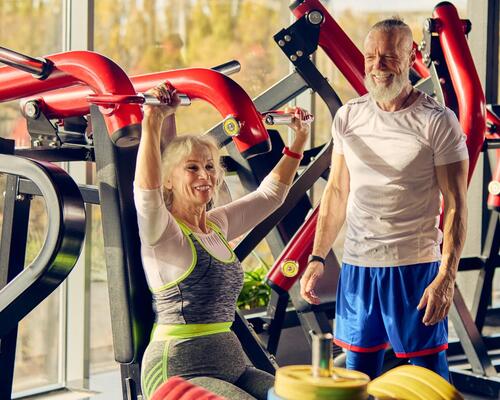
Evidence shows the greatest health benefits can be gained by increasing activity among those with the lowest activity levels and WHO calls for a greater focus on interventions targeted at women and older adults.
"These new findings highlight a lost opportunity to reduce cancer, heart disease and improve mental wellbeing in some populations through increased physical activity," said Dr Tedros Adhanom Ghebreyesus, WHO director-general.
"We must renew our commitments to increasing levels of physical activity and prioritising bold action, including strengthened policies and increased funding, to reverse this worrying trend.”
In light of these findings, WHO is calling on all countries to strengthen their policy implementation and to promote and enable physical activity through grassroots and community sport and active recreation, as well as active transport, among other measures.
WHO says collective efforts, based on partnerships between government and non-governmental stakeholders and increased investments in innovative approaches will be needed to reach the least active people and to reduce inequalities to access.
“Promoting physical activity goes beyond promoting individual lifestyle choice, it will require a whole-of-society approach and creating environments that make it easier and safer for everyone to be more active in ways they enjoy to reap the many health benefits of regular physical activity,” said Dr Fiona Bull, head of the WHO Unit for Physical Activity.
The highest rates of physical inactivity were observed in the high-income Asia Pacific region (48 per cent) and South Asia (45 per cent), while the United Arab Emirates exceeded 50 per cent of the population with levels of inactivity. High-income Western countries did better at 28 per cent and Oceania was the most active, at 14 per cent.
Physical inactivity is still more common among women than men: 34 per cent compared to 29 per cent. In some countries, including Afghanistan, Pakistan, Cuba, Guyana, Iran and the Bahamas, this difference is as much as 20 per cent.
People over 60 are less active than other adults, underscoring the importance of promoting physical activity for older people.
“Physical inactivity is a silent threat to global health, contributing significantly to the burden of chronic diseases,” said Dr Rüdiger Krech, director of health promotion at WHO. “We need to find innovative ways to motivate people to be more active, considering factors such as age, environment and cultural background.
“By making physical activity accessible, affordable and enjoyable for all, we can significantly reduce the risk of noncommunicable diseases and create a population that's healthier and more productive.”
WHO recommends that adults undertake 150 minutes of moderate-intensity, or 75 minutes of vigorous-intensity physical activity, or the equivalent, per week.
As the UK heads towards a General Election, the physical activity community has joined forces to ask the new government to prioritise physical activity in its Take the Lead campaign.

Sports Coach
Sports Coach
Swim Teacher
Party Leader
Group Exercise Instructor - Aqua
Membership Advisor
Swim Teacher
Customer Service Advisor
Swim Teacher


Activity and Wellbeing Instructor
Operations Manager - Brentwood School Enterprises
Fitness Manager
Swim Teacher
GP Exercise Referral Instructor
Duty Manager
Community Activator Coach Apprentice



Company profile
Directory
Featured Supplier

Property & Tenders
Company: Lee Valley Regional Park Authority
Company: Newmark
Company: EiA Real Estate
Company: Savills
Company: University of Oxford